


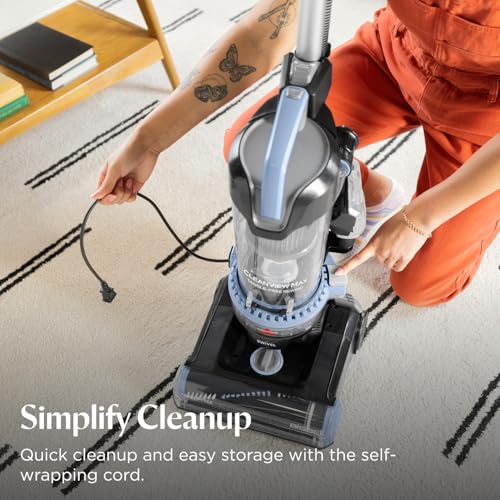

- Power Source: Corded + 25' cord
- Dust Bin: 1L
- HEPA Filter: No
- Multi-Surface: Yes
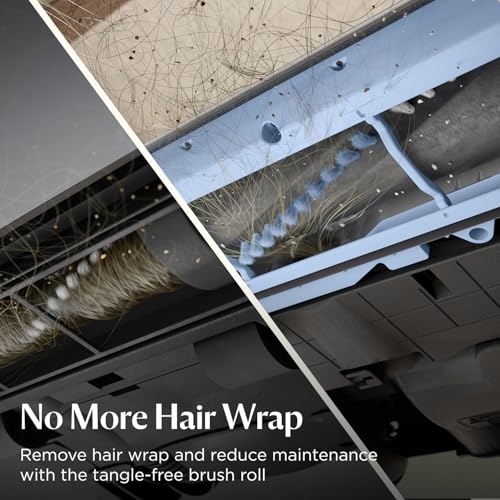
- Anti-Tangle Brush Roll: Yes
- Weight: 17.9 lbs
- Ideal For: Pet hair





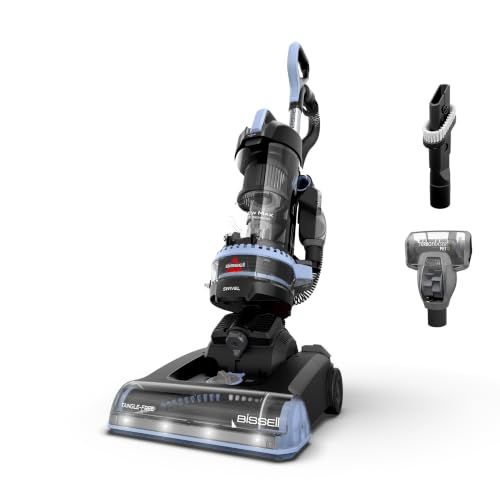
Bissell CleanView Max Rewind Upright Vacuum
Overview and Real-World Performance

The Bissell CleanView Max Rewind Upright Vacuum is designed for shoppers who want the familiar power and coverage of a full-size upright without paying premium-brand prices. Its central promise is simple: strong everyday pickup, straightforward controls, and the convenience of an automatic cord rewind so you can finish a cleaning session without wrapping the cord by hand. In day-to-day use, this vacuum tends to feel purpose-built for routine messes like tracked-in grit, pet hair tumbleweeds, cereal spills, and the constant dust that collects along baseboards and under furniture edges.
On hard floors, the vacuum’s ability to grab fine debris matters as much as raw suction. With many uprights, large airflow can sometimes scatter lighter particles before they get pulled in, especially on slick surfaces. The CleanView Max Rewind generally aims to balance airflow and intake design so that it can collect debris efficiently, particularly when you’re moving at a steady pace rather than rushing. For households with mixed surfaces, the transition from room to room is where an upright can either feel smooth or frustrating. This model is built to be a “grab-and-go” option that doesn’t require a lot of fiddling, which is exactly what many people want for frequent touch-ups.
Carpet performance is often the deciding factor for an upright, and it’s also where expectations should be realistic. The CleanView Max Rewind is typically at its best on low- to medium-pile carpeting, where you want a combination of agitation and airflow to lift embedded dust and hair. If your home has very plush, thick carpet throughout, you may want to pay extra attention to how the vacuum head moves on that surface and whether it feels like it’s pulling too strongly or bogging down. Most households with standard carpeting will likely find it capable for weekly cleaning, while very deep-pile carpet owners may need to be more selective and look for models known for high-pile compatibility.
What makes this vacuum especially appealing for everyday owners is that it is meant to be easy to live with. Features like a retractable cord reduce end-of-cleaning hassle, and the upright format generally makes it straightforward to do quick passes across high-traffic zones. The overall experience is less about specialty detailing and more about making routine cleaning feel manageable and consistent.
Key Factors to Consider Before Buying
Before purchasing the Bissell CleanView Max Rewind Upright Vacuum, the most important factor to consider is your floor plan and flooring types. If you primarily have hard floors with a few area rugs, you’ll want a vacuum that can pick up fine dust without pushing it around and that can glide easily without feeling clumsy. If your home is mostly carpeted, you’ll care more about how well it lifts debris from the pile and whether it maintains performance across an entire room rather than fading as the dust cup fills. Your layout matters, too: a smaller home may reward convenience features like quick storage and cord rewind, while a larger home amplifies the value of easy maneuvering, wide cleaning paths, and less annoying setup.
The second most important factor is hair and debris load, especially if you have pets or long hair in the household. Pet owners should think beyond “can it pick up hair” and instead focus on how hair interacts with the brush area over time. A vacuum can perform well on day one but require frequent attention if hair wraps around components. If you expect daily or near-daily use, ease of maintenance becomes a priority, not a nice-to-have. You should also consider whether you frequently deal with larger particles like litter or kibble, because that can highlight differences in intake design and how readily the vacuum clogs.
Another major consideration is filtration and dust handling. People with allergies or sensitivity to dust should pay attention to how sealed the airflow path feels during emptying and whether the vacuum keeps fine particles contained during normal operation. Bagless designs can be convenient, but they can also be messier to empty compared to bagged vacuums, particularly if you empty over an indoor trash can. In this category, what matters most is not just filtration on paper, but the lived experience of emptying the cup without creating a dust cloud.
Weight and maneuverability are also worth weighing carefully. Uprights can be excellent for large floor areas, but stairs, tight corners, and furniture-dense rooms can expose their weaknesses. If you have multiple floors, you should consider how frequently you will carry the vacuum up and down stairs. If your home has lots of chair legs, narrow pathways, or low-clearance furniture, the ability to steer and reach awkward spaces becomes more important than a slightly wider cleaning path.
Convenience features can tip the scale once the essentials are met. The cord rewind feature is genuinely valuable if you vacuum frequently and dislike cord management. Tool storage and the ability to switch quickly to above-floor cleaning can matter if you regularly vacuum upholstery, baseboards, ceiling corners, or car interiors. Noise level is another practical detail; if you clean early in the morning, have nap schedules, or share walls with neighbors, how loud an upright feels in real life can be as important as raw cleaning power.
Finally, think about long-term costs and durability. Replacement filters, belts, and general upkeep can affect the true cost of ownership. The most important questions here are whether the vacuum is simple to maintain, whether parts are readily available, and whether routine tasks like cleaning the brush area feel manageable. A vacuum that performs well but is a chore to maintain can end up used less often, which undermines the whole purchase.
Common Questions
Does the cord rewind feature really make a difference?
Yes, it can. If you vacuum often, the end-of-session routine matters. Automatic cord rewind saves time and reduces the annoyance of wrapping and unwrapping the cord, which can make you more likely to do quick cleanups rather than postponing them.
Is this vacuum a good choice for pet hair?
It can be a solid option for routine pet hair pickup on hard floors and low- to medium-pile carpets, especially when used consistently. If your pets shed heavily or you have long hair in the household, plan for regular maintenance around the brush area and empty the dust cup before it gets overly packed.
How messy is it to empty the dust cup?
Like many bagless uprights, emptying can be tidy if you do it frequently and empty directly into an outdoor bin or a deep trash can. If you let the cup overfill, debris can compact, making it more likely that dust will puff out when you dump it.
Will it work well on thick, plush carpet?
It may work, but plush carpet is where some uprights feel harder to push and less consistent. If your home is mostly high-pile carpet, you should verify that the vacuum head moves comfortably and maintains pickup without feeling like it’s sticking or straining.
Is it suitable for stairs and above-floor cleaning?
It can handle above-floor tasks with the right attachments and technique, but it is still an upright vacuum, so it won’t feel as effortless as a dedicated canister or lightweight stick vacuum for stairs. If stairs are a major part of your routine, consider how often you’ll carry it and how convenient the hose and tools feel in practice.
In summary, the Bissell CleanView Max Rewind Upright Vacuum is a practical choice for households that want dependable everyday cleaning and appreciate the real convenience of cord rewind. The most important purchase considerations are your flooring type, how much hair and debris you deal with, and how easy the vacuum is to maintain. If those align with your home and habits, it can be an easy-to-live-with upright that keeps high-traffic areas looking consistently clean.