

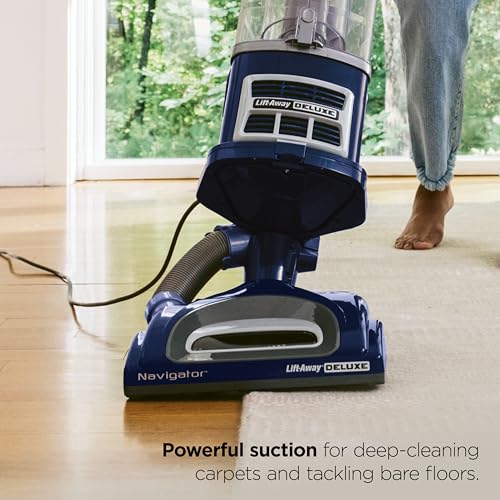
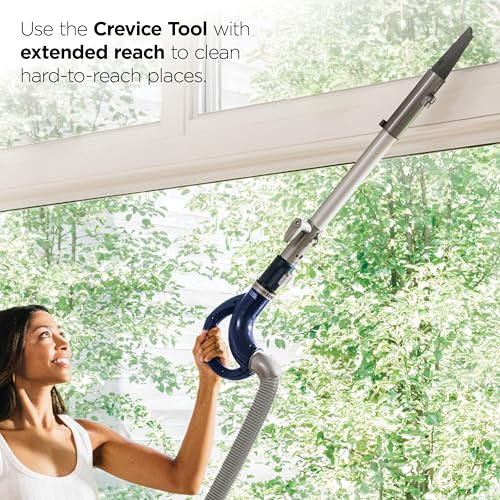




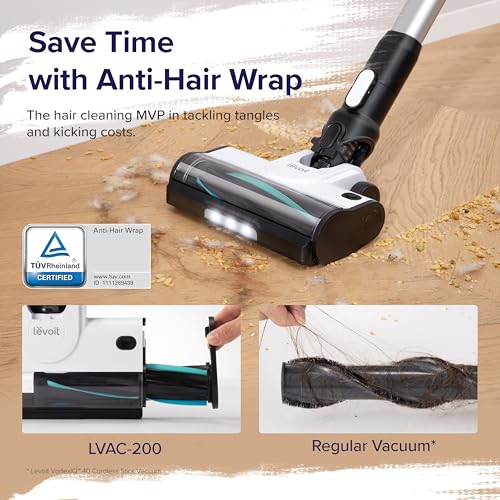


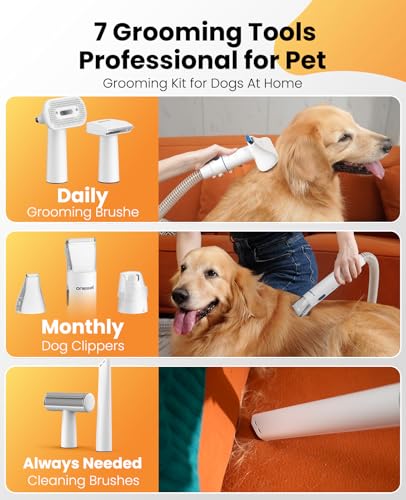














We also considered 10 others:




Our Top Choice
Compare Features


The order above is not editorial opinion, and it is not paid placement. It comes from what shoppers across our network actually do - which vacuums they compare, and which they ultimately buy. We re-rank as new data comes in, so the long-term favorites have to keep earning their spot against new entrants. The full method, including how we make money.
Vacuums Buyer's Guide
Vacuum shopping is really a tradeoff between cleaning architecture and daily friction: the right choice depends on carpet pile, hard-floor debris, pet hair, stairs, storage, and whether you need deep cleaning or quick maintenance. The sharpest checks are brush-roll/floor compatibility, filtration and clog resistance for fine dust or hair, and whether cordless runtime or robot autonomy will actually cover your space.
Performance
Strong suction and overall cleaning performance determine how reliably a vacuum pulls dust, hair, crumbs, and larger debris from your floors instead of just pushing them around. Look for evidence of consistent pickup on the surfaces you actually clean, such as carpet, hard floors, rugs, and along edges, and be cautious of vacuums that advertise high power but struggle with airflow, clogging, or maintaining suction as the bin fills.
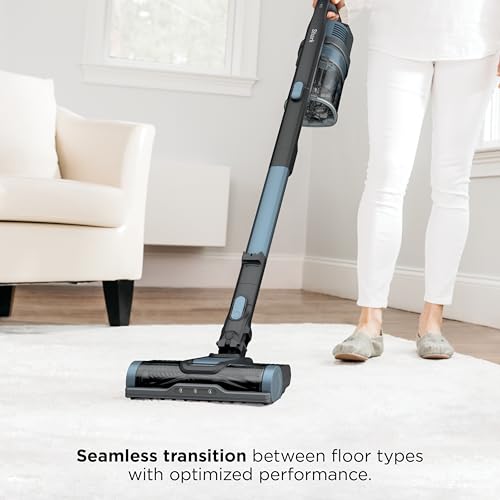
For performance, do not judge by “strong suction” alone: match the vacuum head to your floors and debris. For carpet, look for an actively driven brush roll, height adjustment or strong agitation, and good hair pickup without constant wrapping; for hard floors, look for a soft roller or brush shutoff so it does not scatter litter, crumbs, or grit. If you have pets or allergies, prioritize sealed filtration and easy access to clogs, because fine hair, dust, and litter are common failure points. Owner feedback supports this: buyers most often praise models that pull fine pet hair, dust, crumbs, litter, and debris from carpets, rugs, hard floors, tile, wood, and textured surfaces, and carpet-cleaning units earn especially strong praise when they make dirty carpets look brighter or renewed.
Usability
You’ll use a vacuum more often if it’s easy to set up, maneuver, empty, and clean, so pay attention to weight, handle comfort, cord length or battery convenience, attachment changes, and how well it reaches under furniture or into tight spaces. Look for straightforward maintenance, including washable or easy-to-replace filters, simple brush-roll access for hair removal, and bins or bags that empty without making a mess. Also watch for noise level, awkward assembly, finicky controls, or “self-cleaning” features that still require regular hands-on upkeep.
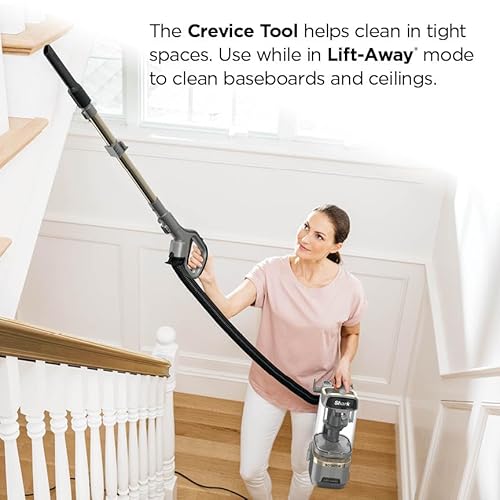
For usability, choose the vacuum type around the job you will actually repeat: upright or canister for whole-home deep cleaning, cordless stick for frequent pickups and stairs, handheld for cars and counters, robot for routine floor maintenance, and carpet washer only if you are prepared to fill, empty, and rinse tanks. Check how the bin or bag empties, whether filters must dry for a full day, how easily the brush roll opens for hair removal, and whether the hose/tools reach corners, upholstery, stairs, and baseboards without awkward disassembly. Owner sentiment backs this focus on low-friction use: buyers repeatedly appreciate models that are easy to set up, fill, empty, rinse, store, and grab for small messes, and robot-style options are valued when they handle routine sweeping with minimal oversight.
Build
A vacuum’s build quality affects how well it holds up to frequent use, bumps, full bins, and repeated attachment changes. Look for solid-feeling materials, tight-fitting parts, stable wheels or bases, and latches, hoses, and handles that don’t feel flimsy. Be cautious with units that wobble, have loose seams, arrive in poor renewed condition, or show early signs of cracking, rattling, or unreliable operation.
For build quality, inspect the parts that fail first in real vacuum use: bin latches, hose cuffs, wand locks, brush-roll doors, wheels, swivel joints, tank seals, and battery connections. Prefer models with replaceable filters, belts, brush rolls, batteries, bags, and nozzles; avoid designs where a cracked latch, clogged hose, or worn battery makes the whole machine disposable. Also check onboard tool storage, because loose attachments are easy to lose and reduce long-term usefulness. Owner feedback aligns with this: shoppers describe some vacuums as durable, well-made, dependable upgrades, and they especially value compact tools that hold up to regular cleanup, pet-home designs with onboard tools, and higher-quality machines that feel more capable than older units they replaced.
Handling
Handling matters because even a powerful vacuum can be frustrating if it feels too heavy, bulky, or awkward to move around your home. Look for a size and weight you can comfortably push, carry, steer around furniture, and lift for stairs or overhead cleaning, and consider whether features like compact storage or a handheld mode fit your space and routine. Watch out for designs that are easy on open floors but cumbersome in tight corners, on stairs, or when stored between uses.
For handling, focus on where the weight sits, not just the listed weight. A top-heavy cordless stick can fatigue wrists, a heavy upright can be difficult on stairs, and a canister should roll without tipping or catching on corners. Check swivel steering, head height under furniture, stair carry points, cord or hose reach, and whether the vacuum can clean edges, mats, seats, crevices, desks, and tight spaces without fighting you. Owner sentiment strongly supports prioritizing maneuverability: buyers consistently praise lightweight stick, cordless, handheld, and canister designs for being easy to carry around apartments, stairs, furniture, cars, and hard-to-reach areas, especially for people replacing heavier traditional vacuums.
Value
A vacuum’s value is about whether its cleaning performance, durability, features, and ease of maintenance justify what you pay. Look for the right balance for your home: strong pickup on your floor types, useful attachments, reliable construction, and affordable replacement parts or filters. Watch out for paying extra for features you will not use, or choosing the cheapest option if it struggles with your messes or wears out quickly.
For value, compare the vacuum’s total useful life, not just the upfront deal. A good value is the least expensive machine that reliably covers your floor mix, debris type, storage limits, and maintenance tolerance; factor in replacement bags, filters, belts, brush rolls, batteries, and whether it can serve as your primary vacuum or only a secondary quick-clean tool. Avoid paying for extras that do not solve your actual problems, but also avoid ultra-basic models if they lack brush agitation, filtration, parts availability, or the capacity needed for pets and whole-home cleaning. Owner feedback supports this practical view: buyers often feel strong-performing vacuums, compact handhelds, starter units, and secondary cleaners deliver better cleaning usefulness than expected for the money, with some results compared favorably to more expensive models.
Battery
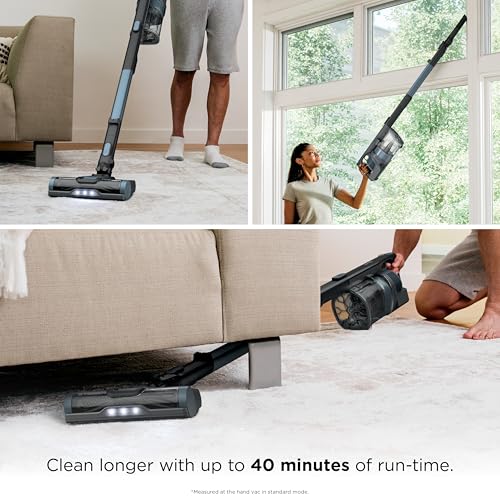
Battery life determines how much you can clean before a cordless vacuum needs to recharge, so match the runtime to your home size and the kinds of messes you handle. Look for clear runtime estimates for different power modes, since max suction can drain the battery much faster, and consider charging time or whether the battery is removable if you need longer cleaning sessions.
For battery-powered vacuums, treat runtime claims skeptically unless they specify the power mode and tool used. Pet hair, carpet, turbo mode, motorized heads, and larger homes drain batteries much faster than light hard-floor cleaning, so look for removable batteries, a spare-battery option, clear charge indicators, reasonable recharge time, and enough high-power runtime to finish your real route. For robots, check whether the unit can recharge and resume; for cordless sticks, avoid nonreplaceable batteries if you expect years of daily use. Owner sentiment matches this split: many buyers praise cordless models with enough battery for multi-room or whole-home cleaning, especially two-battery setups, while negative feedback centers on turbo or high-power modes ending sessions quickly and forcing a recharge before bigger jobs are done.
5,700+ shoppers have used Buyer's Guide in the last week to help find the best Vacuums.

Helping millions of users make smarter purchases online.


