











We also considered 10 others:






Our Top Choice
Compare Features


The order above is not editorial opinion, and it is not paid placement. It comes from what shoppers across our network actually do - which vacuums for thick carpet they compare, and which they ultimately buy. We re-rank as new data comes in, so the long-term favorites have to keep earning their spot against new entrants. The full method, including how we make money.
Vacuums for Thick Carpet Buyer's Guide
Thick carpet creates a difficult tradeoff: the vacuum needs enough agitation and airflow to pull debris from deep pile, but it also has to remain pushable instead of sealing itself to the floor. The sharpest concerns are cleaner-head height, brush-roll power, and long-term durability under the extra resistance of plush fibers.
Performance
Strong suction and overall cleaning performance determine how reliably a vacuum pulls dust, hair, crumbs, and larger debris from your floors instead of just pushing them around. Look for evidence of consistent pickup on the surfaces you actually clean, such as carpet, hard floors, rugs, and along edges, and be cautious of vacuums that advertise high power but struggle with airflow, clogging, or maintaining suction as the bin fills.
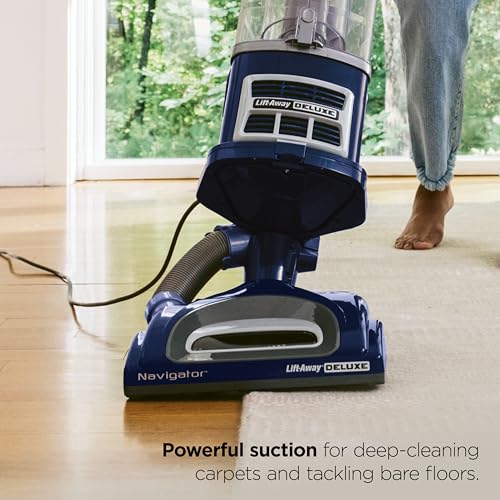
For thick carpet, prioritize adjustable cleaner-head height, strong airflow at the nozzle, and a powered brush roll that can agitate deep pile without bogging down or sealing itself to the carpet. Avoid vacuums with fixed low-clearance heads, weak brush motors, or suction-only floor tools, because they can be hard to push and may only skim the carpet surface. Owner feedback supports the importance of raw cleaning power: buyers repeatedly praise strong suction for pulling dust, debris, and fine pet hair from carpet, and deep-cleaning models are especially noted for making dirty carpet look brighter or nearly new again.
Surfaces
The surfaces you clean most should drive your choice, because a vacuum that excels on carpet may scatter debris on hard floors or feel awkward on stairs and in a car. Look for the right combination of brush-roll control, suction, attachments, and maneuverability for your floor types, and watch out for designs that are too bulky for tight spaces or too aggressive for delicate hard floors.
If your home has thick carpet plus hard floors or area rugs, look for a vacuum with height adjustment, brush-roll shutoff or soft-floor modes, and a head that will not chew rug edges or stall on high pile. Thick carpet needs aggressive agitation, but bare floors and delicate rugs need controlled suction and brush behavior, so a one-mode vacuum can be frustrating. Owner sentiment suggests many shoppers value machines that transition well across bare floors, textured surfaces, area rugs, runners, rugs, tile, and carpet, but for this niche you should verify that “multi-surface” includes high-pile or plush carpet rather than only low-profile rugs.
Usability
You’ll use a vacuum more often if it’s easy to set up, maneuver, empty, and clean, so pay attention to weight, handle comfort, cord length or battery convenience, attachment changes, and how well it reaches under furniture or into tight spaces. Look for straightforward maintenance, including washable or easy-to-replace filters, simple brush-roll access for hair removal, and bins or bags that empty without making a mess. Also watch for noise level, awkward assembly, finicky controls, or “self-cleaning” features that still require regular hands-on upkeep.
For thick carpet, ease of use is not just about weight: check whether the vacuum remains pushable when the brush roll is engaged and the head is set low enough to clean. A very lightweight stick can be convenient, but if the head suctions itself to plush carpet, lacks height adjustment, or has short battery life on max power, it may be tiring for whole-room carpet cleaning. Owners often like lightweight, straightforward designs that are easy to set up, empty, rinse, carry, and use on stairs, which is helpful—but thick-carpet shoppers should balance portability against sustained suction and brush-roll strength.
Handling
Handling matters because even a powerful vacuum can be frustrating if it feels too heavy, bulky, or awkward to move around your home. Look for a size and weight you can comfortably push, carry, steer around furniture, and lift for stairs or overhead cleaning, and consider whether features like compact storage or a handheld mode fit your space and routine. Watch out for designs that are easy on open floors but cumbersome in tight corners, on stairs, or when stored between uses.
Choose a vacuum that rolls smoothly on plush pile, has large enough wheels, a swivel or low-profile head for furniture, and preferably height settings that reduce drag without lifting the brush too far from the fibers. Thick carpet can make even a powerful vacuum feel stuck, so handling failures often show up as wrist strain, head chatter, belt stress, or repeated stalling. Owner feedback frequently praises lightweight, compact, cordless, and easy-steering designs for apartments, stairs, older users, and quick cleanups, but in this category the key test is whether that easy handling remains true on dense carpet—not just hard floors.
Value
A vacuum’s value is about whether its cleaning performance, durability, features, and ease of maintenance justify what you pay. Look for the right balance for your home: strong pickup on your floor types, useful attachments, reliable construction, and affordable replacement parts or filters. Watch out for paying extra for features you will not use, or choosing the cheapest option if it struggles with your messes or wears out quickly.
The best value for thick carpet is a vacuum that has the carpet-specific hardware to avoid replacement regret: adjustable height, a durable powered brush roll, good airflow, accessible filters, and parts that can be cleaned when fibers and hair build up. A low-cost vacuum is not a bargain if it cannot move on plush pile, overheats, burns belts, or needs several passes to lift embedded debris. Owners often describe many vacuums as strong values that clean better than expected for the price and can feel comparable to more expensive models, but thick-carpet buyers should judge value by deep-pile performance and durability, not suction claims alone.
Build
A vacuum’s build quality affects how well it holds up to frequent use, bumps, full bins, and repeated attachment changes. Look for solid-feeling materials, tight-fitting parts, stable wheels or bases, and latches, hoses, and handles that don’t feel flimsy. Be cautious with units that wobble, have loose seams, arrive in poor renewed condition, or show early signs of cracking, rattling, or unreliable operation.
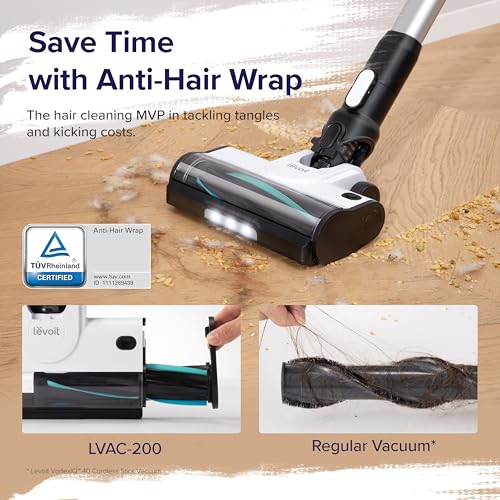
For thick carpet, build quality matters most around the brush-roll assembly, belt or drive system, hose joints, height-adjustment mechanism, wheels, and dust-path seals, because dense fibers create more resistance than flat flooring. Look for easy access to remove wrapped hair and carpet fibers, washable or replaceable filters, and a head that does not flex, detach, or lose contact under load. Owner sentiment includes praise for dependable, well-made everyday cleaners with strong debris and pet-hair pickup, including models that resist brush-roll clogging, but there are also warnings about early mechanical problems, parts not staying attached, and brush-roll failures—exactly the issues thick carpet can expose faster.
1,000,000+ shoppers use Buyer's Guide every week to find the best products and services online.

Helping millions of users make smarter purchases online.


