




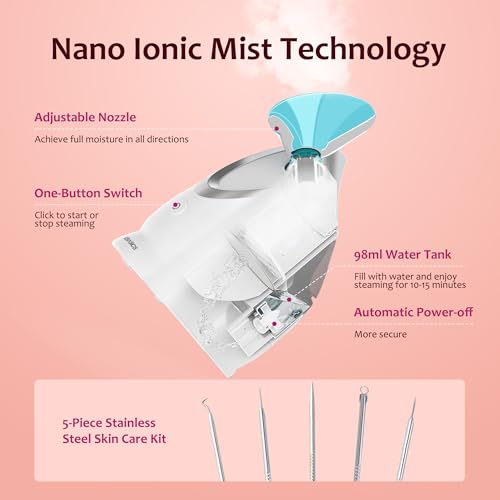


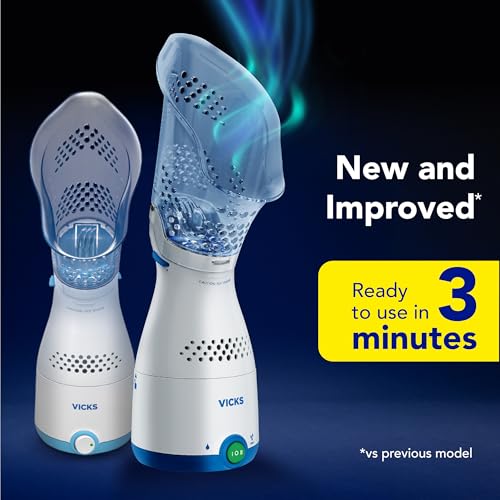

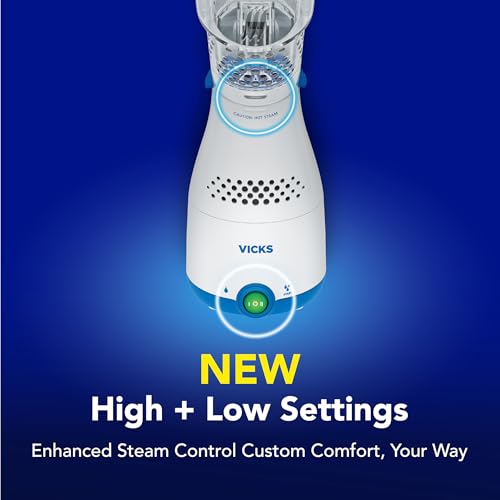


We also considered 10 others:


Our Top Choice
The order above is not editorial opinion, and it is not paid placement. It comes from what shoppers across our network actually do - which steam inhalers for sinus relief they compare, and which they ultimately buy. We re-rank as new data comes in, so the long-term favorites have to keep earning their spot against new entrants. The full method, including how we make money.
Steam Inhalers for Sinus Relief Buyer's Guide
Steam inhalers for sinus relief have to balance enough warm vapor to soothe stuffy breathing with tight heat control around the nose, lips, and face. The sharpest buying concerns are whether the unit delivers targeted, consistent steam without scald risk, and whether the water path and mask stay easy to clean through repeated cold-and-allergy use.
Sinus Targeting
For sinus relief, steam needs to reach the nose and upper airway comfortably rather than simply humidifying the room or face. A good design concentrates vapor where it is useful while still allowing you to breathe normally and take breaks. The wrong format can feel pleasant but may not provide the focused session a congested user is actually buying for.
Choose a true personal steam inhaler if sinus relief is the main goal: look for a nose-and-mouth mask or targeted inhalation hood, adjustable venting, and a vapor path that directs warm mist to the breathing passages instead of just surrounding the face. A facial steamer can be useful for skincare prep, but it may waste steam around the face and require careful positioning for congestion use. Owner feedback strongly favors units that produce targeted warm steam for congestion, colds, coughs, allergies, sinus pressure, and opening breathing passages, while skincare-focused models are praised more for pore opening and cleansing prep.
Steam Control
Steam output determines whether a session feels therapeutic or frustrating. Too little vapor may not feel useful, while uncontrolled output can become uncomfortable near delicate facial tissue. Consistency matters because inhalation sessions are short and depend on predictable warmth from start to finish.
Prioritize steady, visible warm mist with adjustable output over the highest possible steam volume. For sinus use, fine consistent vapor is easier to breathe than bursts of very hot steam, and a control vent or flow dial helps adapt sessions for sensitive noses, children under supervision, or severe congestion days. Owners repeatedly praise satisfying steam quantity, generous fine mist, and strong steady output, but reports are mixed when steam timing is inconsistent or when users must manage distance carefully because the vapor feels too hot.
Heat Safety
Steam inhalers operate close to sensitive skin, eyes, and airways, so small differences in temperature control can matter. Warm vapor should feel soothing, not sharp, burning, or difficult to breathe. Safety features also reduce the chance of spills when the unit is used while tired, congested, or coughing.
Treat heat safety as a core feature, not a comfort extra: look for a stable base, cool-touch mask edges, clear fill marks, secure reservoir closure, automatic shutoff or dry-run protection, and instructions that prohibit leaning too close. Avoid designs that require putting your face directly over an open hot-water source or that lack a way to reduce steam intensity. Owner experiences support this caution: many users like fast warm-up and warm comfortable steam, but others report waiting for steam, inconvenient timing, or vapor that feels too hot unless distance is managed carefully.
Easy Cleaning
Steam inhalers handle warm water near the face, so hygiene and repeatability are closely linked. Leftover moisture can create odor or buildup, and hard-to-clean parts make the device less appealing during frequent allergy or cold seasons. A simple routine is especially important because users often reach for these devices when they already feel unwell.
Pick a model you can fill, assemble, use, empty, and rinse while sick, because complicated routines discourage use when congestion is worst. Favor wide openings, removable mask parts, minimal crevices, and a reservoir that can be fully drained and dried; do not add oils, medicated liquids, or inhalants unless the specific design allows them, because residues can clog the steam path and irritate airways. Owner sentiment is very consistent here: buyers value simple filling, quick startup, compact handling, easy disassembly, and easy cleaning after use.
Build Life
A steam inhaler’s weak points are usually the parts exposed to heat, water, and frequent handling. If those parts crack or lose their seal, the device can leak, lose output, or become unsafe to use. Durable construction is especially important for households that expect seasonal or repeated use rather than occasional spa-style sessions.
Inspect the water-contact parts before buying: thicker reservoir plastic, robust hinges or tabs, replaceable masks or cups, and simple mechanical closures are safer bets than thin snap tabs that must be flexed every cleaning cycle. Steam, heat cycling, mineral deposits, and repeated disassembly are hard on small plastic parts, so durability around the tank, cap, hood, and mask connection matters more than cosmetic styling. Owners identify durability as the main watch-out, with reports of brittle plastic tabs, cracked water components, breakage, or units failing after limited use, even though many also describe good build quality when the device holds up.
Session Fit
Steam inhalers are most useful when they are convenient enough to use at the first sign of congestion. Footprint, reservoir size, and warm-up time shape whether the device fits a real routine or stays in storage. The best choice depends on whether the buyer wants focused inhalation, facial skincare overlap, or a portable home remedy station.
Match size and session style to where you will actually use it: bedside and bathroom users often benefit from a compact footprint, quick heat-up, cord placement that keeps the unit stable, and enough reservoir capacity for a short inhalation session without constant refilling. A larger facial hood may feel relaxing for skincare, but a smaller personal mask can be easier to store, aim, and clean for sinus episodes. Owners often appreciate lightweight, compact, fast-starting designs, though size, heating time, and session convenience are situational and can disappoint if expectations do not match the device format.
1,000,000+ shoppers use Buyer's Guide every week to find the best products and services online.

Helping millions of users make smarter purchases online.


