





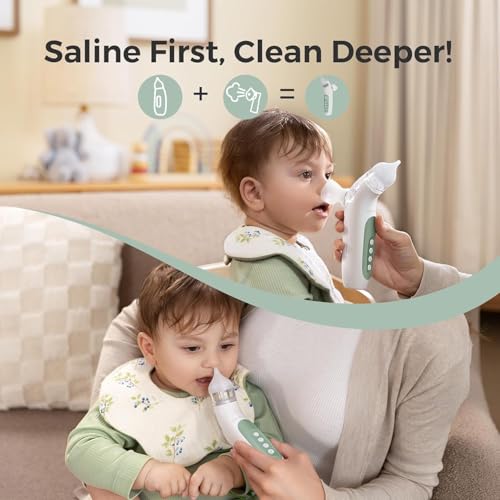


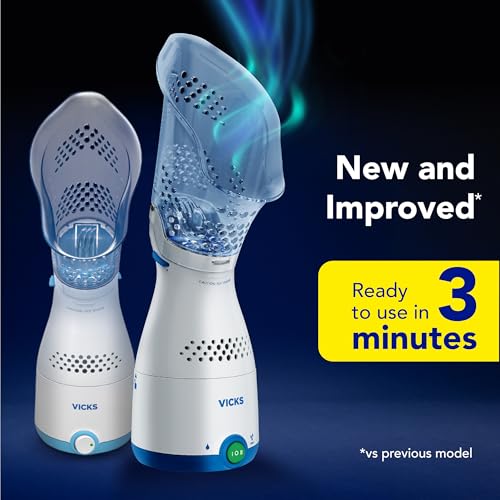

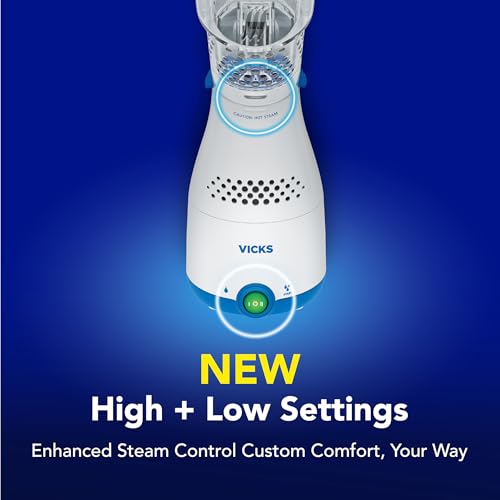


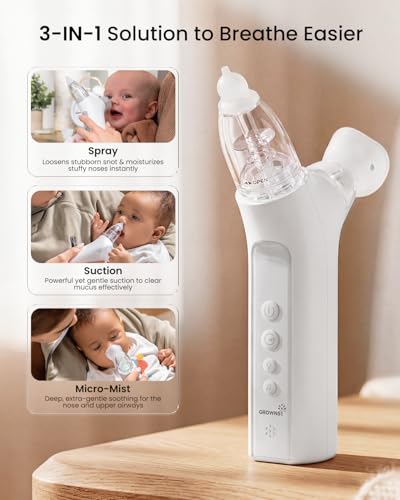





We also considered 10 others:


Our Top Choice
The order above is not editorial opinion, and it is not paid placement. It comes from what shoppers across our network actually do - which nebulizers they compare, and which they ultimately buy. We re-rank as new data comes in, so the long-term favorites have to keep earning their spot against new entrants. The full method, including how we make money.
Nebulizers Buyer's Guide
Nebulizers in this niche can mean very different tools: medication aerosol devices, essential-oil nebulizing diffusers, sinus-rinse systems, or baby nasal aspirators. The key tradeoff is getting enough mist, flow, or suction to actually help without choosing a device that is uncomfortable, hard to sanitize, or incompatible with the liquid or attachment you need.
Use Fit
This category is easy to misbuy because several products use similar language while serving different body areas and liquids. A good pick begins with the correct intended use, then adds the right mask, mouthpiece, nosepiece, oil chamber, saline system, or suction tip for that use.
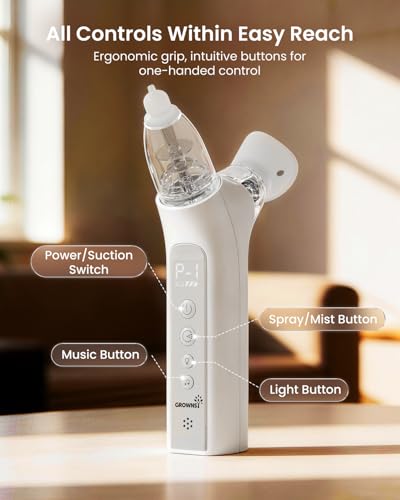
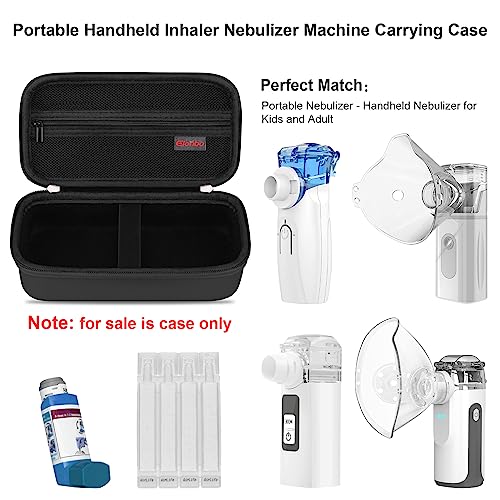
Start by matching the device to the job: a medical nebulizer should be designed for prescribed inhaled medication, an aroma nebulizer should be for essential-oil scenting, a sinus device should handle saline rinsing, and a baby nasal aspirator should be built for infant nasal clearance. Do not treat these as interchangeable; oils, saline, medications, masks, nosepieces, and suction tips have different safety and compatibility requirements. Look for clearly stated compatible liquids, age range, attachment types, and whether the device is meant for lungs, sinuses, room scent, or nasal mucus removal. Owner feedback supports how different these use cases are: buyers praised rich essential-oil scent in one type of device, thorough sinus cleaning in another, and better baby congestion clearing when spray, suction, mist, and extra attachments were included.
Delivery Power
The device has to move the right substance to the right place: aerosol to the airway, saline through the sinus pathway, scent into the room, or mucus out of a small nose. Weak or inconsistent delivery can waste medication or time, while excessive force can make the process unpleasant enough that it is not used.
For medication aerosol, prioritize a consistent fine mist, steady output, low sputtering, and a cup or mesh design that does not leave much liquid unused. For sinus rinsing or nasal aspiration, focus on controllable flow or suction strong enough to move mucus without feeling harsh; adjustable levels matter because adults, children, and congested babies tolerate force differently. Avoid devices that look powerful but have vague output specs, weak suction complaints, or no way to scale intensity down. Owners often reported fast breathing improvement and a more thorough sinus-cleaning feel from powered systems, and many found baby noses were actually cleared during congestion. At the same time, suction feedback was mixed, which makes adjustable, well-matched power more important than simply choosing the strongest-looking option.
Cleaning Ease
Anything that makes mist, rinses sinuses, or removes mucus will accumulate residue. Easy disassembly and drying are not conveniences in this category; they directly affect hygiene, smell, performance, and whether the device remains pleasant to use.
Choose a design that comes apart fully where moisture, medication, saline, mucus, or oils travel, with washable or replaceable cups, tips, masks, tubing, filters, or reservoirs as appropriate. Medical and nasal-use devices need especially careful cleaning and drying after use, because trapped residue can become a hygiene problem; scent devices also need easy access to the oil path so old oils do not contaminate the next use. For saline systems, pre-measured packets or pods can reduce mixing errors, but confirm that replacements are easy to source and that the system still allows proper rinsing and drying. Owners repeatedly valued devices that were straightforward to set up and clean, and some specifically liked pre-measured saline because it removed guesswork. That positive sentiment should be read alongside the practical reality that more attachments can improve usefulness but also add more parts to maintain.
Comfort Fit
A technically effective device can still fail if the user avoids it because the mask leaks, the nosepiece feels wrong, or the sound is stressful. Comfort is especially important for children, congested users, and anyone who needs repeated sessions.
Check the physical interface before prioritizing power: masks should seal without pinching, mouthpieces should be easy to hold, nosepieces should suit the user’s anatomy, and baby tips should be soft, appropriately sized, and not inserted too far. For children, distraction features such as lights or music can help, but they should not make the device harder to clean or louder than the child can tolerate. Noise matters during breathing treatments, bedtime congestion, or infant suctioning, so look for lower-noise operation if the device will be used in the same room as a resting child or sensitive adult. Owner sentiment shows why this dimension can make or break the experience: some found the process easier than expected, while others disliked the nosepiece feel or fit. Buyers also liked lights and music for distracting babies, but noted that higher settings can become clearly noticeable in the room.
Build Value
These devices are exposed to moisture, oils, saline, medication residue, or mucus, so small parts and seals matter over time. Good long-term value comes from reliable output, replaceable wear parts, and a design that does not become expensive or frustrating to keep usable.
Look beyond the initial device and evaluate seals, hinges, reservoirs, tubing connections, replacement filters, cups, tips, pods, and any proprietary consumables. A durable nebulizer-style device should resist leaks, clogging, cracked plastic, loose fittings, fading output, and hard-to-replace parts; attractive materials are a plus only if the fluid path remains practical and cleanable. If the system depends on branded saline pods, filters, tips, or medication cups, factor in long-term availability and replacement frequency. Owners often perceived certain builds as high quality, convenient, compact, or attractive, including glass-and-wood styling and pre-measured systems. However, value and long-term reliability were more divided, so a careful buyer should weigh durability, maintenance parts, and ongoing consumables as heavily as first impressions.
1,000,000+ shoppers use Buyer's Guide every week to find the best products and services online.

Helping millions of users make smarter purchases online.


