











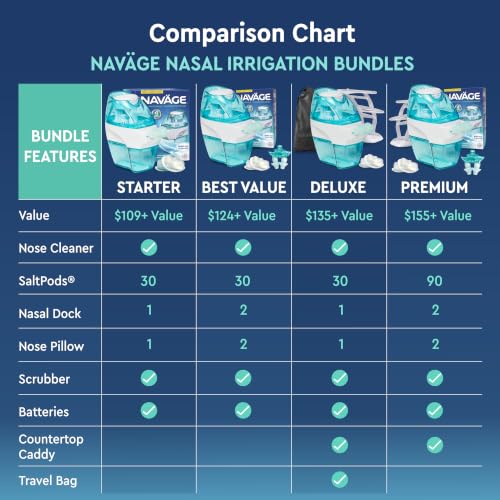


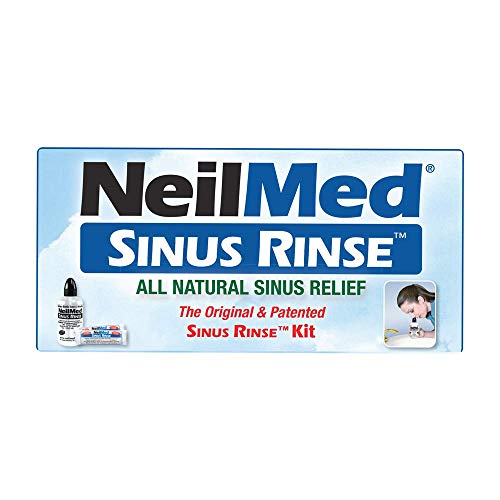
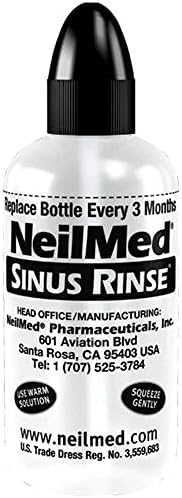


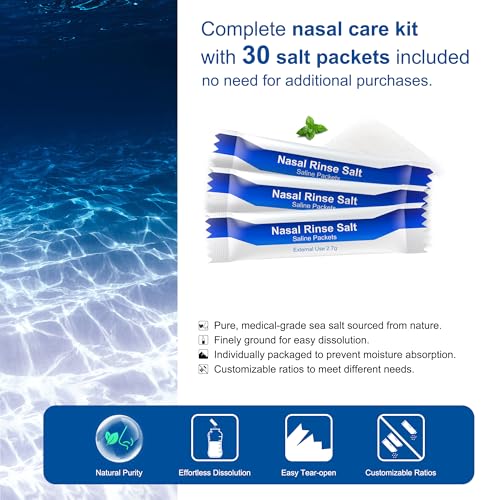

We also considered 10 others:


Our Top Choice
Compare Features


The order above is not editorial opinion, and it is not paid placement. It comes from what shoppers across our network actually do - which sinus cleaners they compare, and which they ultimately buy. We re-rank as new data comes in, so the long-term favorites have to keep earning their spot against new entrants. The full method, including how we make money.
Sinus Cleaners Buyer's Guide
Sinus cleaners live or die on a narrow tradeoff: they need enough saline volume or pressure to move mucus, but not so much force that they irritate swollen nasal tissue. The biggest niche-specific checks are water safety, saline concentration, pressure control, and whether the design is easy enough to clean and repeat during allergy season, colds, CPAP dryness, or chronic congestion.
Relief
Relief is the main reason to choose a nasal irrigator: you want it to loosen mucus, clear congestion, and help you breathe more comfortably without causing irritation. Look for a design that delivers a steady, controllable rinse and reaches the nasal passages effectively, and be wary of options that feel too forceful, awkward to use, or leave you with lingering pressure or discomfort.
For relief, match the format to the blockage: choose a high-volume rinse or controlled-pressure irrigator for thick mucus and sinus pressure, and reserve simple sprays for lighter dryness or quick on-the-go opening. Look for included or clearly compatible buffered saline packets, and avoid any cleaner that encourages plain untreated tap water or an unmeasured salt mix, since irritation or unsafe water can undermine relief. Owner feedback supports this: shoppers often report fast, noticeable breathing improvement during blocked-sinus episodes, allergy flareups, pollen season, colds, and sinus pressure, with many saying regular rinsing leaves nasal passages feeling flushed out and less congested.
Cleansing
Thorough sinus cleaning matters because a nasal irrigator should help rinse away mucus, allergens, dust, and other irritants without leaving you feeling blocked or overly irritated. Look for a steady, comfortable flow that can reach both nasal passages effectively, and watch out for designs that are too weak to clear congestion or too forceful for regular, comfortable cleansing.
For cleansing, prioritize actual nasal irrigation mechanics: a reservoir large enough for a full rinse, a nozzle that seals without jamming into the nostril, and a flow path that can move saline through one side and out the other rather than just misting the front of the nose. If you have chronic sinus issues, allergy buildup, or CPAP-related congestion, a squeeze bottle or powered system with steady flow will usually clean more thoroughly than a light spray; avoid designs with hard-to-wash tubing, trapped water, or unclear disassembly. Owner sentiment backs this distinction, with buyers describing powered suction or steady squeeze-bottle flow as giving a more thorough cleaned-out feeling and helping clear the nasal cavity for better breathing, including at night and during allergy flare-ups.
Usability
A nasal irrigator is only helpful if you can use it comfortably and consistently, so look for one that’s simple to fill, assemble, clean, and operate without a complicated routine. Consider whether the design works for your sink setup, grip strength, and preferred pressure control, and watch out for models with awkward reservoirs, hard-to-clean parts, or settings that feel too limited or too fussy for regular use.
For usability, choose the device you will use correctly when you are congested and tired: squeeze/button bottles reduce the need for a perfect neti-pot head angle, while powered units should have simple controls, obvious fill lines, and easy saline loading. Check that the reservoir is easy to fill with distilled, sterile, or previously boiled water, that the parts are simple to rinse and air-dry, and that the device does not require awkward posture that could send saline into the throat or ears. Owner feedback reinforces this priority, with many buyers praising straightforward setup, daily use, clear instructions, easy cleaning, and designs that feel less fussy than traditional pouring methods.
Build
You want a nasal irrigator that feels solid, seals securely, and works the same way each time, because leaks or inconsistent flow can make rinsing messy and less comfortable. Look for durable materials, tight-fitting caps and tips, simple parts that are easy to clean, and a design that resists dripping or failing under regular use.
For build, inspect the parts that repeatedly contact warm saline: bottle walls should spring back without cracking, buttons and valves should not trap residue, seals should not leak, and powered units should have durable nozzles, tubing, and reservoirs that can be cleaned thoroughly. Be cautious with any cleaner exposed to hot steam or very warm water if the plastic looks thin, because warping, loose seals, and failing parts are common failure modes in this niche; also avoid sharing one nasal tip among family members unless separate tips are included. Owner sentiment is mostly positive on sturdy bottles, convenient pre-measured systems, well-designed parts, and reliable machines, but it also flags durability as a real watch-out where heat-exposed components can warp or fail over time.
Value
A nasal irrigator is a good value when it cleans effectively, is comfortable to use, and holds up to regular cleaning and refilling without feeling flimsy or fussy. Look for the right mix of useful features—such as adjustable pressure, easy-to-clean parts, and compatible tips—without paying extra for functions you won’t use. Watch out for low-cost options that save money upfront but leak, clog, or require frequent replacement parts.
For value, calculate more than the upfront device cost: include saline packets or compatible salt, distilled/sterile water, replacement nozzles, filters or pods if required, and whether proprietary consumables lock you into one system. A low-cost bottle can be the best value for occasional or family use if it is sturdy and easy to sanitize, while a powered irrigator is easier to justify when you need frequent rinsing, steadier pressure, or faster routines for chronic allergies, CPAP congestion, or recurring sinus pressure. Owner feedback aligns with this: buyers often call simple kits reliable and inexpensive, see sturdy bottles as good family purchases, and view rechargeable or powered irrigators as worthwhile upgrades when they improve breathing, headaches, convenience, or pressure consistency, though some note value depends on how much relief they actually get.
Comfort
A nasal irrigator should feel gentle enough that you’ll actually use it consistently, especially if your nose is sensitive, dry, or congested. Look for steady, controllable flow and tips that feel comfortable in the nostril, and be cautious with strong pressure or added scents that may feel irritating rather than soothing.
For comfort, look for buffered isotonic saline, adjustable or gentle pressure, a soft well-shaped nosepiece, and a flow that is steady rather than forceful; if you are sensitive, avoid overly strong pressure, harsh additives, or poorly mixed salt that can burn. Hypertonic saline may help stubborn swelling for some users but can sting more, so it is better when clearly labeled and optional rather than the only choice. Owner sentiment supports this comfort split: many buyers describe gentle, smooth, moisturizing, or soothing rinses and sprays, especially with steady adjustable flow, but feedback also shows comfort is personal because nosepiece fit, pressure sensation, and anatomy can make the same cleaner feel easy for one person and unpleasant for another.
1,000,000+ shoppers use Buyer's Guide every week to find the best products and services online.

Helping millions of users make smarter purchases online.


