













We also considered 10 others:


Our Top Choice
The order above is not editorial opinion, and it is not paid placement. It comes from what shoppers across our network actually do - which solar yard lights they compare, and which they ultimately buy. We re-rank as new data comes in, so the long-term favorites have to keep earning their spot against new entrants. The full method, including how we make money.
Solar Yard Lights Buyer's Guide
Solar yard lights trade wiring for sun-dependent performance, so the best pick is not just the brightest one—it is the one whose light pattern, panel exposure, and battery behavior match the exact spot you need to cover. Shoppers should decide first whether they need soft path marking, decorative accent lighting, directional landscape lighting, or motion-triggered security coverage, then check weather sealing and runtime expectations before buying.
Light Fit
Solar yard lights vary widely in whether they mark an edge, create ambience, spotlight landscaping, or light a driveway. The wrong beam pattern can look pretty but leave steps, gates, or paths underlit, while overly harsh output can spoil a patio or garden setting.
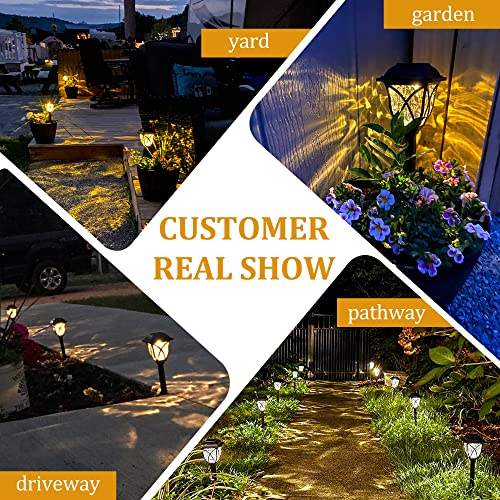
Match the light type to the job: pathway lights should cast a low, even pool of light without glare; spotlights should have aimable heads for trees, signs, or architectural features; motion flood lights should prioritize wide coverage over decorative glow. Look for brightness modes if the same area sometimes needs ambience and sometimes needs visibility, and choose warm white for cozy patios or walkways unless you specifically need a crisper security-style look. Owner feedback strongly supports brightness as a major separator: many buyers praised solar yard lights that made paths, patios, driveways, gardens, and yards easier to see, while several also valued a bright but not harsh glow that improved appearance at night.
Runtime
Solar lights only perform as well as their panel exposure and stored charge allow. Runtime that looks good in one yard may fall short in shade, winter, cloudy weather, or under tree cover, so all-night claims should be judged against your actual sun conditions.
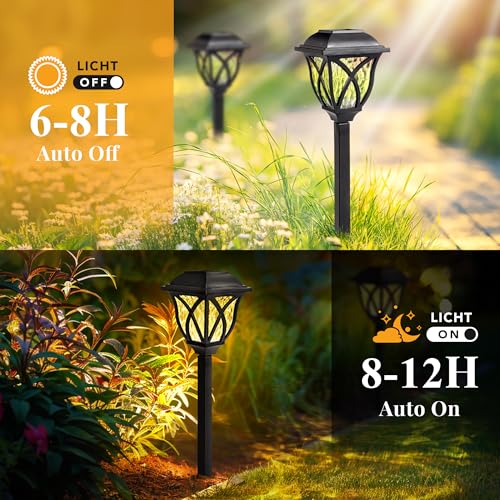
Check panel size and angle, battery capacity, and whether the unit is designed for dusk-to-dawn operation or shorter motion-triggered bursts. Avoid placing panels where fences, eaves, shrubs, parked cars, or seasonal shade block afternoon sun; even good lights can fade early if they do not charge fully. Owner sentiment reflects this tradeoff: buyers praised reliable solar charging, automatic dusk-to-dawn use, fast charging, and lights that stayed bright through the evening or all night, but mixed feedback also noted that runtime can vary by placement and conditions, with some lights fading before morning or losing charge-holding ability over time.
Easy Placement
One appeal of solar yard lighting is avoiding trenching, wiring, transformers, and electrical work. Installation still matters because stakes, adhesive pads, screws, height adjustment, and head angle determine whether the light ends up secure, straight, and useful in the intended location.
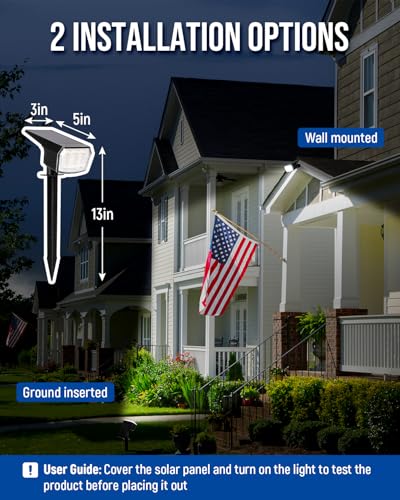
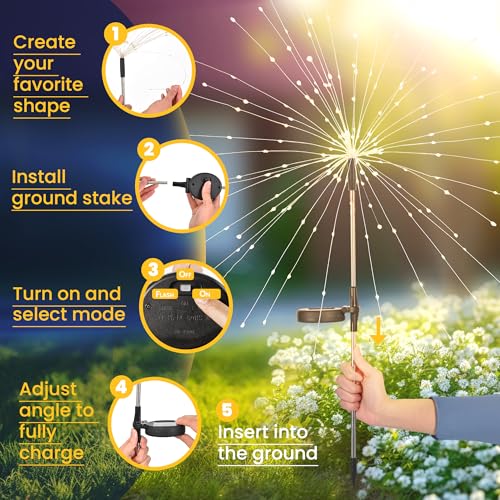
Choose the mounting style for the surface: ground stakes for soil and garden beds, screw mounts for fences and walls, adhesive only for clean sheltered surfaces, and adjustable-height posts where plantings or snow may block low lights. For spot and security lights, prioritize adjustable heads and panels so the light can aim at the target while the panel faces sun; for pathway sets, check spacing and pack count so the walkway is evenly marked instead of spotty. Owner feedback repeatedly supports easy setup as a strength, with buyers liking wire-free placement, quick assembly, push-into-the-ground installation, adhesive or screw mounting options, and adjustable height for coverage and appearance.
Weather Build
Solar yard lights live outside through rain, wind, sun, freezing temperatures, soil moisture, and accidental bumps from yard work. Weak stakes, poor seals, cloudy lenses, or loose battery compartments can turn a good-looking set into a short-lived one.
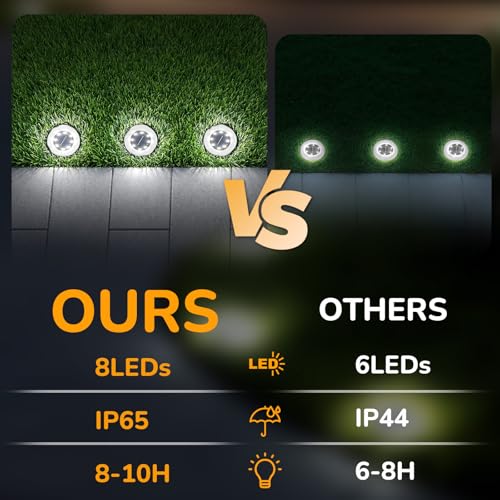
Look for weather-rated construction, tight lens and battery-compartment seals, corrosion-resistant screws, sturdy stakes or wall brackets, and materials that will not crack easily when pushed into firm soil. If the yard sees heavy rain, snow, sprinklers, or freeze-thaw cycles, avoid designs with obvious water traps or flimsy plastic connectors, and consider whether batteries can be accessed for maintenance. Owner sentiment is positive on many sets feeling sturdy, weather-ready, and better built than expected, including reports of holding up in rain, wind, snow, and harsh outdoor conditions; however, mixed feedback warns that some individual lights or parts fail, lose runtime, or stop working after heavy rain.
Smart Controls
Controls determine whether solar yard lights behave like decoration, guidance, or security lighting. Motion sensors, automatic dusk activation, and brightness modes can save battery and make the light more useful, but only if the sensor range and aiming suit the area.
For security or driveway use, choose motion lights with a sensor aimed across the approach path, not directly at open sky or moving branches, and confirm the coverage is wide enough for gates, steps, or parking areas. For landscape and patio use, look for dusk-to-dawn automation and multiple brightness modes rather than a sensor that flashes on unnecessarily; aimable heads are especially useful when one panel must face sun while the beam points elsewhere. Owner feedback backs these features as meaningful: motion detection was praised for triggering quickly and reliably enough to add convenience and a sense of security, while adjustable heads, three lighting modes, and automatic dusk-to-dawn operation were also called out as helpful.
Curb Appeal
Solar yard lights are visible landscape fixtures by day and part of the scene by night, so appearance is not a minor detail. A good set should match the home and yard while providing enough fixtures to create continuous, intentional coverage rather than scattered bright dots.
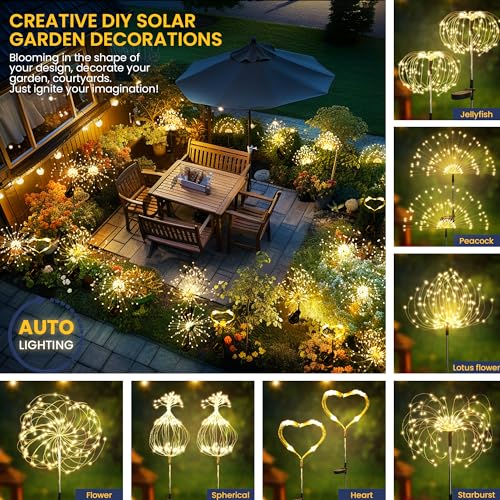
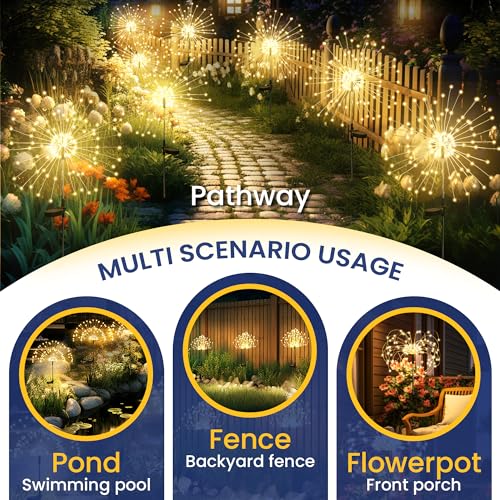
Decide whether you want the lights to disappear into the landscape, look modern along a path, mimic hardwired landscape lighting, or add warm decorative glow to fences, decks, and patios. Check fixture material, lens style, color temperature, height, and pack quantity together: a set that looks good up close may still disappoint if there are not enough lights for the walkway length or if the glow is the wrong tone for the space. Owner sentiment strongly supports appearance and perceived value as buying drivers, with buyers praising warm white glow, sleek or elegant designs, glass-like details, curb-appeal upgrades, large packs, and quality that felt better than expected.
1,000,000+ shoppers use Buyer's Guide every week to find the best products and services online.

Helping millions of users make smarter purchases online.


