










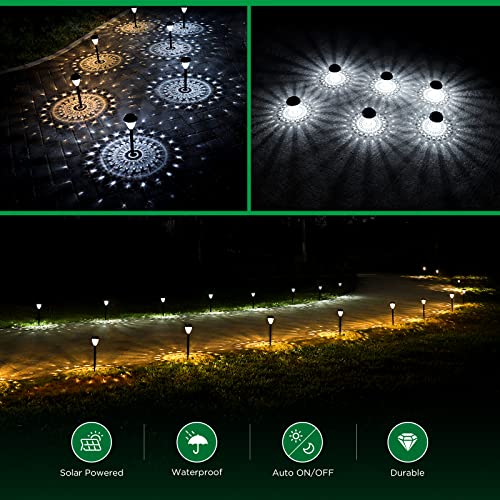
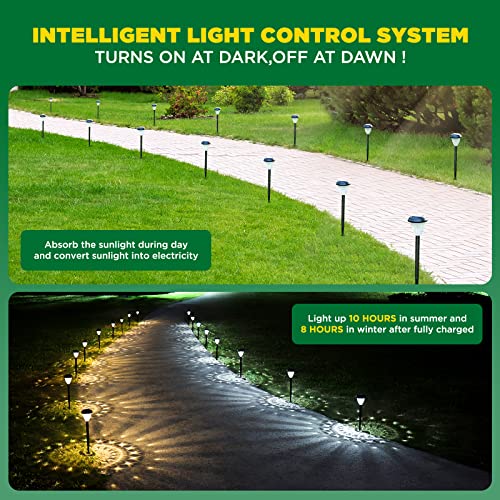


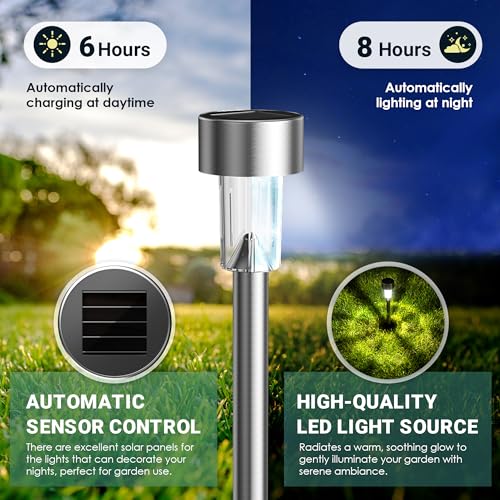




We also considered 10 others:


Our Top Choice
The order above is not editorial opinion, and it is not paid placement. It comes from what shoppers across our network actually do - which solar pathway lights they compare, and which they ultimately buy. We re-rank as new data comes in, so the long-term favorites have to keep earning their spot against new entrants. The full method, including how we make money.
Solar Pathway Lights Buyer's Guide
Solar pathway lights trade the simplicity of no wiring for dependence on sun exposure, small onboard batteries, and lightweight outdoor hardware. The best picks balance enough usable pathway visibility with the decorative glow shoppers want, while avoiding the common failures: dim output, short nightly runtime, broken stakes, and sets that stop working after a few weeks outdoors.
Path Visibility
Pathway lights need to mark edges, steps, and turns without shining into eyes or windows. In this category, more brightness is not always better; beam direction, diffuser design, spacing, and color temperature decide whether the path feels safe or merely decorative.
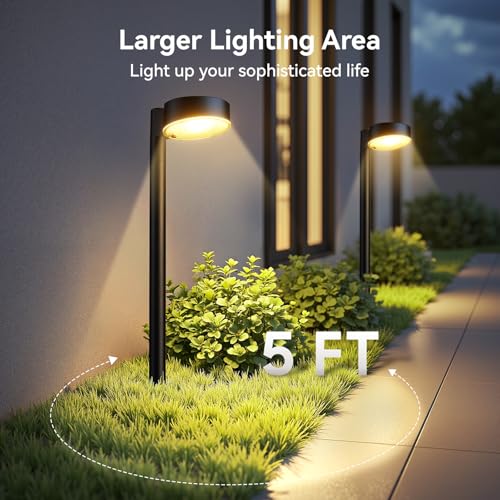
Look for stated lumen output, a downward-facing or shielded beam, and enough fixture height to spread light onto the walking surface rather than just glowing inside the lens. Warm white is usually better for gardens and patios, while brighter clear white can help on long sidewalks; avoid relying on product photos alone because long exposures can make solar lights look much brighter than they are. Owner feedback strongly supports this split: some lights are praised for bright, clear sidewalk illumination without glare, while others are described as pleasantly soft or lower than expected, with brightness depending heavily on placement and expectations.
Curb Appeal
Solar pathway lights are often bought as much for atmosphere as for navigation. The right design should look intentional in daylight and create a nighttime effect that fits the space, whether that is a clean modern border, a warm garden glow, or a flame-like accent.
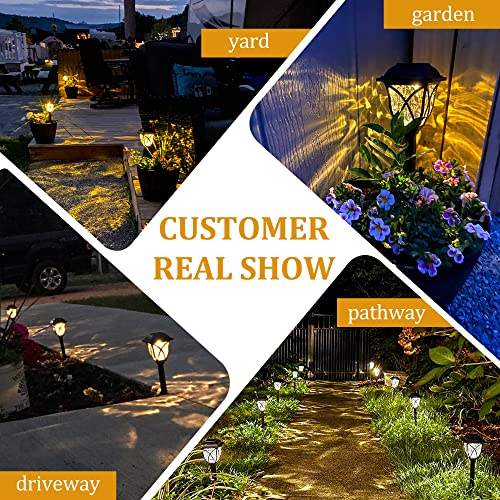
Choose the light style for the job: low-profile bollards for subtle path marking, taller fixtures for garden beds and containers, and flickering flame effects only where ambiance matters more than task lighting. Check real fixture height, lens shape, and whether the LED points downward or outward, because these details determine whether the result looks polished or like scattered dots. Owner sentiment is especially strong here: buyers repeatedly praise warm modern glow, decorative light patterns, realistic flickering flame effects, and high-end-looking fixtures that improve patios, yards, flower pots, walkways, and lakeside areas without feeling gaudy.
Night Runtime
Every solar path light is limited by how much sun its panel can collect during the day and how efficiently it spends that energy at night. Shade from trees, walls, porch roofs, and winter sun angles can turn an otherwise good light into one that fades early.
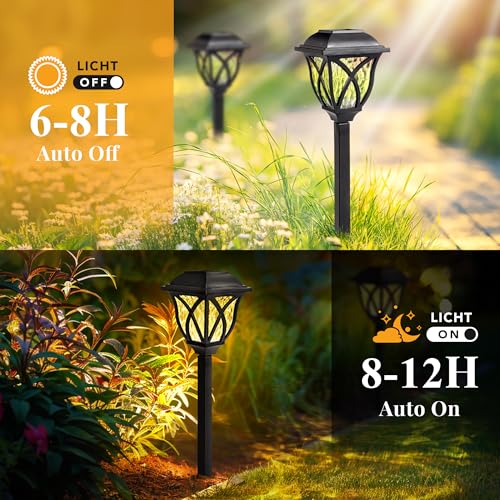
Prioritize lights with replaceable rechargeable batteries, accessible battery compartments, efficient warm LEDs, and solar panels that are not shaded by the fixture head or nearby plants. For dusk-to-dawn expectations, place lights where they receive several hours of direct sun and avoid installing them under dense shrubs, near north-facing walls, or in areas hit by sprinkler overspray and dirt buildup that can cloud the panel. Owner reports match this reality: some lights stay on for several hours or even until sunrise, but others fade early, dim over time, or have lighting life that depends heavily on sun exposure.
Outdoor Durability
Solar pathway lights live outside through rain, heat, cold, UV exposure, soil moisture, and accidental bumps. A good-looking light is a poor buy if water reaches the electronics, the lens yellows quickly, or individual lamps fail long before the rest of the set.
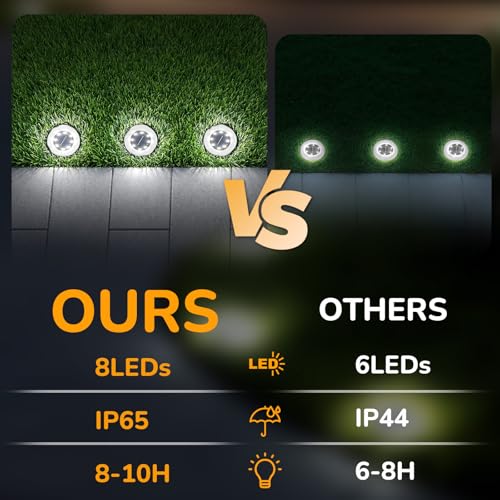
Look for a credible outdoor water-resistance rating, sealed switch and battery areas, corrosion-resistant metal or thick UV-stable plastic, drain paths that do not funnel water into the electronics, and replaceable batteries where possible. Be cautious with very lightweight fixtures for exposed areas, freeze-thaw climates, edging zones, or places where hoses, pets, mowers, and foot traffic can hit them. Owner sentiment makes durability the biggest watch-out: many attractive sets work well at first but lose multiple lights after days, weeks, or a couple of months, while other buyers report uneven longevity, defective parts, early dimming, or mixed results across weather and seasons.
Install Fit
Installation is simple only if the lights match the soil, spacing, and scale of the path. Stakes and poles are the stress points, and undersized fixtures can disappoint even when the light itself works.
Measure the listed above-ground height and head diameter before buying, then map spacing along the path so the lights do not look too small, too sparse, or too crowded. For hard or compacted soil, pre-make pilot holes and avoid forcing plastic stakes; stronger stakes or metal ground spikes are better near walkways, lawns, and high-traffic garden beds. Owners often like the quick, no-wiring setup and easy assembly, but they also flag two practical failures: plastic stakes can break during installation or when bumped, and some fixtures are noticeably smaller than online photos suggest.
Set Value
Solar pathway light value is not just the number of fixtures in the box. A set only pays off if enough lights keep working, look consistent together, and provide the amount of illumination or ambiance the space actually needs.
Compare value by working light over time, not by pack count alone: check whether replacement batteries are standard sizes, whether individual failures can be tolerated in your layout, and whether the finish and brightness are consistent across the whole set. For long paths, buy with spacing in mind and consider keeping a spare or choosing a design that is easy to match later. Owner feedback shows why this matters: shoppers often see solar pathway lights as a cost-effective alternative to wired lighting and an affordable yard upgrade, but perceived value drops sharply when reliability is uneven or when attractive, solid-feeling lights do not keep working.
1,000,000+ shoppers use Buyer's Guide every week to find the best products and services online.

Helping millions of users make smarter purchases online.


