


- Run Time: 231 minutes
- Recharge & Resume: Yes
- Navigation Tech: Smart sensors, floor mapping, no-go zones
- Dust Bin: .3L
- Built-in Mop: Yes
- Floor Types: Hard floors, carpet





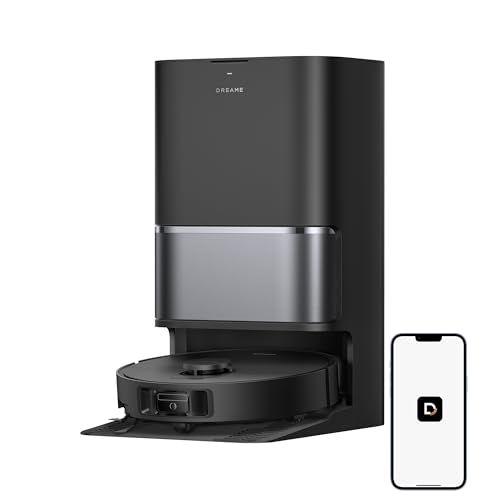
DREAME L40 Ultra Gen 2 Robot Vacuum and Mop
Review: What It’s Like to Live With

The DREAME L40 Ultra Gen 2 is a premium robot vacuum and mop designed for people who want their floors to look consistently clean without thinking about it every day. In practice, it aims to be the kind of device you can set up once, schedule, and then mostly forget—while it handles both dry debris and wet messes in the same routine. If you’re coming from an older robot vacuum that only vacuums, the biggest day-to-day difference is that floors don’t just look “picked up,” they look wiped and refreshed, especially in kitchens, hallways, and around dining areas where residue tends to build up.
As a vacuum, it performs best when you treat it like a maintenance cleaner rather than a once-a-week deep clean. It’s excellent at staying ahead of dust, crumbs, and pet hair, particularly when it’s allowed to run frequently. On hard floors, it tends to leave a satisfying “even finish,” and on rugs it’s effective at pulling out surface debris that would otherwise migrate into corners. In homes with pets, the real value is consistency: routine runs reduce the visible tumbleweeds of fur and keep paw-tracked grit from being ground into flooring.
Mopping is where a combo robot either earns its place or feels like a gimmick, and the L40 Ultra Gen 2 is clearly built to take mopping seriously. It’s best at everyday spills and sticky spots that would otherwise require frequent manual touch-ups—think juice drips, sauce splatter near the stove, or that dull film that appears on tile over time. It won’t replace a true scrub of grout or a hands-and-knees deep clean, but it does meaningfully reduce how often you feel you need to do one. The best results come from using it as part of a routine: let it run often, and your floors stay in “company’s coming” condition more reliably.
Navigation and obstacle handling are crucial for a robot you actually want to trust. The L40 Ultra Gen 2’s mapping and route planning are designed to minimize missed patches and reduce the annoying behavior of bumping into chair legs repeatedly. In typical living spaces, it moves with purpose and tends to remember room boundaries well, which makes multi-room cleaning far more efficient than random-pattern robots. It’s still wise to keep floors reasonably clear—cords, small toys, and very lightweight items can derail any robot—but the overall experience is far less babysitting than earlier generations of hybrid vac-mops.
Noise and timing matter more than people expect. This model is generally easiest to live with when scheduled during times you’re out of the house or in a different part of it. Vacuuming on higher power is more noticeable, while mopping tends to be quieter but still present. If you work from home, scheduling by zones and staggering rooms can make it feel like a background appliance instead of a disruption.
Key Factors to Consider Before Buying
The most important factor is your floor mix and how you expect the robot to behave across it. If most of your home is hard flooring, a vacuum-and-mop combo like the L40 Ultra Gen 2 can deliver a clear upgrade over a vacuum-only robot because you’ll see fewer smudges and less dullness between manual mops. If your home is mostly carpet, the mopping advantage shrinks and you’ll care more about carpet pickup, brush maintenance, and how it handles transitions. In mixed homes, pay attention to whether you want it to vacuum and mop in one pass, how it treats rugs during mopping, and whether you prefer to designate no-mop zones for certain areas.
The second most important factor is how much “hands-off” automation you truly want. Many buyers focus on suction power, but real convenience comes from reducing chores you do weekly: emptying dust, washing pads, refilling water, and dealing with odors. If the L40 Ultra Gen 2’s station and self-care features align with your tolerance for maintenance, you’ll enjoy it; if not, even the best cleaning performance will feel like a burden. Think realistically about how often you want to interact with the system. If your goal is to interact once every week or two rather than every day, prioritize the model’s ability to handle those routine tasks smoothly.
Third, consider pets, hair, and the kind of messes you actually have. Long hair and pet fur don’t just affect suction—they affect tangling, filter loading, and how frequently you need to maintain the brush and bin. If your household sheds heavily, the robot’s ability to keep moving efficiently during long runs matters more than peak performance in a short test. Also consider the difference between “dry mess” and “sticky mess.” If you mostly deal with dust and hair, vacuum performance will dominate your satisfaction. If you deal with sticky footprints, kitchen residue, or frequent spills, mop performance and pad management become the make-or-break features.
Fourth, think about home layout, thresholds, and furniture density. Robots perform best in homes that allow smooth movement: moderate clutter, manageable transitions between rooms, and enough clearance under furniture to avoid constant rerouting. If you have many chair legs, narrow gaps, or frequent floor-level obstacles, mapping quality and obstacle avoidance become more important than raw suction. A premium robot like this is meant to spend time cleaning rather than getting stuck, but no system is magic in a home with cords and clutter everywhere.
Finally, consider app controls and how much you’ll use them. The best robot is the one you can quickly tell what to do: clean the kitchen after dinner, avoid a room during nap time, or run a high-traffic hallway more often. If you like the idea of schedules, room-based routines, and spot cleaning without dragging out a manual vacuum, then a feature-rich app becomes an advantage rather than another thing to learn.
Common Questions
Will the DREAME L40 Ultra Gen 2 replace my regular vacuum? For many homes, it can replace most routine vacuuming, especially on hard floors and low- to medium-pile rugs. You may still want a stick or upright vacuum for deep carpet cleaning, stairs, upholstery, and quick one-off messes that are easier to handle manually than to schedule.
Is the mopping good enough for sticky kitchen floors? It’s very effective for ongoing maintenance and frequent light-to-moderate stickiness, especially when you run it often. It will not fully replace occasional deep scrubbing for grout lines, heavy buildup, or dried-on spills, but it can significantly reduce how quickly grime accumulates.
How much maintenance should I expect? Expect light, periodic maintenance: checking and cleaning the brush for hair, replacing consumables like pads and filters over time, and keeping the station supplied. The better the self-maintenance features fit your routine, the less you’ll think about it day to day.
Does it handle pet hair well? It’s well suited to homes with pets as long as you run it frequently. Regular schedules prevent hair from building up into larger clumps, and consistent cleaning reduces how much ends up in corners and along baseboards.
Will it get stuck on cords or small objects? Any robot can get stuck if floors are cluttered. While obstacle detection and smarter navigation reduce the problem, the best results still come from a quick “robot-ready” pass: pick up cables, small toys, and lightweight items that could be dragged or jammed.
Overall, the DREAME L40 Ultra Gen 2 is a strong choice for buyers who want a high-end, low-effort floor care routine that includes real mopping rather than a token wipe. The most important purchase considerations are your floor types, the level of automation you expect, and whether your home’s daily messes are mainly hair and dust or include frequent sticky residue. If those align with what this model is built to do, it can meaningfully reduce weekly cleaning time while keeping floors consistently presentable.