





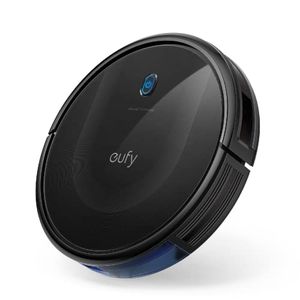













We also considered 10 others:





Our Top Choice
Compare Features


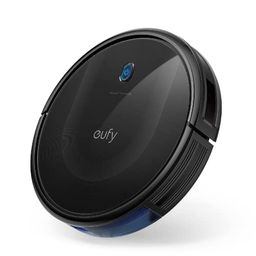


The order above is not editorial opinion, and it is not paid placement. It comes from what shoppers across our network actually do - which robot vacuums they compare, and which they ultimately buy. We re-rank as new data comes in, so the long-term favorites have to keep earning their spot against new entrants. The full method, including how we make money.
Robot Vacuums Buyer's Guide
Robot vacuums live or die on the tradeoff between autonomy and intervention: the best one for this niche is not just the strongest vacuum, but the one that can handle your floor plan, pet hair, thresholds, and maintenance routine without constant rescues. The sharpest checks are navigation reliability, hair/debris management, docking stability, and whether any mopping or self-emptying features actually reduce work in your specific home.
Cleaning
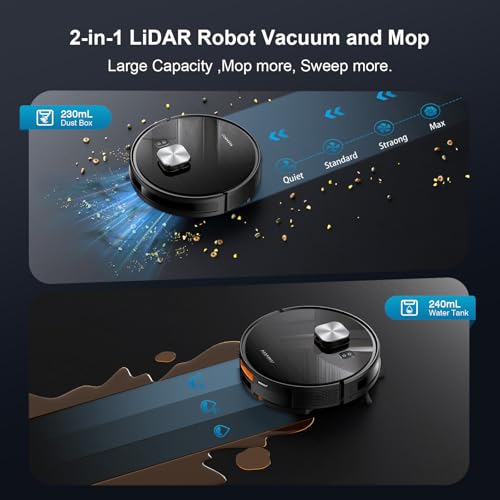
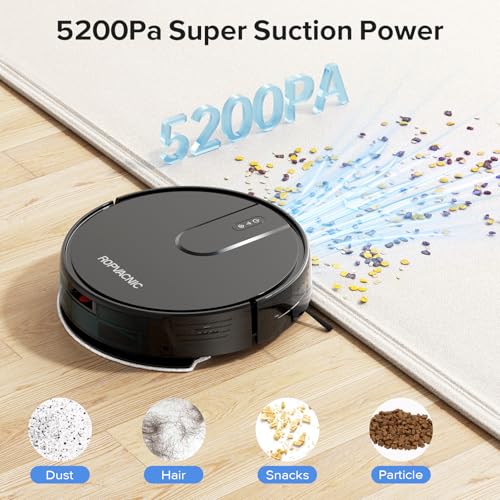
Cleaning performance matters because it determines whether a robot vacuum actually reduces the work you do, especially on everyday dust, crumbs, pet hair, and debris along edges or under furniture. Look for strong, consistent suction, effective brush design, and settings that match your floor types; if you want mopping, check whether it truly lifts stains and manages water well rather than just dragging a damp pad around. Watch out for models that advertise high suction but struggle with larger debris, hair tangles, thick rugs, or uneven mopping coverage.
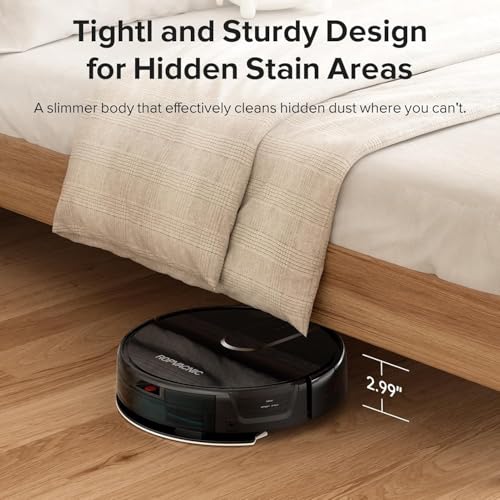
Match the robot to your actual floor mix and debris, not just the advertised suction number: for pet-heavy homes, look for strong fine-dust pickup, an anti-tangle main brush or easy-clean roller, edge-cleaning behavior, and enough bin capacity that hair does not choke the intake mid-run. If you have rugs or low-pile carpet, check for carpet boost and threshold-climbing ability; if you want mopping, treat it as maintenance mopping, not a replacement for scrubbing dried spills or grout. Owner feedback supports this focus: shoppers repeatedly praise models that handle routine sweeping, fine dirt, pet hair, hard floors, low-pile carpet, and light mopping well, especially as daily maintenance cleaners.
Navigation
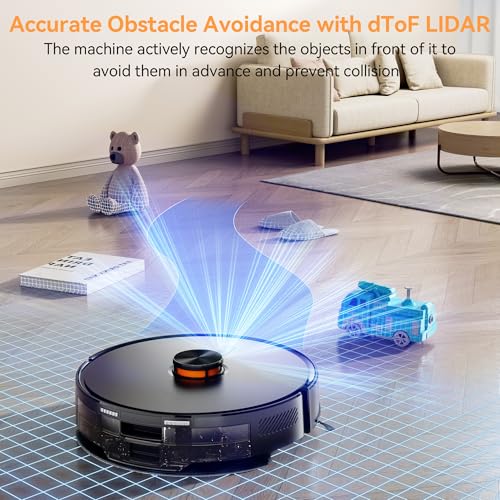
Strong navigation determines whether a robot vacuum cleans methodically or wastes time bumping around, missing rooms, or repeating the same areas. Look for reliable room mapping, efficient route planning, and obstacle avoidance that can handle your floor plan, furniture, thresholds, cords, and clutter. If your home has tight spaces or uneven transitions, pay close attention to reports of the robot getting stuck or needing frequent rescues.
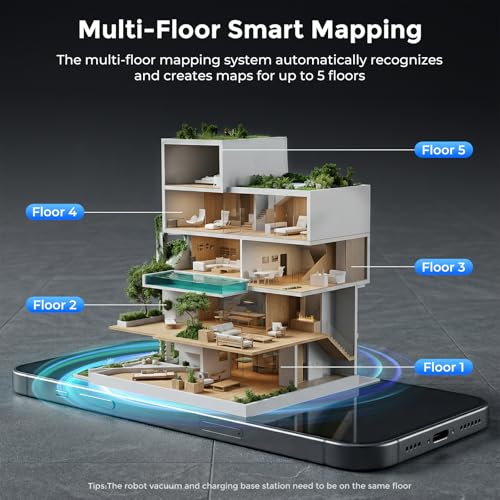
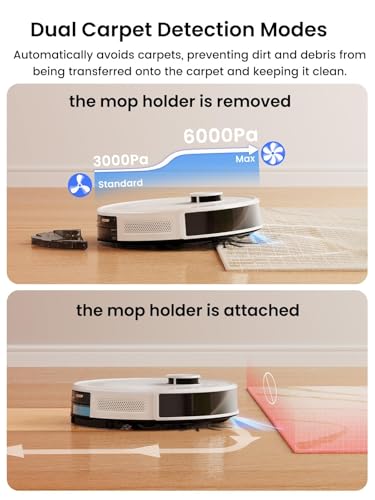
Prioritize navigation based on how complex your home is: open apartments can get by with simpler bump-and-run cleaning, but multi-room homes, furniture-dense layouts, mixed rugs, pet bowls, and no-go zones benefit strongly from LiDAR or similarly systematic mapping. Look for reliable room recognition, editable maps, rug/floor detection, virtual barriers, and organized cleaning paths; avoid robots that cannot remember maps if you need targeted room cleaning or want fewer rescues. Owner sentiment backs this up, with buyers especially valuing robots that quickly learn layouts, move in organized patterns, avoid excessive bumping, return to base reliably, and make room-by-room controls easy.
Ease
A robot vacuum should save you time, not create a new chore, so look for one that’s simple to set up, easy to control, and reliable enough to run without constant babysitting. Pay attention to how intuitive the app is, how easy it is to schedule cleanings or adjust maps and no-go zones, and whether routine tasks like emptying, untangling hair, or fixing errors feel manageable. If the controls are confusing or the vacuum often needs rescuing, the convenience can wear off quickly.
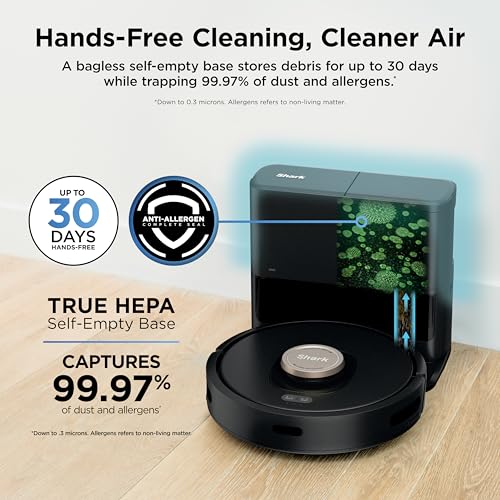
For low-friction ownership, check the entire routine after the first run: app pairing, map editing, scheduling, room selection, no-go zones, voice assistant support if you use it, and how often you must empty bins, clean rollers, wash mop pads, refill tanks, or clear hair. A self-emptying or mop-washing dock can be worthwhile if you run the robot daily, but only if you have space for the dock and accept its upkeep. Owners commonly report that easy setup, quick mapping, approachable apps, scheduling, remote control, and self-maintenance docks make these vacuums feel much easier to live with day to day.
Value
A robot vacuum’s value for money depends on whether its cleaning performance, navigation, battery life, app features, and upkeep costs actually match what you pay. Look for features you’ll use regularly rather than paying for extras that sound impressive but do not improve your routine, and watch for hidden costs like replacement filters, brushes, bags, or mop pads.
Judge value by the features that remove real chores in your home, not by the longest spec list: mapping matters if you need room targeting, self-emptying matters if you have pets, mop washing matters if you will actually mop often, and simple suction may be enough for a small hard-floor space. Avoid overpaying for advanced docks, obstacle recognition, or mopping systems if your main need is daily dust and hair pickup in a simple layout. Owner sentiment aligns with this practical view: buyers often feel satisfied when a robot delivers strong everyday cleaning, useful mapping, scheduled vacuuming, mopping, or self-emptying convenience without requiring a premium-tier purchase.
Reliability
A robot vacuum is only useful if it runs consistently without needing constant rescues, resets, or app troubleshooting. Look for signs of solid reliability: dependable scheduling, stable connectivity, durable brushes and wheels, accurate docking, and software that stays responsive over repeated use. Be cautious of models with frequent complaints about navigation failures, battery or charging issues, random errors, or parts that wear out quickly.
The biggest reliability checks are docking, battery completion, map retention, and hair/debris resistance: a robot that cleans well but cannot find its dock, loses setup, drains before finishing, or tangles constantly will become a babysitting chore. Look for a stable charging base design, sensible low-battery return-and-resume behavior, durable brushes, replaceable filters and parts, and reviews from homes with similar pet hair or floor transitions. Owner feedback is mostly positive around dependable daily cleaning, polished navigation, anti-tangle designs, and months of regular use, but there are clear warnings about some units failing to dock, discharging, or losing setup.
Noise
Noise level matters because your robot vacuum may run while you work, relax, sleep, or share space with pets and family. Look for a model that stays reasonably quiet on its normal cleaning setting, and watch out for louder high-power modes, rattly movement on hard floors, or noisy docking and auto-empty cycles that can be more disruptive than the cleaning itself.
Consider when and where the robot will run: if you work from home, have nervous pets, young children, shared walls, or plan overnight cleaning, look for quiet vacuum modes and separate expectations for the dock, because auto-empty cycles are often much louder than the robot itself. Check whether suction can be adjusted by room or floor type so you can run quiet maintenance passes most days and reserve max power for messier areas. Owner sentiment is encouraging here: many buyers describe routine cleaning as quiet enough for TV, conversation, pets, naps, or daily background use, with the auto-emptying cycle commonly standing out as the louder exception.
1,000,000+ shoppers use Buyer's Guide every week to find the best products and services online.

Helping millions of users make smarter purchases online.


