














We also considered 10 others:


Our Top Choice
Compare Features


The order above is not editorial opinion, and it is not paid placement. It comes from what shoppers across our network actually do - which paper shredders they compare, and which they ultimately buy. We re-rank as new data comes in, so the long-term favorites have to keep earning their spot against new entrants. The full method, including how we make money.
Paper Shredders Buyer's Guide
Paper shredders are a tradeoff between security, throughput, and heat management: the machine that safely destroys tax, medical, or client paperwork is not always the one that can swallow a moving-box backlog without stopping. The sharpest checks are cut type/particle size, realistic sheet and run-time capacity, and whether the feed path can handle staples, cards, envelopes, or auto-feed stacks without jams.
Performance
Strong shredding performance determines whether a machine can reliably handle your typical workload without jams, slowdowns, or uneven cuts. Look for a shredder rated for the sheet count and materials you actually need to destroy, and be cautious of models that only perform well with very small batches or require frequent pauses to recover.
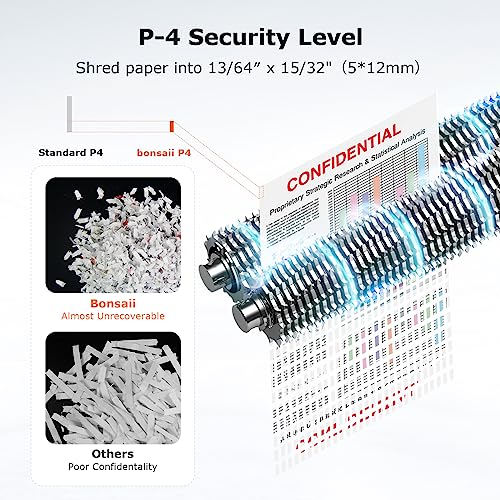
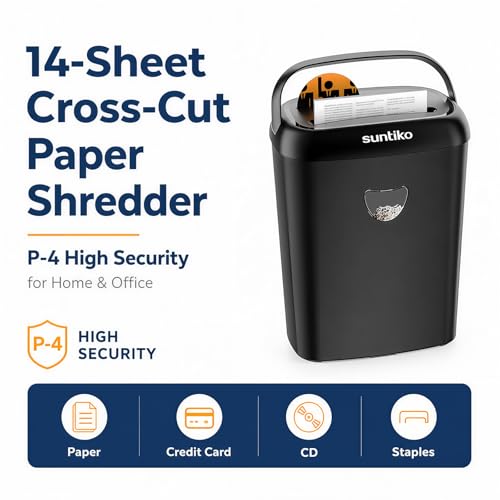
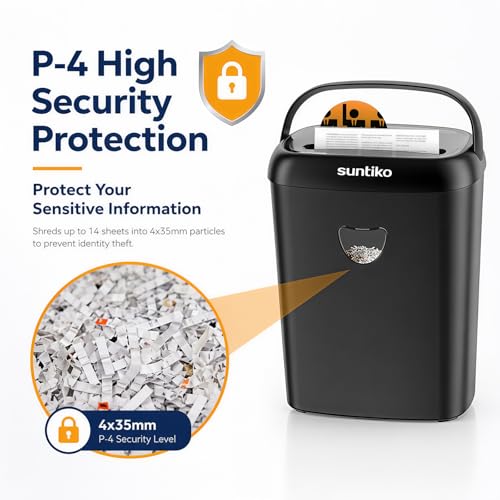
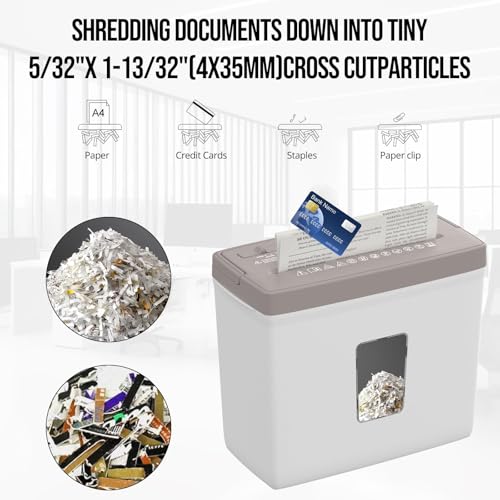
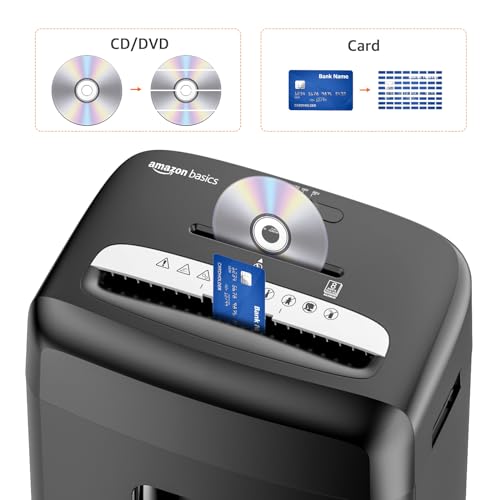
Prioritize the cut pattern and feed tolerance before raw motor claims: for sensitive household or home-office records, look for cross-cut or preferably micro-cut output, a jam-reverse or anti-jam system, and explicit support for the materials you actually shred, such as stapled packets, credit cards, envelopes, clips, or discs. Avoid assuming a high sheet count means secure destruction; a strip-cut or coarse cross-cut machine may process paper quickly but leave reconstructable strips, while a micro-cut model produces smaller confetti-like pieces and can often let the bin hold more shredded material. Owner feedback supports this focus: buyers repeatedly praise smooth handling of paper and credit cards, efficient cutting into smaller pieces, pullout bins paired with fine shred size, and heavy-duty machines that chew through varied office clutter with few jams.
Speed
Speed matters because it determines how long you’ll spend feeding pages and waiting for a shredding job to finish, especially if you regularly clear out stacks of documents. Look for a shredder with a steady pages-per-minute rate and a sheet capacity that matches your typical workload, but watch for models that shred quickly only in short bursts before needing a cooldown.
Choose speed based on backlog style: if you shred a few bills daily, fast manual feeding matters less than low hassle, but if you are clearing years of files, look for a long duty cycle, short cooldown time, high sustained pages-per-minute, and ideally an auto-feed tray that can take a locked or covered stack. Be cautious with auto-feed if your piles include folded, glossy, crumpled, stapled, or mixed-size papers, because real-world speed drops sharply when stacks need sorting or jams need clearing. Owner sentiment backs up the value of true throughput: shoppers describe quick feeding, strong handling of multiple sheets and cards, auto-feed as a major time-saver, and large backlogs being completed quickly enough for cleanouts or busy office use.
Build
Build quality matters because a flimsy shredder can jam, overheat, or break down right when you need to clear a stack of documents. Look for sturdy construction, reliable feed mechanisms, clear jam-reversal or jam-prevention features, and a duty cycle that matches how much you plan to shred. Be wary of units that feel lightweight, struggle with more than a few sheets, or require frequent cooldowns during normal use.
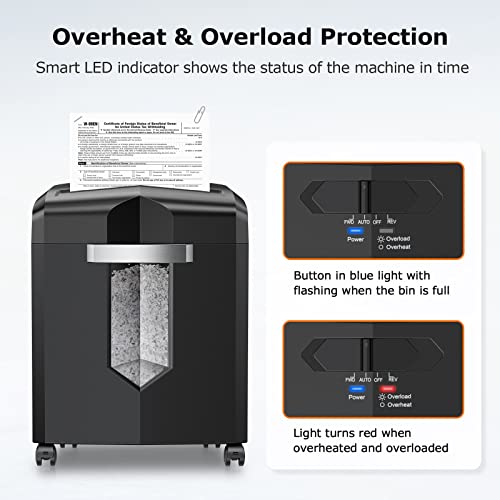
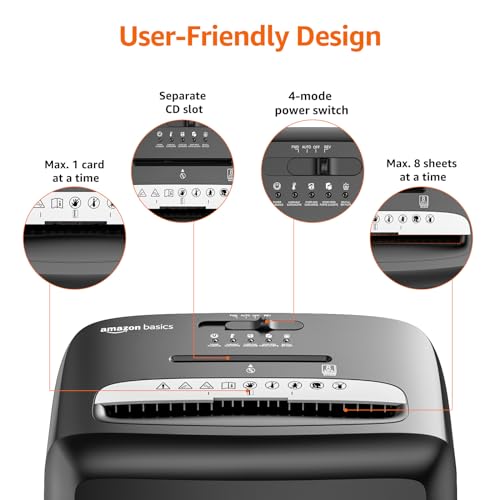
Inspect build around the feed throat, cutters, motor duty rating, casters, bin rails, and safety interlocks, because shredder failures often come from heat buildup, stripped plastic gears, misaligned bins, or flimsy pullout baskets rather than from the blades alone. For heavier use, favor a unit with a stable cabinet, accessible jam clearing, oiling guidance, thermal protection, and a bin that seats securely; avoid lightweight heads perched on small baskets if you will shred thick stacks or run long sessions. Owner reports align with this: buyers tend to value sturdy home-office machines, quieter and neater operation than expected, reliable long-term workhorse behavior, and feed-through designs that handle multiple sheets without constant jams.
Noise
A shredder’s noise level matters if you use it in a home office, shared workspace, or anywhere you might interrupt calls, conversations, or concentration. Look for quiet operation if you shred frequently or in longer sessions, and be cautious with powerful or heavy-duty units that may cut quickly but sound harsh or disruptive while running.
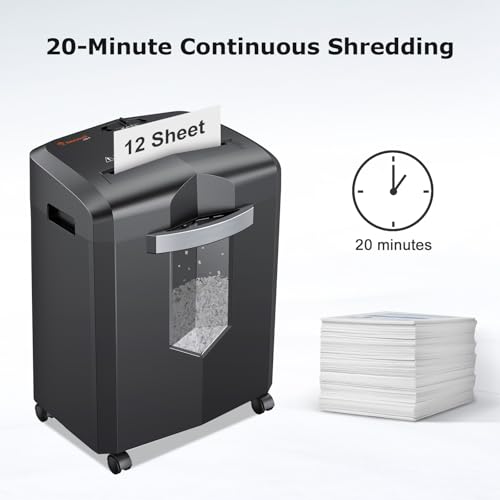
Match noise level to where the shredder will live: for a home office, apartment, reception area, or shared workspace, look for published low-noise operation, a cabinet-style body that dampens vibration, and smooth casters or rubber feet; avoid overpowered open-bin designs if you will shred during calls or near others. Remember that micro-cut and heavy-duty models can run longer, so a slightly quieter motor matters more during 20-minute cleanup sessions than during occasional one-page shredding. Owner feedback supports making noise a real buying criterion: many buyers call modern higher-capacity units quieter than expected, less disruptive in home offices or shared workspaces, and noticeably quieter than older or cheaper shredders.
Value
You want a shredder that feels worth its cost not just on day one, but after repeated use, so compare its capacity, runtime, security level, build quality, and jam resistance against what you actually need. Watch out for cheap models that save money upfront but struggle with thicker stacks, overheat quickly, or feel flimsy, as they can become frustrating if you shred often.
Judge value by the cost of avoiding frustration, not just by the lowest purchase price: the best buy for this category is the machine whose security level, duty cycle, bin size, and jam resistance fit your actual paper volume. Light-duty users can reasonably choose a basic document shredder, but anyone handling client files, old records, or bulk cleanouts should pay more attention to micro-cut security, long run time, and a larger pullout bin than to headline sheet count alone. Owner sentiment reflects this split: buyers often see capable home-office models as solid bargains, say higher-cost machines are worthwhile when they replace flimsy low-end frustrations, and also note that inexpensive light-duty units can feel right when the need is only basic document shredding.
Capacity
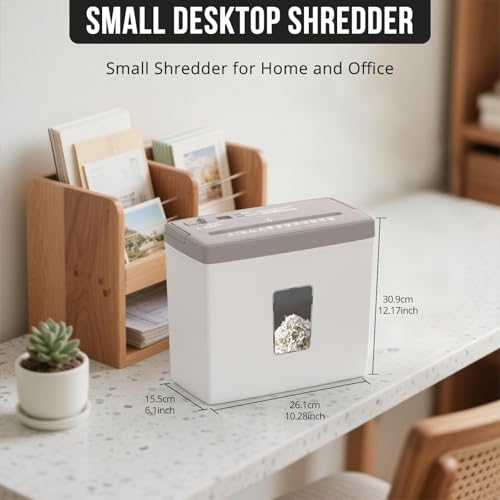
Capacity determines how many sheets you can shred in one pass and how often you’ll need to empty the bin, so it directly affects speed and convenience. Look for a shredding capacity that matches your typical stack size, but remember that thicker paper, envelopes, staples, or folded sheets can reduce the real-world amount it handles. A larger bin capacity is helpful for frequent shredding, while smaller bins are fine for occasional use but may fill quickly.
Size capacity around three separate limits: sheet feed capacity, continuous run time, and bin volume. For bulk file purges, look for a large pullout or bag-style bin, a duty cycle that will not overheat after a few minutes, and auto-feed capacity if you want to load stacks and walk away; for everyday use, a smaller bin may be fine but should still be easy to remove without spilling confetti. Do not overtrust maximum sheet ratings, because real documents include folds, staples, envelopes, and mixed paper weights. Owner feedback reinforces this: shoppers appreciate higher sheet capacity, large bins, 18-sheet-style manual feeding, large auto-feed stacks, and micro-cut output that compacts well enough to reduce emptying during bigger sessions.
1,000,000+ shoppers use Buyer's Guide every week to find the best products and services online.

Helping millions of users make smarter purchases online.


