





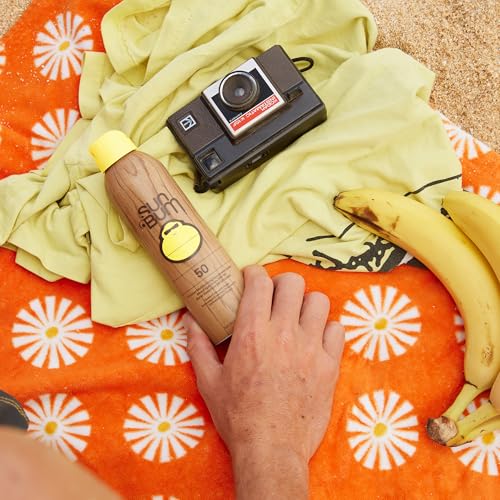


We also considered 10 others:


Our Top Choice
Compare Features


The order above is not editorial opinion, and it is not paid placement. It comes from what shoppers across our network actually do - which organic non-toxic sunscreens they compare, and which they ultimately buy. We re-rank as new data comes in, so the long-term favorites have to keep earning their spot against new entrants. The full method, including how we make money.
Organic Non-Toxic Sunscreens Buyer's Guide
Organic non-toxic sunscreens have to balance cleaner mineral-based ingredient preferences with the practical reality that sunscreen only works if it spreads evenly, feels tolerable, and is reapplied. The sharpest checks are whether the formula provides verified broad-spectrum protection and whether its zinc-based texture, scent, and ingredients are suitable for sensitive skin or family use.
Texture
Texture matters because a sunscreen you dislike wearing is less likely to be applied generously and reapplied as needed. Look for a formula that feels comfortable for your skin type—lightweight and non-greasy if you’re oily or layering under makeup, richer if you’re dry—and watch for thick, sticky, or residue-heavy formulas that can feel unpleasant or transfer onto clothing.
For organic non-toxic sunscreens, texture is often the make-or-break issue because zinc oxide can feel chalky, waxy, or heavy; look for a mineral formula that spreads evenly, dries down cleanly, and uses skin-conditioning ingredients without becoming occlusive. If you have acne-prone skin, be cautious with very rich butters, oils, or tallow-based bases, while dry or sensitive skin may benefit from a more lotion-like, moisturizing feel. Owner feedback supports this priority: shoppers repeatedly value formulas that absorb quickly, feel lightweight rather than greasy, leave skin hydrated, apply more smoothly than typical zinc sunscreens, and clear with little to no white residue for face use.
Application
You want a non-toxic sunscreen that spreads evenly, blends without excessive rubbing, and absorbs comfortably so you’re more likely to apply the right amount. Look for smooth coverage that doesn’t leave patchy white streaks, heavy residue, or pilling under makeup or moisturizer. If it feels difficult to spread or leaves gaps, you may end up with uneven protection.
Choose an application format that helps you use enough product and reapply correctly, not just one that feels convenient. Mineral sprays can be fast for arms, legs, and hard-to-reach areas, but they should still be rubbed in for even zinc coverage and should not be inhaled, especially around children; lotions, sticks, or creams may be safer and more controlled for the face. Owner sentiment backs the importance of easy application: buyers like quick-absorbing formulas, smooth rub-in, comfortable all-day wear, and sprays that offer fast, even-feeling coverage when blended in.
Protection
You want a non-toxic sunscreen that actually prevents burns, not just one with a clean ingredient list. Look for broad-spectrum protection with an SPF level suited to your exposure, plus clear water-resistance guidance if you’ll be sweating or swimming, and watch for formulas that need frequent reapplication or rub off easily during outdoor activity.
Do not let “organic,” “clean,” or “non-toxic” claims substitute for verified sun protection: check for broad-spectrum coverage, an appropriate SPF—often SPF 30 to 50 for daily outdoor use—and mineral actives such as zinc oxide listed as the sunscreen ingredient. For beach days, hiking, swimming, surfing, sports, or heavy sweating, prioritize water resistance and reapply on schedule; also check expiration dates because mineral formulas can separate or become harder to spread evenly over time. Owner reports are strongest when formulas provide dependable SPF 50 protection, prevent burns in intense sun, stay put through water or outdoor activity, and work for fair-skinned families in direct sun.
Skin
Because sunscreen sits on your skin for hours, you want a formula that matches your skin type without causing dryness, stinging, breakouts, or redness. Look for moisturizing ingredients if your skin is dry, fragrance-free or minimal-ingredient formulas if you’re sensitive, and non-comedogenic textures if you’re acne-prone or oily. Mineral non-toxic sunscreens can be gentler for many people, but always watch for irritation from added fragrances, essential oils, or heavy occlusives.
For sensitive skin, children, or family use, look beyond the “natural” label and check for common irritants such as fragrance, essential oils, citrus extracts, baking soda, lanolin-like ingredients, and heavy occlusive oils if you are breakout-prone. Zinc oxide is often a good fit for reactive skin, but patch testing still matters, and babies under 6 months need clinician guidance rather than routine sunscreen use. Owner sentiment aligns with this: shoppers often praise mineral zinc formulas, fragrance-free options, and moisturizing bases for avoiding burning, breakouts, dryness, or irritation, including on fair or sensitive skin in strong sun.
Formula
Your sunscreen’s formula determines both how comfortably it protects your skin and how well it matches your standards for non-toxic ingredients. Look for clear active ingredients, often mineral filters like zinc oxide or titanium dioxide, and check the full ingredients list for fragrances, preservatives, or additives you prefer to avoid. If reef-safe claims matter to you, treat them as a starting point rather than a guarantee, since the term is not consistently regulated.
Read the active-ingredient panel first: a serious organic non-toxic sunscreen should clearly disclose its mineral UV filters, usually zinc oxide, and should not rely on botanical oils as the source of sun protection. Treat terms like “reef-safe,” “clean,” “ocean-safe,” and “chemical-free” as marketing unless the ingredient list supports them; “organic” may apply only to inactive plant ingredients, not the UV filter itself. Owner feedback shows why this matters: buyers are drawn to transparent mineral formulas, reef-conscious positioning, shorter ingredient lists, fragrance-free zinc options, and formulas chosen for kids, babies, sensitive skin, or avoidance of conventional sunscreen chemicals.
Scent
Scent matters because sunscreen sits close to your nose and may be reapplied throughout the day, so a fragrance that seems fine at first can become distracting or irritating. If you have sensitive skin, migraines, allergies, or prefer a low-profile formula, look for unscented or fragrance-free options and watch for essential oils or added perfumes, which can still cause reactions even in “natural” products.
For this niche, the safest scent choice is usually unscented or very lightly scented, because natural fragrance and essential oils can still irritate sensitive skin or make daily face use unpleasant. If you are buying for children, eczema-prone skin, pregnancy-sensitive noses, or anyone prone to headaches, avoid strong botanical perfume even if it is marketed as natural. Owner sentiment supports keeping scent restrained: shoppers respond well to formulas with little to no noticeable fragrance, mild pleasant scents, and products that avoid the strong chemical or classic sunscreen odor.
1,000,000+ shoppers use Buyer's Guide every week to find the best products and services online.

Helping millions of users make smarter purchases online.


