









Our Top Choice
Why These Features Matter:
“Non-toxic sunscreen” is one of those phrases that means a dozen different things depending on who’s talking. In practice, most people using the term are looking for a mineral (zinc oxide and/or titanium dioxide) sunscreen, often fragrance-free, often reef-conscious, and ideally something that doesn’t make everyday life feel like a chore. Because yes, wearing sunscreen daily is virtuous. Wearing sunscreen daily that pills under makeup, leaves a ghostly cast in every car selfie, or turns your black shirt into a chalkboard is… not happening.
A truly good non-toxic/mineral sunscreen isn’t the one with the longest ingredient list discourse online. It’s the one that gets used: on school-run mornings, on lunch breaks, on beach days where someone is always sticky and the bag is full of sand, and on those “it’s cloudy, so do we really need it?” days (you do).
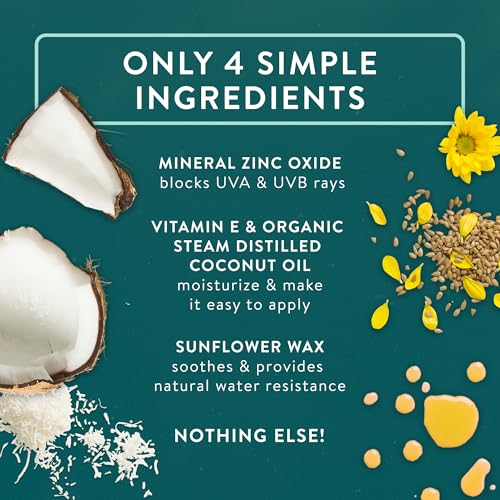
1) Filters: Zinc vs. Titanium (and why it changes how it feels)
Mineral sunscreens rely on zinc oxide, titanium dioxide, or a mix. That choice shows up on your face long before it shows up on a label.
- Zinc oxide: Broader coverage, often the better pick for face and sensitive skin, but more likely to read “pale” or “dry” if the formula isn’t well-balanced.
- Titanium dioxide: Often feels a touch lighter and can look less ashy on initial application, but may not be as broad on its own, so it’s frequently paired with zinc.
- Combo formulas: Usually the sweet spot for people who want mineral protection without the full Victorian-era pallor.
The real-world tell: if a mineral sunscreen feels like it’s sitting on top of skin like a polite but firm mask, it’s typically zinc-heavy and under-moisturized. If it melts in more easily, it’s either better formulated, more silicone-y, or leaning on titanium (or both).
2) The White Cast Question (aka: will this ruin the mirror by the door?)
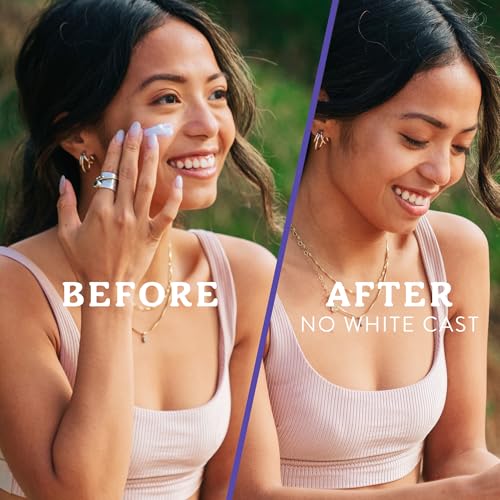
White cast isn’t a moral failing; it’s physics. Mineral filters are naturally opaque. The difference between “fine” and “absolutely not” comes down to tint, particle dispersion, and finish.
- Tinted mineral sunscreen helps neutralize the cast and can double as “no-makeup makeup.” Also: it’s less likely to make your hairline look dusty in overhead lighting.
- Untinted formulas can still work beautifully, especially on lighter skin tones or for body use. But they tend to show up in flash photos and on darker skin tones in a way that feels unfair.
- “Invisible” mineral claims are often code for a very sheer application—which can tempt people to apply less than they should.
A small, unglamorous detail that matters: some tinted formulas love to leave a warm-beige ring on shirt collars and the inside of baseball caps. It’s not a dealbreaker, but it’s the kind of thing that turns a “daily” sunscreen into a “weekends only” sunscreen.
3) Finish: Dewy, Matte, or That Slightly Waxy Middle Ground
Finish isn’t just aesthetic. It affects comfort, reapplication, and whether sunscreen starts migrating south by 2 p.m.
- Dewy finishes can look gorgeous and healthy, especially on dry skin, but can feel a bit “face-lotiony” in humid weather or under a mask.
- Matte finishes behave better for oily skin and summer commutes, though some can cling to dry patches and announce last night’s retinol.
- Waxy/balmy finishes are common in water-resistant formulas. Great for the beach, less great if hair sticks to your cheeks every time the wind changes direction.
Practical guidance: if sunscreen is meant for daily face use, it should play nicely with your moisturizer and not make foundation pill into tiny eraser crumbs. If it’s meant for beach or sports, some tackiness is acceptable—just don’t pretend it’s a “primer-like velvet.”
4) Water Resistance: The Feature People Forget Until They’re Already Sweating
A sunscreen can be mineral and still slide right off during a sweaty walk, a swim, or a humid subway wait that feels like a terrarium. Water-resistant matters for body and for anyone who runs warm.
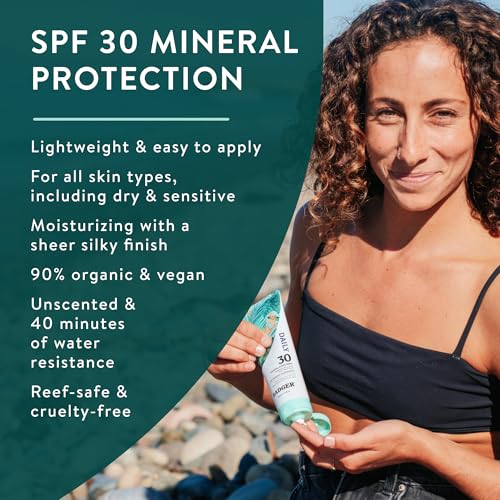
- 40 minutes water resistance is fine for daily life, quick errands, and casual outdoor time.
- 80 minutes water resistance is what you want for pool days, beach days, hiking, and any scenario involving children and a sprinkler.
Honest caveat: the more water-resistant the formula, the more likely it is to feel thicker and require a real cleanse at night. Micellar water alone often loses this battle.
5) Application Experience: Lotion, Stick, Spray (and the chaos of real routines)
Formats aren’t just preference—they’re logistics. The right one depends on whether sunscreen is being applied calmly at a vanity or aggressively in a parking lot.
- Lotions/creams: Best coverage, easiest to apply enough, generally the safest bet for faces and kids. Downside: can feel messy and slow when everyone is trying to get out the door.
- Sticks: Excellent for on-the-go, reapplying around eyes, and keeping in a bag without leaks. Downside: easy to under-apply (a few polite swipes aren’t enough) and can drag on drier skin.
- Sprays: Convenient for bodies, hard-to-reach spots, and wriggly children. Downside: mineral sprays can be tricky—uneven coverage, windy-day waste, and the “did anyone just inhale that?” anxiety.
Things to know: sticks and sprays are best treated as assistants—great for touch-ups, not always reliable as the sole source of protection unless you’re generous and thorough (which most people are not, mid-errand).
6) Eye Sting (or, mercifully, the lack of it)
One reason people seek mineral sunscreens: fewer stinging-eye incidents, especially compared to some chemical formulas. But mineral doesn’t automatically mean tear-free. A heavy fragrance, certain botanical extracts, or a formula that migrates can still ruin a day.
- Look for fragrance-free if eyes are sensitive or contact lenses are involved.
- Thicker, more “grippy” formulas tend to stay put better around the eye area.
- Very dewy lotions can travel—especially in heat—straight into the lash line.
A small but useful trick: a sunscreen stick or balm around the orbital area with a lotion everywhere else often prevents the classic “why are my eyes watering in line for iced coffee?” moment.
7) Ingredient Philosophy: “Non-Toxic” Without Turning It Into a Lifestyle Thesis
People usually mean some combination of: mineral filters, no fragrance, no essential oils, and fewer potential irritants. The most helpful way to shop is to be specific about what you’re avoiding.
- Sensitive skin / eczema-prone: prioritize fragrance-free, essential-oil-free, and shorter ingredient lists.
- Acne-prone: avoid very heavy oils and waxy balms for daily face use; look for lighter textures that don’t feel occlusive by noon.
- Kids/babies: mineral formulas are often preferred, but texture matters—if it’s too difficult to spread, it won’t get applied thoroughly.
Honest caveat: “clean” branding isn’t a substitute for comfort and compliance. A sunscreen can be beautifully “non-toxic” on paper and still sit untouched because it looks weird under makeup or makes arms feel dusty. The best choice is the one that gets reapplied.
8) Reapplication Reality: The 2 p.m. Problem
Daily sunscreen habits tend to fall apart at reapplication—especially if makeup is involved or hands are not exactly pristine.
- For face reapplication: sticks and compact-style balms are often the least disruptive. Powder SPF can help with shine, but shouldn’t be the only layer.
- For body reapplication: a squeeze tube you don’t mind getting sandy wins over a precious glass bottle that lives at home “for special occasions.”
- Keep one where you’ll use it: by the door, in the stroller caddy, in the gym bag. The sunscreen in the medicine cabinet is spiritually nice, practically irrelevant.
A quiet truth: the best sunscreen is rarely the one with the chicest packaging. It’s the one that survives being tossed in a tote next to keys, snacks, and a half-melted lip balm.
Quick Checklist: What to Prioritize for Your Actual Life
- Daily face: comfortable finish + no pilling + minimal cast (tinted helps) + doesn’t creep into eyes.
- Outdoor days: water resistance + durability + a formula you don’t hate applying generously.
- Kids: easy spread + low drama + formats that allow fast reapplication without a negotiation.
- Darker skin tones: tinted options or truly sheer mineral formulas (test in daylight, not bathroom lighting).
- Makeup wearers: compatibility matters more than SPF bravado—if it pills, it won’t get worn.
The Honest Bottom Line
A great non-toxic (mineral) sunscreen is usually the one that disappears into routine: it spreads quickly, doesn’t leave the bathroom looking like someone baked bread on the counter, and doesn’t punish you for living in a body that sweats. Expect small trade-offs—tint transfer, a slightly tacky finish, a need for real cleansing at night. The goal isn’t perfection. It’s a formula that makes daily protection feel normal, not like an earnest hobby.
1,000,000+ shoppers use Buyer's Guide every week to find the best products and services online.

Helping millions of users make smarter purchases online.

