





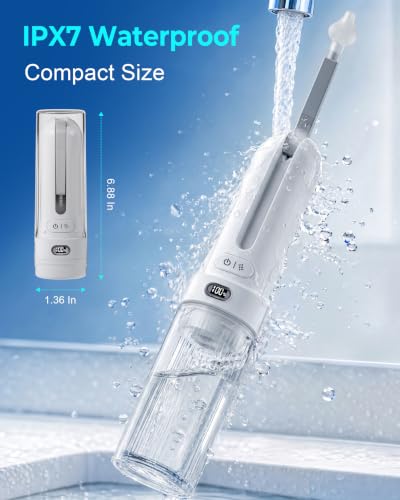




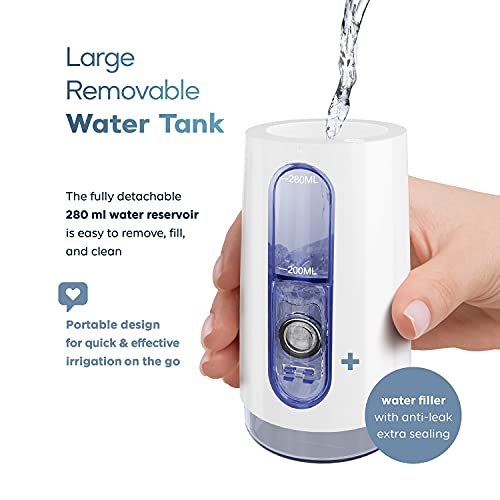




We also considered 10 others:


Our Top Choice
Compare Features


The order above is not editorial opinion, and it is not paid placement. It comes from what shoppers across our network actually do - which nasal irrigation machines they compare, and which they ultimately buy. We re-rank as new data comes in, so the long-term favorites have to keep earning their spot against new entrants. The full method, including how we make money.
Nasal Irrigation Machines Buyer's Guide
Nasal irrigation machines trade the simplicity of a squeeze bottle for steadier powered flow, stronger mucus removal, and more parts that must stay hygienic. The biggest buying concerns are pressure control, safe water handling, and whether the tank, tips, and suction paths can be cleaned and dried well enough for frequent nasal use.
Relief
Relief is the main reason to choose a nasal irrigator: you want it to loosen mucus, clear congestion, and help you breathe more comfortably without causing irritation. Look for a design that delivers a steady, controllable rinse and reaches the nasal passages effectively, and be wary of options that feel too forceful, awkward to use, or leave you with lingering pressure or discomfort.
For relief, choose a machine that lets you control rinse pressure and, if you tolerate it, combines powered flow with gentle suction; blocked or inflamed sinuses can feel worse if the stream is too forceful, while too-weak flow may not move thick mucus. Look for multiple gentle modes, soft nasal tips that seal without jamming into the nostril, and a design that maintains steady saline flow rather than pulsing unpredictably. Owners most often praise these machines when they quickly open blocked nasal passages, keep congestion under control during sinus trouble or allergy season, and feel more effective than squeeze bottles or gravity-fed rinses.
Usability
A nasal irrigator is only helpful if you can use it comfortably and consistently, so look for one that’s simple to fill, assemble, clean, and operate without a complicated routine. Consider whether the design works for your sink setup, grip strength, and preferred pressure control, and watch out for models with awkward reservoirs, hard-to-clean parts, or settings that feel too limited or too fussy for regular use.
For usability, prioritize a routine you can perform correctly every day: simple fill lines, easy saline mixing, one-button controls, clearly marked flow settings, and parts that can be rinsed and dried without fuss. Also check whether the reservoir capacity is enough for a full rinse without refilling, whether the device can be operated one-handed over a sink, and whether the nasal tips fit your nostrils comfortably—poor fit is a common reason people abandon irrigation. Buyer feedback supports this: users tend to value push-button operation, straightforward setup, included tips and saline packets, and a daily process that feels easier than neti pots or squeeze bottles.
Build
You want a nasal irrigator that feels solid, seals securely, and works the same way each time, because leaks or inconsistent flow can make rinsing messy and less comfortable. Look for durable materials, tight-fitting caps and tips, simple parts that are easy to clean, and a design that resists dripping or failing under regular use.
For build quality, inspect the parts that directly affect hygiene and long-term reliability: the water tank should open wide enough to dry fully, seals should not trap standing water, nozzles should detach for cleaning, and any suction pathway should be easy to rinse so residue does not build up. Because these devices contact nasal tissue, avoid flimsy reservoirs, hard-to-clean tubing, or designs with hidden crevices; also confirm the instructions specify safe water use, such as distilled, sterile, or previously boiled and cooled water. Owners generally describe better-built units as sturdy, dependable, easy to maintain, and a durable upgrade over basic rinsing methods when cleaned properly, with adjustable flow and nozzle sizes adding comfort for different users.
Value
A nasal irrigator is a good value when it cleans effectively, is comfortable to use, and holds up to regular cleaning and refilling without feeling flimsy or fussy. Look for the right mix of useful features—such as adjustable pressure, easy-to-clean parts, and compatible tips—without paying extra for functions you won’t use. Watch out for low-cost options that save money upfront but leak, clog, or require frequent replacement parts.
For value, judge the machine by your rinse frequency and consumable requirements, not just the upfront package: daily allergy, chronic sinus, or CPAP users may benefit most, while occasional users may not need a powered device. Check whether it requires proprietary saline pods or accepts standard saline packets, whether replacement tips and tanks are available, and whether the kit includes enough nozzles or saline to start without immediate extra purchases. Owner sentiment suggests value is strongest when the kit includes useful extras, avoids locked-in solutions, replaces disposable saline products for frequent users, and feels like a faster, steadier upgrade over bottles or neti pots; however, fit and sensation vary enough that the payoff is not universal.
Cleansing
Thorough sinus cleaning matters because a nasal irrigator should help rinse away mucus, allergens, dust, and other irritants without leaving you feeling blocked or overly irritated. Look for a steady, comfortable flow that can reach both nasal passages effectively, and watch out for designs that are too weak to clear congestion or too forceful for regular, comfortable cleansing.
For cleansing, focus on controlled, hygienic removal of mucus—not just a strong jet. The best fit for this niche is a machine that can flush both nostrils with isotonic saline at adjustable pressure, clear thick mucus without stinging, and be fully cleaned afterward so bacteria or mineral residue do not remain in the system. Owners report the most satisfaction when powered rinse or rinse-and-suction designs leave nasal passages feeling thoroughly cleared, especially for allergies, chronic sinus issues, nighttime congestion, and CPAP-related dryness or blockage.
Battery
If you choose a cordless or powered nasal irrigator, battery life affects whether it’s ready when you need it and convenient enough to use consistently. Look for a model that can handle multiple sessions per charge, has a clear battery or charging indicator, and uses a charging method that fits your routine. Be cautious of units with vague runtime claims, long recharge times, or proprietary chargers that are hard to replace.
For battery performance, cordless convenience is useful only if the battery is sealed safely from water exposure and holds enough charge for repeated full rinses; check charge-time claims, low-battery indicators, and whether the unit can still be cleaned and stored dry after use. If you travel, prioritize a compact design with a secure reservoir lock and charging method you can actually use away from home, but avoid models with no clear battery warranty or reports of early charge failure. Owners like rechargeable units when they charge quickly, last for many uses, and avoid disposable batteries, though feedback also shows battery reliability can be uneven, with some units losing charge sooner than expected.
1,000,000+ shoppers use Buyer's Guide every week to find the best products and services online.

Helping millions of users make smarter purchases online.


