





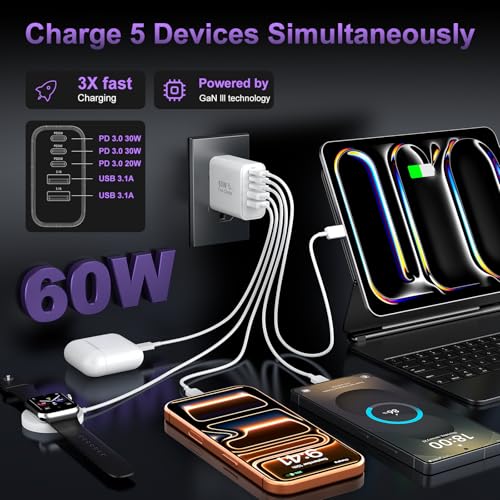


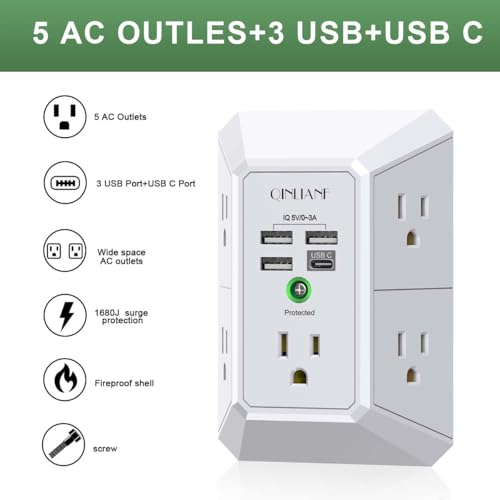


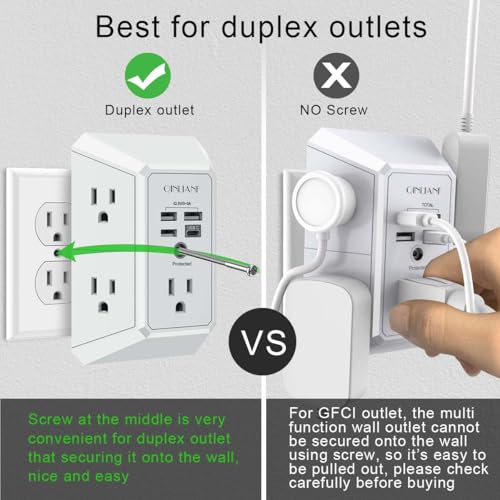


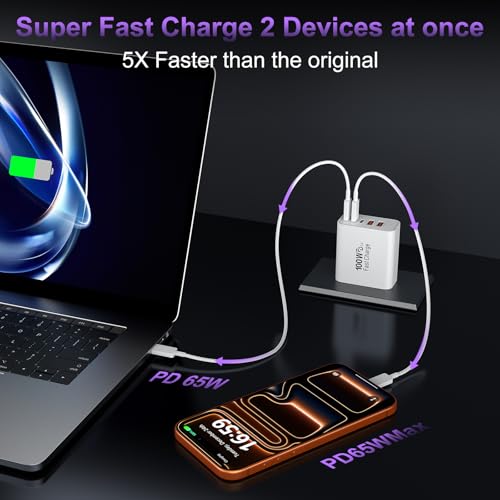





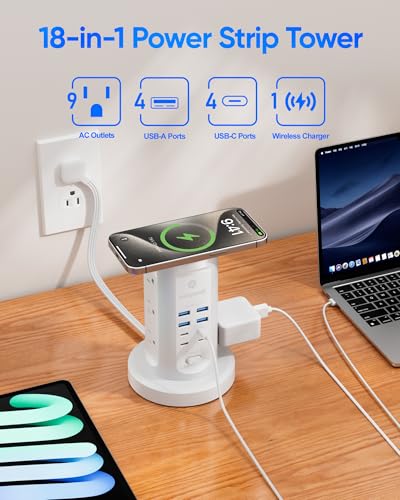









We also considered 10 others:


Our Top Choice
Compare Features


The order above is not editorial opinion, and it is not paid placement. It comes from what shoppers across our network actually do - which multiport chargers they compare, and which they ultimately buy. We re-rank as new data comes in, so the long-term favorites have to keep earning their spot against new entrants. The full method, including how we make money.
Multiport Chargers Buyer's Guide
A good multiport charger is a balancing act: enough real wattage for several devices, the right mix of USB-C and legacy ports, and a body compact enough for shared outlets or travel. The sharpest risks are misleading port counts, speed drops when multiple devices are connected, and durability or heat issues from a charger working near its limits.
Power Sharing
Multiport chargers divide a limited power budget among connected devices, so the headline wattage can be misleading. The right pick depends on whether you are topping off phones and accessories or expecting one block to handle higher-draw tablets and computers at the same time.
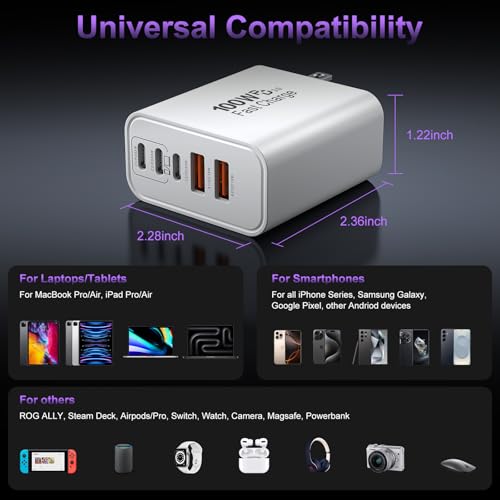
Check the charger’s total wattage and the per-port wattage, not just the number of sockets. A good multiport charger should clearly state what each USB-C and USB-A port can deliver alone and what happens when several devices are plugged in; otherwise, a laptop, tablet, phone, and watch may all charge, but not at the speeds you expect. Look for USB-C Power Delivery for modern phones, tablets, and many laptops, and avoid vague listings that only advertise “fast charging” without port-by-port output details. Owner sentiment strongly supports multi-device usefulness: buyers repeatedly valued being able to charge several phones, USB-C devices, USB cords, and even a watch at the same time. Charging speed was also praised as fast enough for everyday phones and devices, especially from USB-C, though feedback on speed was less uniform than on convenience, which makes power-allocation specs worth checking carefully.
Port Mix
A multiport charger is only convenient if its connectors match your real cable mix. USB-C is increasingly important for faster charging, but USB-A can still matter for accessories and older cords.
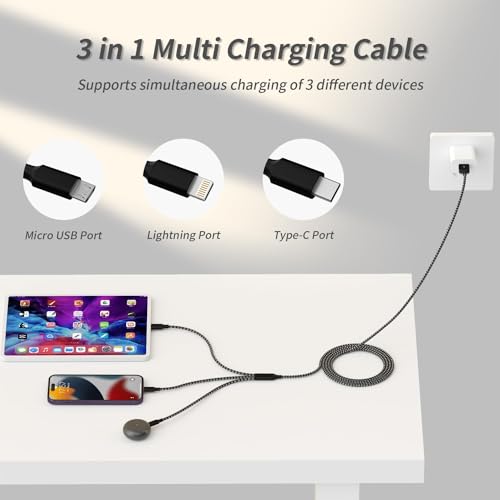
Choose the port layout around the cables you actually travel with and the devices you share outlets with. For most households and travel kits, at least one high-output USB-C port is essential, while one or more USB-A ports can keep older cables, watches, earbuds, and legacy charging cords useful. Avoid a charger that forces you into adapters for everyday use, because adapters add clutter and can interfere with fast-charge compatibility. Owners highlighted the multiport setup as a major strength because it handled several phones, USB-C devices, USB cords, and watches together. They also found mixed port options helpful for travel and shared outlets, where one charger may need to cover different cable types at once.
Travel Fit
Multiport chargers are often bought to replace several single-device adapters. Size, plug design, and outlet clearance determine whether that promise holds up in cramped travel and shared charging situations.
For travel, prioritize a compact body that does not block neighboring outlets or fall out of loose wall sockets. A foldable plug, low-profile shape, and sensible port orientation can matter as much as wattage in airports, hotels, dorms, and shared power strips. If you pack one block for several devices, make sure the charger is small enough for a pouch but powerful enough that you are not carrying backup bricks anyway. Owner feedback consistently connected value with compact size, portability, and convenience to pack. Buyers also liked these chargers as shared-outlet solutions because multiple ports reduced the need for several separate charging blocks.
Build Safety
A charger is connected directly to mains power and to expensive devices, so reliability is a safety issue as well as a convenience issue. Strong internal protection and heat management are especially important when multiple ports are used at once.
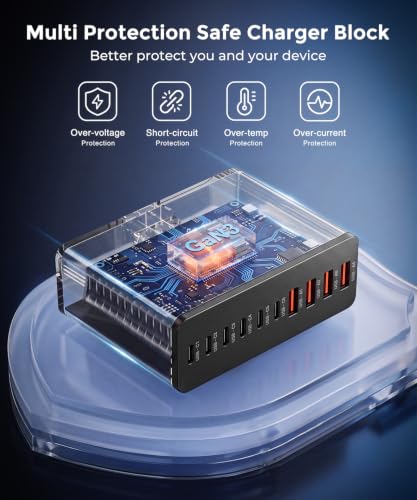
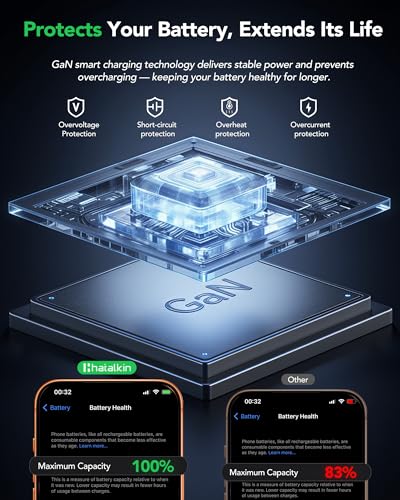
Look for a charger with clear safety protections such as over-current, over-voltage, over-temperature, and short-circuit protection, plus a housing that feels solid and resists heat buildup. Multiport models work harder than single-port blocks, especially when several devices are drawing power, so poor thermal design can cause throttling, shutdowns, or early failure. Avoid units with vague electrical specs, flimsy plug blades, or reports of overheating or sudden failure. Owners generally described build quality as solid, dependable, and good across different devices. However, durability sentiment was not perfectly uniform: some buyers trusted the chargers, while others experienced early failures, so construction and safety details should be a deciding factor rather than an afterthought.
Daily Reliability
The best multiport charger is one you can leave in daily rotation without managing it. Consistent behavior across different cables and devices matters because shared chargers are constantly being reconfigured.
Pick a multiport charger that behaves predictably when devices are plugged in, removed, and swapped throughout the day. Some chargers briefly renegotiate power across all ports when a new device is connected, which can interrupt charging; better choices minimize fuss and recover cleanly after device changes. For bedside, desk, family-room, or travel use, reliability means devices actually wake up charged, not just that the charger worked once during setup. Owner sentiment was strongest around dependable everyday use: buyers described the chargers as reliable, easy to use, and functional for routine charging needs. Multiple comments also tied reliability to charging several devices at once, which is exactly where a multiport charger has to prove itself.
Real Value
Multiport chargers can be excellent value because one block can serve several devices. That value disappears if the charger cannot deliver useful power across its ports or fails sooner than expected.
Judge value by how many separate chargers and cables the unit can realistically replace, not by port count alone. A cheap-looking high-port charger is a poor buy if only one port is fast, if the total wattage collapses under load, or if durability is questionable. The stronger value is a compact, dependable block with enough real output and the right ports for your actual phones, accessories, tablets, or travel kit. Owners often framed these chargers as strong buys because they felt reasonably priced, compact, good-quality, and convenient. Sentiment around value was especially positive, but the mixed notes on charging speed and early durability failures show why value should include performance consistency and lifespan, not only upfront cost.
1,000,000+ shoppers use Buyer's Guide every week to find the best products and services online.

Helping millions of users make smarter purchases online.


