












We also considered 10 others:


Our Top Choice
The order above is not editorial opinion, and it is not paid placement. It comes from what shoppers across our network actually do - which mouthwashes they compare, and which they ultimately buy. We re-rank as new data comes in, so the long-term favorites have to keep earning their spot against new entrants. The full method, including how we make money.
Mouthwashes Buyer's Guide
Mouthwash has to balance real oral-care benefits with daily tolerability: the strongest-feeling rinse is not always the one people will keep using. In this category, the sharpest concerns are whether it freshens breath for hours without harsh burn or dryness, whether it supports gums as part of a brushing-and-flossing routine, and whether the formula has drawbacks like staining or an off-putting flavor.
Lasting Freshness
A mouthwash earns its place when it addresses the main reason most people reach for it: fresher breath and a cleaner-feeling mouth between brushing sessions. Lasting freshness matters more than a brief mint blast, because short-lived masking can leave buyers disappointed even if the first rinse feels strong.
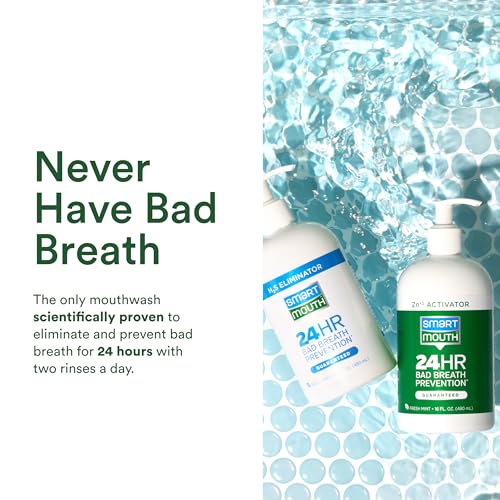
Look for a rinse that describes breath control and clean-mouth feel as lasting benefits, not just a strong mint sensation at the moment of use. For morning-and-night routines, the key failure mode is a formula that tastes intense for 30 seconds but does not keep breath feeling controlled for hours. Owner feedback strongly favors rinses that leave the mouth clean and fresh for hours, with several buyers relying on that sustained breath-freshening performance as part of daily oral care.
Gentle Formula
Mouthwash is used on sensitive oral tissue, so harshness can quickly turn a technically effective rinse into one people avoid. Alcohol-free and low-burn formulas are especially important for shoppers who dislike stinging, tongue irritation, or dry-mouth sensations after rinsing.
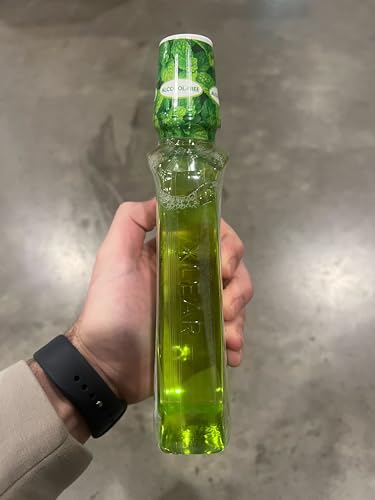
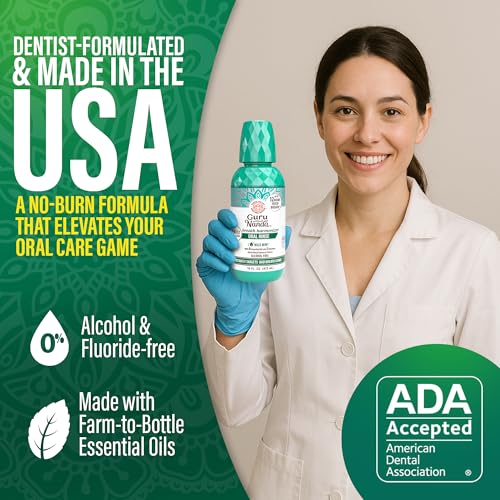
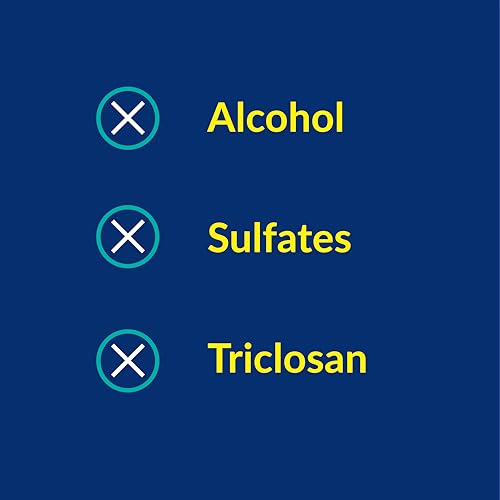
Prioritize alcohol-free formulas if you want a daily rinse that is less likely to sting, burn, or leave the mouth feeling dried out. This is especially relevant for people using mouthwash twice a day, those with sensitivity, or anyone who has abandoned stronger rinses because they felt punishing. Owner sentiment repeatedly highlights alcohol-free rinses as gentle, mild, easy on the tongue, and free of the harsh burn many buyers associate with traditional mouthwashes.
Gum Support
For many shoppers, mouthwash is not just cosmetic; it is expected to support the rest of a dental hygiene routine. A good daily rinse should complement brushing and flossing rather than substitute for them, with benefits that users can notice over consistent use.
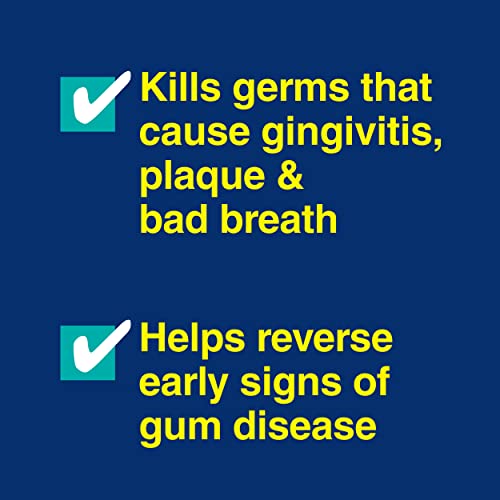
Choose a mouthwash that fits your oral-care goal: general clean-mouth confidence, gum care, or sensitivity support. If gum health is the priority, look for language around gum care and daily oral hygiene support, and be wary of formulas that only emphasize flavor without any functional oral-care positioning. Owner feedback includes strong reports of healthier-feeling gums, less sensitivity, and effective everyday use as part of a dental hygiene routine, which makes functional performance a major separator in this category.
Taste Balance
Flavor determines whether a mouthwash becomes a habit or sits unused. Because rinses stay in the mouth long enough to coat the tongue and cheeks, overly sharp mint, herbal notes, or medicinal aftertastes can be dealbreakers even when performance is good.
Aim for a flavor profile you can tolerate every day: clean mint, mild mint, or herbal-leaning blends all feel different in actual use. Avoid assuming “stronger” means better; overpowering mint, essential-oil intensity, or botanical notes can make daily compliance harder. Owner sentiment supports mild, refreshing mint as easy to keep using, while also warning that stronger wild mint and neem-style notes are more personal and may not suit everyone.
Ingredient Tradeoffs
Mouthwash ingredients affect comfort, taste, and the kinds of tradeoffs a shopper accepts. Some buyers prefer simpler or more natural-leaning formulas, while others focus on avoiding unwanted effects such as discoloration.
Read the label for the active purpose, alcohol status, dyes or colorants, essential oils, and any added vitamins or botanical ingredients. Natural-leaning does not automatically mean gentler for every mouth, and colored formulas can create a specific concern: tooth or surface staining. Owner feedback praises essential-oil and vitamin-inclusive formulas for a cleaner-feeling rinse, but also flags a recurring watch-out that some buyers experienced blue discoloration on teeth.
Routine Value
Mouthwash is a repeat-use product, so bottle size, multi-packs, and included extras can matter as much as the first-use impression. Value is best judged by how often the rinse will be used, whether the bottle size matches the household, and whether the formula’s benefits justify keeping it in the routine.
Compare value by usable volume, expected daily frequency, and whether the bottle format or bundle actually fits your household’s routine. A large bottle or multipack can be practical for regular use, but only if the taste and feel are good enough that it will not be wasted. Owner sentiment often sees larger bottles, two-packs, and bundled oral-care accessories as good value, while also noting that some buyers find certain options pricier than basic mouthwash and judge the tradeoff by bottle size, deal, and lasting freshness.
1,000,000+ shoppers use Buyer's Guide every week to find the best products and services online.

Helping millions of users make smarter purchases online.