







We also considered 10 others:


Our Top Choice
The order above is not editorial opinion, and it is not paid placement. It comes from what shoppers across our network actually do - which teeth whitening mouthwashes they compare, and which they ultimately buy. We re-rank as new data comes in, so the long-term favorites have to keep earning their spot against new entrants. The full method, including how we make money.
Teeth Whitening Mouthwashes Buyer's Guide
Teeth whitening mouthwashes sit in a tricky middle ground: they need enough whitening action to manage coffee, tea, and everyday surface stains, but they still have to be gentle enough for daily contact with gums, tongue, and sensitive enamel. The sharpest buying concerns are whether the rinse can deliver gradual brightening without burn or sensitivity, and whether the taste, freshness, and routine fit are good enough that you will actually use it consistently.
Whitening Power
Whitening mouthwashes usually work best as a daily stain-management step, not as a one-time dramatic treatment. The right pick should make teeth look brighter without creating unrealistic expectations about deep intrinsic discoloration or dental restorations, which will not whiten like natural enamel.
Choose a whitening rinse by matching its whitening method to your stain problem: peroxide-style formulas are typically aimed at oxidizing surface discoloration, while gentler mineral or “clean” formulas are better for maintenance and mild brightening. Expect gradual stain control rather than strip-like overnight shade jumps, and look for clear directions on daily use, contact time, and whether it is meant before or after brushing. Owner feedback strongly supports whitening as a key reason people keep using these rinses, including noticeably whiter-looking teeth, fresher breath alongside brightening, and particular usefulness for coffee-related staining; some buyers also note results require consistent use over time.
Gentle Formula
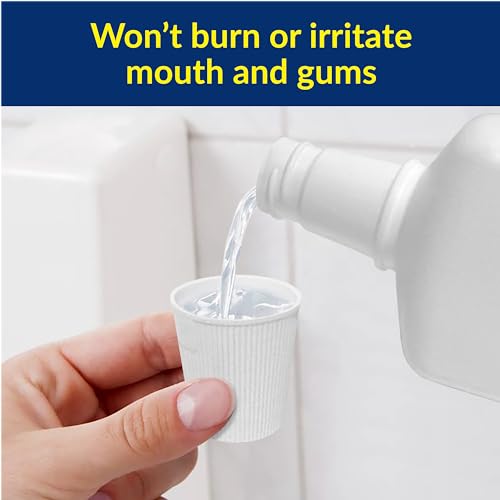
A whitening rinse sits on soft tissue as well as enamel, so comfort and ingredient fit determine whether it can safely become a routine. Sensitivity varies widely, and a formula that feels mild to one person can sting another depending on mouth dryness, gum condition, and other whitening products used.
Prioritize a formula you can tolerate twice daily if needed: alcohol-free options, low-burn flavor systems, and enamel-support ingredients can matter more than maximum intensity for sensitive mouths. If you already get zing from whitening strips, have recession, ulcers, dry mouth, or irritated gums, avoid harsh burn as a sign of “working” and start with a gentler rinse; stop if stinging persists or worsens. Owner sentiment repeatedly favors rinses that whiten without expected sensitivity or harsh mouthwash burn, and buyers specifically value alcohol-free, fluoride-free, peroxide-based, nano-hydroxyapatite, and additive-conscious ingredient profiles; however, some still report individual burning or stinging.
Clean Freshness
Whitening is only useful if the rinse also supports a clean-feeling mouth between brushing sessions. Long-lasting freshness is a practical signal that the product fits everyday oral care rather than acting like a quick cosmetic swish.
A good whitening mouthwash should still behave like a mouthwash: it should leave breath fresher, teeth slicker, and the gumline feeling clean after brushing and flossing. Look for claims and directions that support daily oral hygiene rather than only cosmetic whitening, and be cautious with any rinse that masks odor briefly but leaves residue, dryness, or an unclean after-feel. Owners often connect the better-performing rinses with clean-mouth freshness lasting for hours, cleaner-feeling teeth and gums, breath control morning and night, and even perceived gum-health improvements over time.
Taste & Feel
Whitening mouthwash depends on repeated use, so flavor and mouthfeel directly affect results. Because taste is personal, the best formula is one you can use consistently without dreading the rinse or cutting the contact time short.
Taste is a compliance feature in this category, not a luxury: a whitening rinse that tastes medicinal, overly sweet, or aggressively minty is likely to sit unused before it can brighten anything. Look for mild mint, smooth after-feel, and no lingering odd coating, especially if you dislike traditional high-burn mouthwash. Owner reports show strong appreciation for fresh, tolerable flavors and smooth tooth feel, but taste is also one of the most divisive areas, with some buyers liking the mint while others report unpleasant flavor or aftertaste.
Routine Fit
The best whitening rinse is the one that fits cleanly into brushing, flossing, and any other whitening or sensitivity regimen. Packaging, cap security, and bottle size matter because mouthwash is liquid, often used daily, and commonly packed for travel.
Check how the rinse fits your actual routine: whether it is intended as a pre-rinse, post-brush rinse, morning-and-night step, travel bottle, or companion to whitening toothpaste. If you already use fluoride toothpaste, sensitivity products, aligners, or whitening strips, confirm timing so you are not rinsing away active ingredients or stacking too many whitening steps at once. Owner feedback supports these products as daily add-ons that work best with consistent use, sometimes before whitening toothpaste; buyers also value convenient travel sizing and see gradual results as worthwhile, while leakage in shipping or travel is a real watch-for.
1,000,000+ shoppers use Buyer's Guide every week to find the best products and services online.

Helping millions of users make smarter purchases online.


