

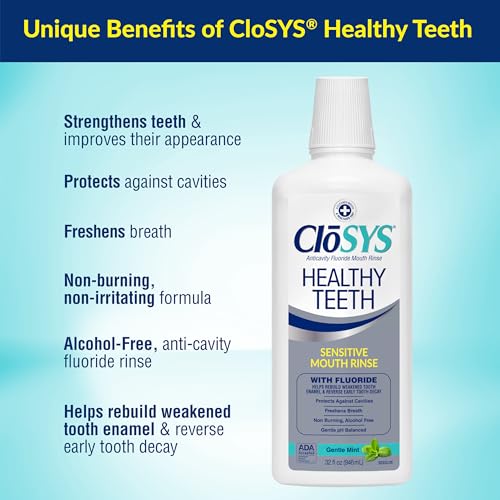





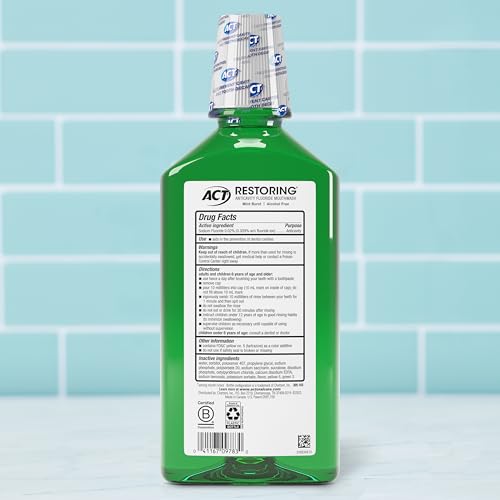


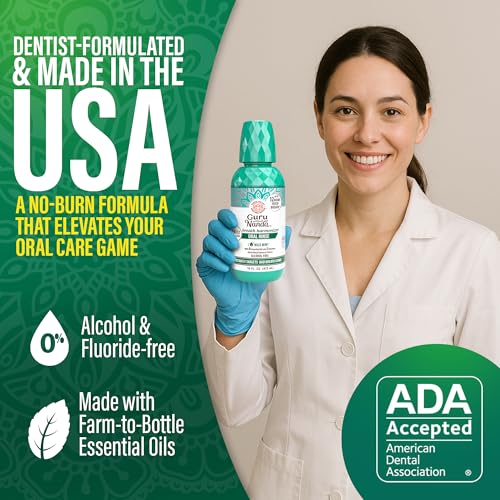


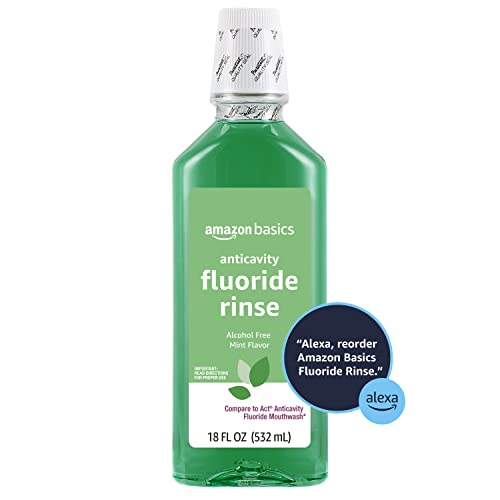



We also considered 10 others:


Our Top Choice
The order above is not editorial opinion, and it is not paid placement. It comes from what shoppers across our network actually do - which fluoride rinses they compare, and which they ultimately buy. We re-rank as new data comes in, so the long-term favorites have to keep earning their spot against new entrants. The full method, including how we make money.
Fluoride Rinses Buyer's Guide
Fluoride rinses are not just breath fresheners: the best choice balances real anticavity fluoride exposure with a formula mild enough to use every day. The sharpest buying concerns are choosing a true fluoride rinse rather than a cosmetic mouthwash, and avoiding burn, dryness, or unpleasant flavor that makes people skip the routine.
Fluoride Fit
A fluoride rinse works by adding fluoride exposure after brushing, which can help support enamel and cavity prevention when used as directed. The most important distinction is whether the product is actually formulated and labeled for anticavity use, not just whether it tastes clean or leaves fresh breath.
Look for a rinse that clearly lists an anticavity fluoride active ingredient, gives age-appropriate directions, and is meant for daily enamel and cavity support rather than only breath freshening. If you have braces, exposed roots, frequent cavities, dry mouth, or a dentist-directed prevention plan, prioritize fluoride purpose over cosmetic claims and confirm whether your routine needs an over-the-counter rinse or a professional recommendation. Owner feedback strongly supports this dimension: people repeatedly connect fluoride content with teeth feeling stronger, cavity protection, enamel support, better checkups, and staying cavity-free.
Mouth Comfort
Fluoride rinses are often used every day, so irritation can quickly turn a good formula into one that sits unused. Alcohol-free and milder formulas are especially relevant for shoppers who already struggle with oral sensitivity, dryness, or strong rinse sensations.
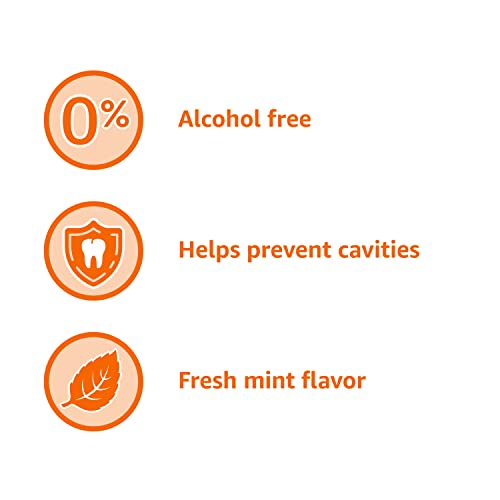
Choose alcohol-free, non-burning formulas if you have sensitivity, dry mouth, canker-prone tissue, or dislike the sting of traditional mouthwash. Avoid assuming a harsher burn means better dental protection; for fluoride rinses, comfort matters because the product only helps if you can use it consistently and hold it in the mouth for the directed time. Owners strongly favor gentle, alcohol-free rinses, especially for sensitive mouths, and several note that hygienist recommendations and dry-mouth routines make mild formulas feel more practical.
Taste & Freshness
Taste is not a cosmetic side issue in this category because fluoride rinses depend on repeated use. A formula that feels clean without being too harsh is more likely to become part of a brushing routine, while a disliked aftertaste can undermine consistency.
Pick a flavor strength you will tolerate every day: mild mint is useful for low-burn routines, while stronger mint may satisfy shoppers who equate rinsing with a bigger freshening sensation. Watch for bitter aftertaste, overly plain flavor, or an overpowering tingle, because taste is one of the main reasons people abandon fluoride rinses before they get routine benefits. Owner sentiment shows freshness is a major strength for many, with clean-feeling breath after rinsing, but flavor is more divisive than performance: some like mildness, while others want more mint or dislike the aftertaste.
Use Safety
A fluoride rinse can be effective only when it is used in the right place in the routine and according to label directions. Safety also matters because fluoride rinses are meant to be swished and spit, with extra caution for children or anyone likely to swallow the product.
Buy with the intended use sequence in mind: fluoride rinses are typically best used after brushing and flossing, then spit out rather than swallow, and avoid immediately rinsing with water or eating and drinking if the directions say to wait. Do not use a fluoride rinse as a stand-in for an antiseptic or gum-treatment mouthwash; if you are trying to manage gingivitis, infection, ulcers, or post-procedure care, check the active ingredients and dental guidance instead. Owner feedback reinforces this distinction, noting that fluoride rinses work best as after-brushing anticavity products and that comfort can vary by formula.
Routine Value
Fluoride rinses are recurring-use products, so small differences in dose size and waste add up over time. The best value is not the largest bottle by itself, but the rinse that delivers the needed fluoride routine without causing skipped use or over-pouring.
Compare the real supply by dose size, bottle count, and how much product the cap or directions require per rinse, not just the size of the package. A bulk option can make sense for a household that already likes the flavor, but it is risky if you have not tested taste, burn level, or aftertaste first. Owners often praise good value when the rinse performs like a dependable daily anticavity option, and some note that a clean minty finish does not require much product per use.
1,000,000+ shoppers use Buyer's Guide every week to find the best products and services online.

Helping millions of users make smarter purchases online.


