

























We also considered 10 others:


Our Top Choice
The order above is not editorial opinion, and it is not paid placement. It comes from what shoppers across our network actually do - which mole repellents they compare, and which they ultimately buy. We re-rank as new data comes in, so the long-term favorites have to keep earning their spot against new entrants. The full method, including how we make money.
Mole Repellents Buyer's Guide
Mole repellents sit in a tricky middle ground: you want tunneling activity to move out of the lawn, but most options repel or redirect rather than guarantee instant removal. The sharpest buying concerns are matching the format to the actual pest and tunnel pattern, applying enough product in the right active areas, and avoiding safety problems around pets, kids, wildlife, or edible garden spaces.
Pest Fit
Mole control fails quickly when the product type does not match the animal or the buyer expects a repellent to behave like an extermination method. Raised tunnels, fresh mounds, vole runways, and gopher holes can call for different placement and different expectations.
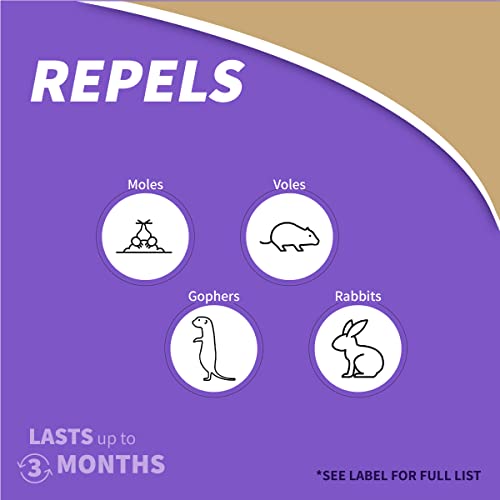
Start by identifying the pest and deciding whether you want repelling, trapping, or killing. Castor-oil-style repellents are best viewed as pressure tools that make treated soil less attractive; they may move activity away but may not remove every animal. Sonic or vibrating stakes are low-contact options but should not be trusted as the only plan for heavy, active tunneling, and poison baits require much more caution because placement and non-target exposure matter. Owner reports support this split: some yards became mole- or gopher-free after repeated applications, while others saw partial improvement, continued digging, or tunnels even around vibrating stakes. Several buyers describe strong mole chasing or dependable pest control, but others report resistance and ongoing mole damage when the treatment did not take hold.
Application Accuracy
Mole repellents are highly application-sensitive because the animal is underground and may simply route around weakly treated soil. The right pattern usually matters as much as the formula, especially when treating fresh tunnels instead of old, abandoned runs.
Look for directions that clearly explain where to start, how to treat active runs, and whether to work from the house or protected area outward so the animal is pushed away rather than trapped under the lawn. Granules should be easy to spread evenly and then watered in; liquid concentrates should mix cleanly for a pump or spot sprayer without leaving oil sitting on grass. For bait-type products, fresh-hole or active-tunnel placement is critical, and they should not be scattered casually over the surface. Owner sentiment backs this up: granules and simple bait applications are often described as straightforward when directions are followed, and liquid applications are manageable through a pump or spot sprayer. At the same time, buyers note that tunnel placement matters and that broad oil spraying can become messy or leave slick, greasy grass if too much remains on the surface.
Coverage Life
A repellent that looks adequate for one small patch may be insufficient for a whole lawn, perimeter, or recurring tunnel network. Rain, irrigation, soil conditions, and new mole movement can all shorten the useful treatment window.
Calculate coverage using the heavier or initial-treatment rate, not just the most optimistic label number, and include the border areas where moles are likely to re-enter. Favor products with clear reapplication timing and a staged treatment plan, because a one-and-done whole-yard approach often underperforms when tunnels are active. If the lawn is large, heavily irrigated, or already covered with fresh runs, assume multiple applications may be needed over days or weeks. Owners frequently report that strong results are not always immediate or permanent and that repeat treatment over a couple of weeks may be necessary. They also flag inconsistent staying power and poor value when multiple bags are needed yet mole activity continues.
Yard Safety
Mole control happens in shared outdoor space, so the safest-looking option still has to fit the way the yard is used. Pets that dig, children who play on the lawn, chickens or other free-ranging animals, and nearby garden beds change what is acceptable.
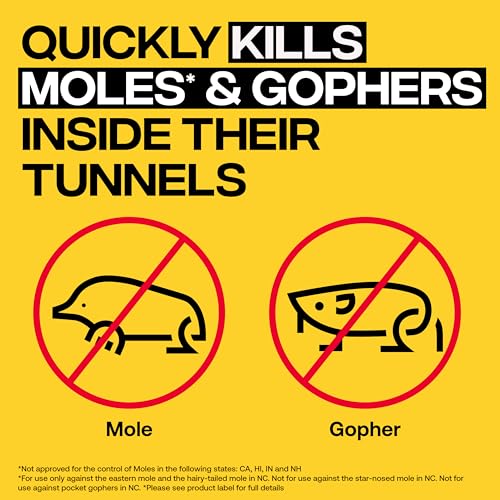
For family yards, start with repellents that clearly state their active ingredients and use pattern, especially castor-oil-style formulas intended to repel rather than poison. Avoid poison baits where pets, wildlife, or backyard animals can dig into runs, and be especially cautious near vegetable beds, compost areas, and places children play. If you do choose a lethal bait, choose one with explicit underground placement instructions and treat it as a restricted hazard, not a casual lawn treatment. Owner sentiment strongly reflects this tradeoff: many buyers are reassured by simple castor-oil-style or all-natural formulas for use around pets, kids, and free-ranging backyard animals. By contrast, some buyers are uneasy using poison even when they need to protect the lawn.
Nuisance Control
A mole repellent can be technically easy to deploy but still annoying to live with if it beeps, leaves residue, interferes with mowing, or fails outdoors. These issues matter most in lawns close to patios, bedrooms, play areas, and property lines.
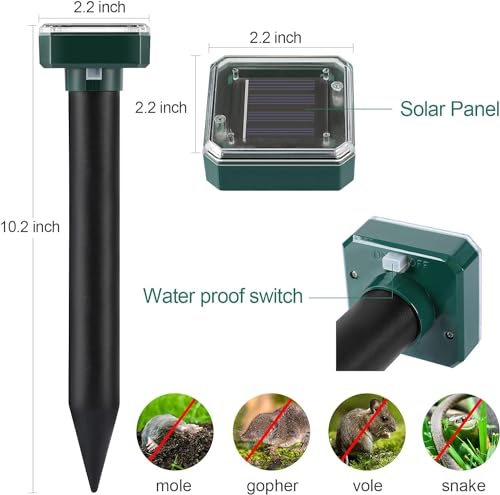
Before buying sonic or vibrating stakes, check whether they make an audible beep and plan placement away from windows, seating areas, and neighbors if sound sensitivity matters. For liquids, avoid heavy surface coating; the goal is treated soil, not slick grass. For outdoor devices, look for sturdy stakes, sealed construction, and a setup that will not be struck by mowers or pulled loose in soft soil. Owners report that beeping can be acceptable when stakes seem to work, but noticeable enough to be annoying near the house. They also report messy oil overapplication, inconsistent results around vibrating stakes, and frustration when units stop working after a few months.
Value Limit
Mole repellents can become expensive when the first treatment only shifts activity or requires repeated coverage. A careful buyer should set a stopping point before paying for repeated applications that do not reduce damage.
Set a trial plan before you start: define the treated area, number of label-following applications, and what counts as success, such as no fresh tunnels in the protected zone. If fresh damage continues after a full treatment cycle, switch tactics rather than simply buying more of the same; that may mean changing format, improving tunnel targeting, adding barriers in small protected areas, or moving to professional control. Factor in replacement risk for electronic devices, because a low upfront cost is not good value if the units fail during the season. Owner feedback repeatedly warns that value depends on whether the treatment works in a given yard. Buyers specifically report poor value when multiple bags are required, infestations continue, mole activity remains after several applications, or devices stop working after only a few months.
1,000,000+ shoppers use Buyer's Guide every week to find the best products and services online.

Helping millions of users make smarter purchases online.


