






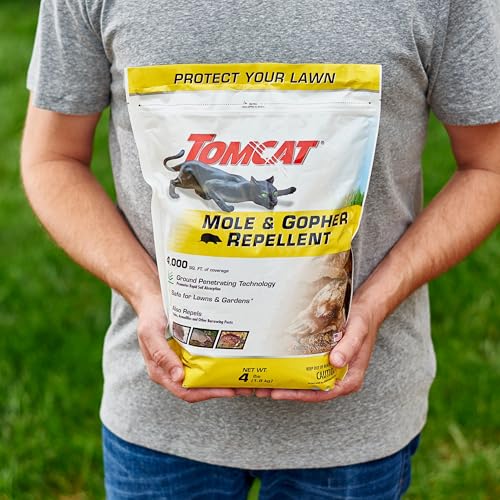





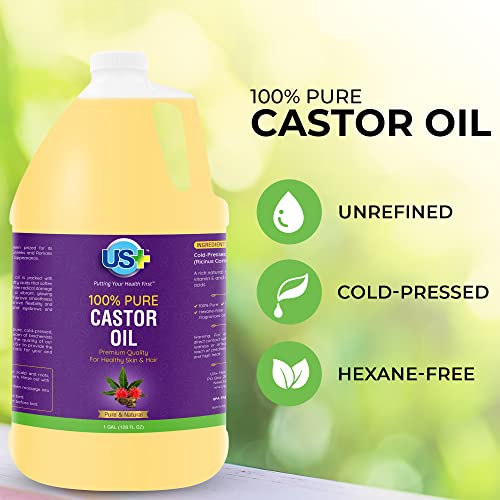


We also considered 10 others:


Our Top Choice
Compare Features


The order above is not editorial opinion, and it is not paid placement. It comes from what shoppers across our network actually do - which castor oils for moles they compare, and which they ultimately buy. We re-rank as new data comes in, so the long-term favorites have to keep earning their spot against new entrants. The full method, including how we make money.
Castor Oils for Moles Buyer's Guide
For mole control, the key tradeoff is coverage and persistence versus mess: castor oil has to reach the tunnel zone without leaving a slick lawn surface. The sharpest checks are whether the product is actually set up for lawn application—not just cosmetic oil—and whether the label gives clear dilution, watering-in, and repeat-application directions for active mole areas.
Results
Results matter because castor oil is usually chosen for a specific outcome, whether that’s softer skin, better hair moisture, fuller-looking lashes, massage comfort, or occasional digestive use. Look for consistent, realistic feedback on the benefit you care about, and be cautious with claims like rapid hair or lash growth, mole removal, major pain relief, or strong digestive effects, since these can vary widely and may require medical guidance.
Prioritize a mole-specific castor-oil repellent or a concentrate with clear yard-coverage, dilution, and reapplication instructions; plain beauty castor oil may be pure but usually needs an emulsifier/sprayer plan to move through soil instead of sitting on grass. Expect repellency rather than instant removal: the best use case is repeated treatment of active runs, perimeter zones, and newly raised mounds, while heavy infestations may need follow-up or other controls. Owner feedback supports this uneven pattern: some buyers report mole- or gopher-free yards after repeat applications, while others see only partial improvement or no change; broad positive reports on hair, lashes, brows, and skin show the oil can be effective in other uses, but those results should not be treated as proof of lawn performance.
Quality
Quality matters because castor oil is often applied directly to skin, hair, brows, or lashes, so you want a product that feels fresh, pure, and trustworthy. Look for organic certification, cold-pressed extraction, a simple ingredient list with only castor oil, and packaging that protects the oil from light; watch out for vague sourcing, added fragrances, fillers, or oils that smell rancid or look unusually cloudy.
For this niche, quality means the castor oil is appropriate for soil application: check for a high castor-oil content, a formula that can disperse in water, lawn-safe label directions, and no unnecessary cosmetic additives, fragrances, or skin-care blends that could complicate yard use. If buying pure oil to mix yourself, cold-pressed, unrefined, hexane-free oil is a useful purity signal, but it still needs proper dilution and a surfactant or soap-compatible mixing method to spray evenly. Owner sentiment often describes these oils as pure, rich, high-quality, and not diluted, and mole-repellent products are also described as strong after repeat applications, which supports choosing a clean, reliable base rather than a thin or heavily modified oil.
Texture
Texture matters because castor oil is naturally thick, and the right consistency affects how easily you can spread it through hair, massage it into skin, or mix it with other oils. Look for a smooth, uniform oil that feels rich but not sticky or gritty, and be cautious if you prefer fast absorption because heavier castor oils can leave a noticeable oily film.
Castor oil is naturally thick, so for mole control you should avoid products or mixing methods that clog hose-end sprayers, pump sprayers, or leave undispersed oil patches on turf; look for emulsifiable concentrates, ready-to-spray formats, or instructions that specify warm-water mixing and agitation. Overapplication can create greasy, slick grass and uneven treatment, especially if the oil remains on the surface instead of being watered into tunnels. Owners commonly like the rich texture for moisturizing uses and say a little goes a long way, but they also note the heavy consistency can feel greasy, be harder to handle in applicators, or be inconvenient—exactly the failure mode to watch for in lawn spraying.
Use
How the oil dispenses and applies affects how often you’ll actually use it, especially since castor oil is thick and can be messy if the bottle or tool is poorly designed. Look for packaging that matches your routine, such as a pump for larger coverage, a roller ball for targeted use, or a narrow opening for controlled drops, and watch for applicators that clog, leak, or make it hard to spread the oil evenly. Versatile options are easier to fit into skin, hair, brow, lash, or massage use without wasting product.
Choose the application format based on the yard and the infestation pattern: granules are simpler for broad lawn coverage, hose-end or pump-spray liquids are better for active tunnels and borders, and pure oil is best only if you are comfortable measuring, mixing, and cleaning equipment. Check the label for how much area one container covers, whether watering-in is required, how soon to reapply after rain or irrigation, and whether children, pets, vegetable beds, or ponds require extra precautions. Owner feedback says granules and directed liquid applications are generally straightforward when directions are followed, and some find castor oil easier than traps or castor beans; however, broad oil spraying can be messy, and multiple applications may be needed.
Value
Because organic cold pressed castor oil can vary widely in bottle size, purity, and packaging, value for money is about more than choosing the lowest price. Look at the cost per ounce, whether the oil is truly organic and cold pressed, and whether the packaging helps preserve freshness. Be cautious with very cheap options that use vague sourcing, additives, or small quantities that make the deal less impressive than it looks.
Judge value by treated square footage and number of repeat applications, not bottle size alone: a large container is only a bargain if it can cover the full tunnel network and be reapplied after rain, new activity, or perimeter breaches. For established mole activity, plan for more than one treatment and compare the total amount needed for the lawn, because underbuying often leads to patchy coverage and disappointing results. Owner sentiment reflects this split: bulk castor oil is often seen as good value because small amounts go far in many uses, but mole-control buyers become dissatisfied when multiple bags or applications are needed and activity continues.
Moisture
You’ll want an organic cold pressed castor oil that leaves your skin feeling moisturized, soft, and comfortable rather than sticky, tight, or irritated. Look for a rich but smooth texture that spreads evenly and absorbs well enough for your skin-care routine, and watch out for oils with added fragrances or fillers if your skin is sensitive.
For moles, “moisture” should be evaluated as water behavior in the lawn, not skin hydration: the product must mix or disperse well enough to be watered into soil where tunnels are active. Look for directions that specify applying to damp soil, watering in after spreading or spraying, and reapplying after heavy rain; avoid leaving thick oil on dry grass, where it may sit on the blades instead of moving into the tunnel zone. Owner feedback strongly praises castor oil’s moisturizing feel on skin and hair and its rich, non-drying texture, which confirms its heavy, coating nature—but that same property means yard users need careful dilution and watering-in to prevent surface greasiness.
1,000,000+ shoppers use Buyer's Guide every week to find the best products and services online.

Helping millions of users make smarter purchases online.


