














We also considered 10 others:


Our Top Choice
The order above is not editorial opinion, and it is not paid placement. It comes from what shoppers across our network actually do - which mildew removers for fabrics they compare, and which they ultimately buy. We re-rank as new data comes in, so the long-term favorites have to keep earning their spot against new entrants. The full method, including how we make money.
Mildew Removers for Fabrics Buyer's Guide
Fabric mildew removers sit in a narrow tradeoff: they must be strong enough to lift black or gray mildew staining from cushions, canvas, and upholstery, yet gentle enough not to bleach dyes, weaken stitching, or leave harsh residue in fabric. The sharpest buying concerns are set-in stain performance, fabric compatibility, and whether the odor and rinsing demands fit the space where the fabric will be cleaned.
Stain Power
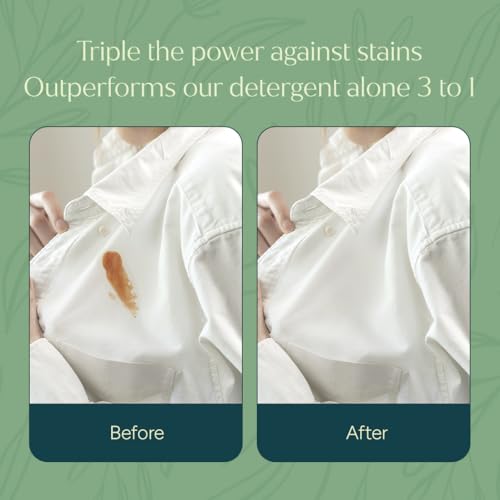
Fabric mildew is not just surface dirt; staining can migrate into weave, seams, piping, and cushion texture. A stronger remover can make the difference between a quick cleanup and a stain that remains visible after repeated washing.
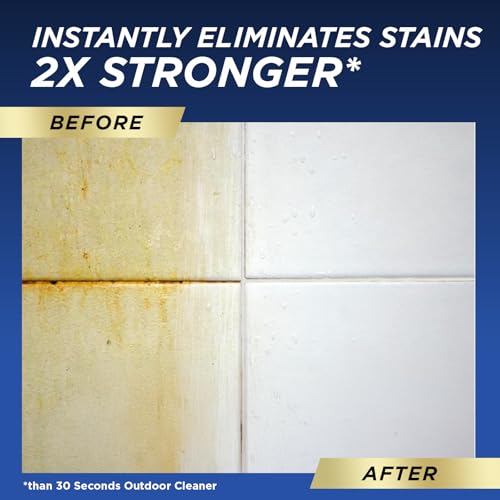
Prioritize a remover specifically labeled for mildew stains on fabric, upholstery, canvas, or outdoor cushions—not just a general fabric freshener. Look for enough dwell time to penetrate textured weave and seams, and expect heavily set-in mildew to need repeat treatment or to remain partly visible; avoid assuming any spray will reverse long-neglected staining. Owner feedback strongly supports this split: many report stubborn mildew lifting from boat seats, cushions, storage areas, live wells, gunk, and scum, while others say severe canvas staining or stubborn spots barely budged even after directions were followed.
Fabric Safety
The best fabric mildew remover must clean aggressively without creating a new problem, such as faded dye, weakened fibers, or damaged water-resistant treatments. This matters most on colored cushions, marine canvas, stitched trim, and mixed-material upholstery where one formula may contact several surfaces at once.
Check compatibility before buying: the label should clearly state whether it is safe for colored fabrics, canvas, vinyl-backed upholstery, stitching, foam-backed cushions, or waterproofed outdoor fabric. Avoid chlorine-heavy or bleach-like formulas on unknown dyes unless you can spot-test first, and test under a seam or hidden flap before treating a large panel; brightening is useful only if it does not leave uneven bleaching. Owners often describe dramatic visual improvement, with upholstery looking brighter and cleaner, but mixed reports also mention bleach or chlorine-like odor and bleaching concerns, making colorfastness and material safety a core buying filter.
Easy Use
Mildew removers vary in how much dwell time, rinsing, and agitation they require. On cushions and fabric panels, easier application reduces over-wetting, scrubbing damage, and the chance of leaving chemical residue in padding or seams.
Choose a spray pattern that can wet the stained fabric evenly without soaking cushion foam, and look for clear directions on dwell time, rinsing, and whether scrubbing is allowed. For upholstery and canvas, a low-scrub formula is preferable because stiff brushing can fuzz fabric, stress stitching, or drive residue deeper; however, removable covers and thick outdoor cushions still need thorough rinsing or wipe-down after treatment. Owner sentiment backs the value of simple application: many praise spray-on use that works after a short wait with rinsing and little to no scrubbing, though some buyers saw limited improvement even after following the instructions.
Odor Control
Mildew products can carry strong active-ingredient odors, and fabric can hold those smells after cleaning. Odor is more than comfort: it affects where you can safely use the product and how long cushions need to air out before being handled or sat on.
For indoor upholstery, enclosed boat cabins, RV cushions, or patio cushions that will be used soon after cleaning, favor low-odor formulas with explicit ventilation guidance. If the formula smells bleach-like or chlorine-like, plan to work outdoors or with strong airflow, keep it away from children and pets during treatment, and allow fabric to dry fully before use; fragrance can make cleaning more pleasant but should not substitute for safety directions. Owners report both sides of this tradeoff: some mildew removers are praised for smelling good while they clean, while others draw mixed comments for noticeable bleach or chlorine-like odor during use.
Restoration Value
Value in this category depends on whether the remover restores usable fabric, not simply how much liquid is in the bottle. Severe mildew, large cushion sets, and repeat applications can quickly change the real cost of a cleaning attempt.
Estimate value by treated area, number of cushions, expected repeat passes, and whether the fabric item would otherwise be replaced. A ready-to-use spray may be convenient for small stains, while larger fabric jobs need enough coverage to avoid running out mid-treatment; for deep, old mildew, budget expectations should account for possible partial results. Owner sentiment is clearly mixed here: many feel the cost is justified when stained cushions or furniture look clean enough to keep, but value complaints are common when the same directions produce little visible improvement.
1,000,000+ shoppers use Buyer's Guide every week to find the best products and services online.

Helping millions of users make smarter purchases online.


