


















We also considered 10 others:

Our Top Choice
The order above is not editorial opinion, and it is not paid placement. It comes from what shoppers across our network actually do - which mildew removers for cars they compare, and which they ultimately buy. We re-rank as new data comes in, so the long-term favorites have to keep earning their spot against new entrants. The full method, including how we make money.
Mildew Removers for Cars Buyer's Guide
Car mildew removers have to work in a much tighter, more delicate space than household cleaners: carpets, seat foam, headliners, seat belts, plastics, weather seals, and HVAC-adjacent areas all react differently. The best choice balances fast mold and mildew stain removal against cabin fumes, material safety, and the risk of soaking surfaces that are hard to dry.
Killing Power
Mildew in cars is not just a surface blemish; it can sit in fibers, seams, padding, and trunk liners. A remover that only lightens the top layer may leave odor or regrowth risk if the affected area stays damp. Stronger performance matters most when the stain is old, dark, or spread across carpet and fabric.
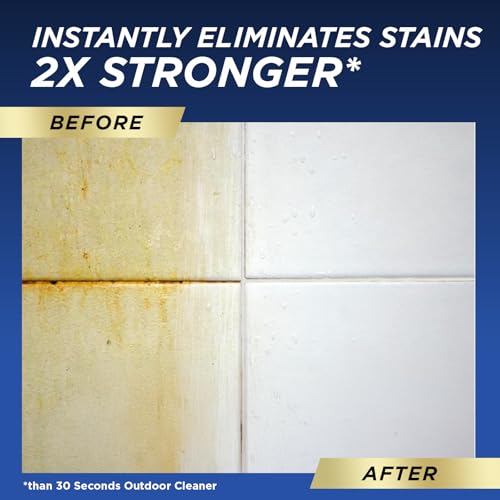
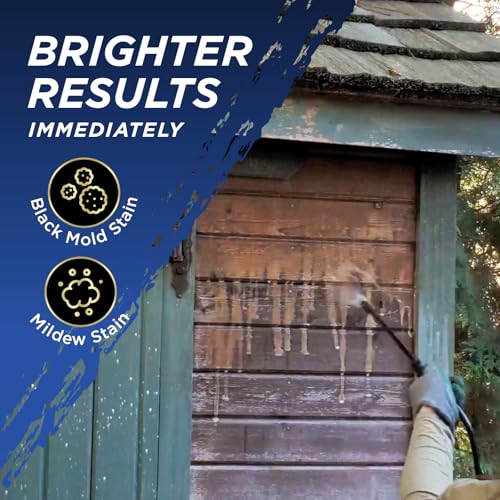
For car use, first separate true mildew discoloration from dirt, food residue, or general mustiness, then choose a remover matched to the job: fast oxidizing formulas can erase dark staining quickly, while gentler cleaners may be safer for fabrics but slower on embedded spots. Look for clear contact-time directions, visible mold/mildew claims, and realistic expectations for porous carpet, trunk liner, and seat seams, where staining can sit below the surface. Owner feedback strongly supports prioritizing raw effectiveness: shoppers report dramatic mold and mildew results where other cleaners failed, and some describe very fast stain removal, though others find performance only average or ineffective on certain buildup.
Cabin Fumes
A cleaner that is tolerable in a bathroom or on outdoor surfaces can feel much harsher inside a car. Fumes can concentrate in upholstery, vents, and closed cabin air, especially if the vehicle is cleaned with the doors shut. Ventilation, protective gear, and drying time are central to safe use in this category.
In a vehicle cabin, fumes matter as much as cleaning strength because you are working inside a small enclosed shell. Favor products with explicit ventilation warnings, PPE guidance, and instructions that let you treat small sections at a time; avoid spraying heavily near vents, electronics, seat controls, child-seat anchor points, or closed garages. Owner sentiment makes this a major buying filter: the biggest complaint is overpowering chemical odor and fumes, and even scented options can feel strong or linger, so assume doors open, fans running, gloves, and eye protection are part of the process.
Surface Safety
Cars combine many materials in a small area, and a formula that works on one surface can discolor, stiffen, stain, or weaken another. Headliners, seat belts, leather, electronics-adjacent trim, and dyed fabrics need extra caution. A good car mildew remover should make compatibility and spot-testing easy to verify before broad application.
Check the label against the exact car surface before buying: carpet and removable mats tolerate different treatment than headliners, leather, suede-like trim, seat belts, painted interior pieces, touchscreen surrounds, and metal hardware. Avoid bleach-like or high-strength stain removers on colored fabric, delicate stitching, leather coatings, and headliner adhesive unless the label clearly allows it and a hidden test spot passes; avoid saturating foam-backed areas because trapped moisture can restart mildew. Owner reports show why this matters: some buyers get excellent tough-mess results, while others find results hit-or-miss depending on the buildup and surface.
Application Control
Mildew removal inside a vehicle is often done on awkward vertical, curved, or textured surfaces. Too much liquid can soak into padding or hidden cavities, while too little contact time may leave stains behind. The right applicator helps deliver cleaner precisely and reduces unnecessary scrubbing or oversaturation.
For interiors, controlled application beats maximum spray volume. Look for an even spray, foam, or targeted stream that can wet mildew without flooding carpet padding, seat foam, or the headliner; for vertical panels and trunk walls, cling and even coverage help prevent streaking and runoff. Owners consistently like spray-and-wait performance and straightforward application, especially when discoloration disappears without long scrubbing, but the best car-specific use still requires blotting, wiping residue, and drying the area completely afterward.
Dry-Down
Mildew grows where moisture remains, so the cleanup is not finished when the visible stain lightens. Cars have hidden absorbent layers that can hold dampness long after the surface looks dry. A good buying choice should fit a process that removes residue, vents odor, and leaves the treated area fully dry.
Do not buy only for stain disappearance; plan for odor removal and complete drying. After treatment, car interiors often need wipe-downs, absorbent towels, open-door airing, sun exposure when appropriate, or a fan to drive moisture out of carpets and seams; if mildew smell returns after the stain fades, moisture may still be trapped under mats, in padding, in the trunk, or around seals. Owner sentiment supports being cautious here: strong chemical and citrus-style odors can linger or divide buyers, so a formula that cleans well but leaves a cabin-smell problem may still be a poor fit.
Coverage Value
Mildew jobs vary widely in size, from a small seat stain to a soaked cargo area. A cleaner that is economical for spot treatment may be inefficient for broad carpet or trunk work if it requires repeated passes. Value depends on coverage, reliability, and whether the formula prevents extra tools, scrubbing, or follow-up cleaners.
Estimate how much area you actually need to treat before choosing: one small spot on a floor mat is very different from a damp trunk liner, multiple seats, or a whole-car mildew cleanup. Concentrated strength, coverage per bottle, and the likelihood of repeat applications matter because some stains need more than one pass and some formulas feel wasteful if results are only average. Owner feedback is mixed on value for money: successful tough cleanups can feel worth it, but buyers who see only average results often view the purchase as a gamble.
1,000,000+ shoppers use Buyer's Guide every week to find the best products and services online.

Helping millions of users make smarter purchases online.


