














We also considered 10 others:




Our Top Choice
Compare Features


Why These Features Matter:
A microwave is one of those appliances you only notice when it’s annoying you. When it’s great, it disappears into the background—quietly reheating your coffee for the third time, melting butter without turning it into a small puddle of regret, and defrosting chicken without cooking the edges into little white rubber bands.
Most people don’t need a microwave that “does everything.” They need one that behaves: heats evenly, doesn’t scream at midnight, and doesn’t require an advanced degree to set 30 seconds. The features below are the ones that actually show up in real life—tiny apartment counters, sticky toddler fingerprints, roommates who slam doors, and the particular chaos of reheating leftovers that weren’t designed to be reheated.
Power That Feels Like Real Life (Not a Number You Brag About)
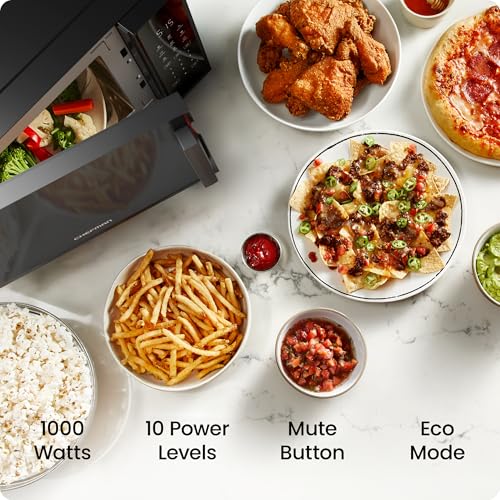
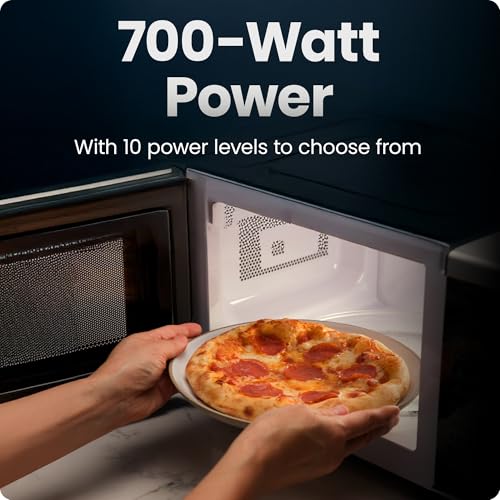
Yes, wattage matters. Not because you’re trying to impress anyone, but because it’s the difference between “hot in the middle, cold at the edges” and “actually edible.” Higher power generally means faster, more even heating—especially on dense stuff like soup, rice, and last night’s pasta that has congealed into a single tragic slab.
- Notable strengths: Faster reheats, less time standing there listening to your mug of tea quietly boil over.
- Things to know: If you upgrade to a more powerful microwave, your old timing instincts might betray you. That “one minute” you’ve always used may suddenly become “one minute of scorched cheese.”
- Honest caveat: More power doesn’t automatically fix uneven heating if the interior design is mediocre (more on that next).
Even Heating Is Mostly About Interior Design (And a Little About Your Patience)
The best microwaves don’t just blast heat; they distribute it. That’s where turntables, rotating antennas, and the overall shape of the cavity come in. You can feel the difference when you reheat something annoying—like a burrito, where the tortilla wants to turn to stone while the filling stays cold and judgmental.
- Notable strengths: Fewer hot spots, fewer cold bites, less aggressive stirring halfway through.
- Things to know: Turntables help, but they can also be a daily micro-annoyance: they pop off track, they need cleaning, and they always seem to have one crumb under them you didn’t earn.
- Honest caveat: “Sensor reheat” can be magical—or wildly overconfident. It’s great until it decides your leftover curry is a delicate pastry and stops early out of fear.
Size Isn’t About Capacity—It’s About Your Cabinets and Your Plates
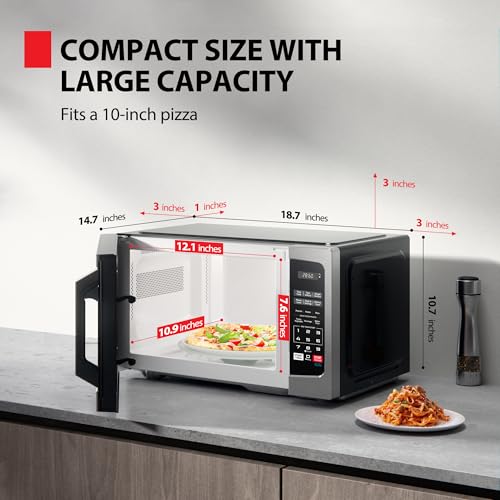
Microwave shopping is where people learn, too late, that their favorite dinner plates are apparently the diameter of a small satellite dish. Capacity matters, but the more immediate question is: will your actual plates fit and spin without making that awful thunk-thunk-thunk noise that sounds like you’re laundering rocks?
- Notable strengths: A roomier interior makes it easier to reheat big bowls of soup, wide plates, and those glass meal-prep containers that never stack neatly anywhere.
- Things to know: External dimensions can be sneaky. Some models look compact but eat counter space because the door swing is enormous.
- Honest caveat: Bigger often means heavier. If you’re in a rental with a questionable shelf situation, “hefty” becomes a lifestyle choice.
Controls: If You Need a Manual, It’s Already Lost
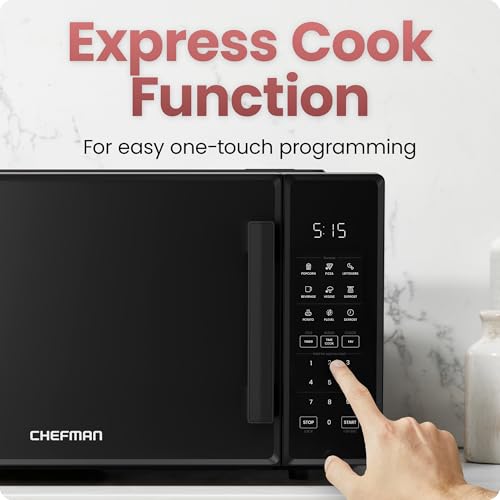
The best microwave interface is the one you can operate while half-asleep, holding a crying baby, or negotiating with a dog who thinks the beep means dinner. Good controls are legible, intuitive, and forgiving. Great controls include a dedicated “add 30 seconds” button that doesn’t make you feel like you’re decoding a safe.
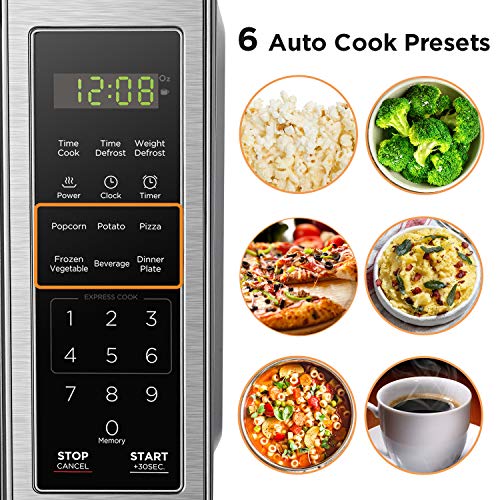
- Notable strengths: One-touch presets that actually align with how people eat (reheat, defrost, popcorn) instead of weird niche buttons no one asked for.
- Things to know: Touch panels look sleek, but they’re also fingerprint galleries. Physical buttons can be less elegant but more reliable when your hands are wet or greasy.
- Honest caveat: Some microwaves insist on you pressing “Stop/Clear” like it’s a moral requirement before you do anything else. You will resent this within a week.
The Door Matters More Than You Think (Especially at 11:48 p.m.)
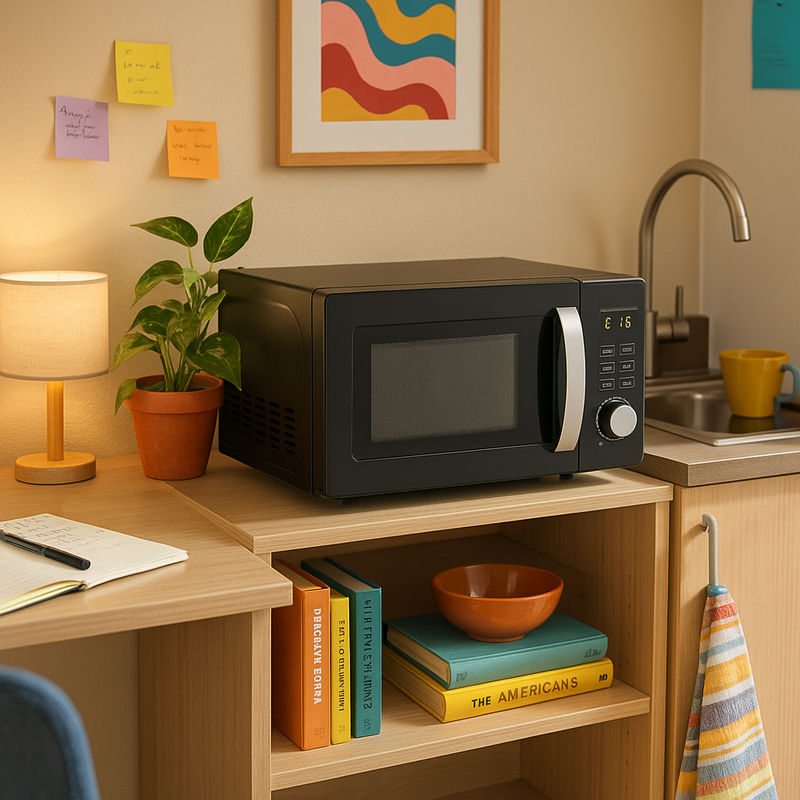
Microwave doors have personalities. Some glide open with a gentle press. Others require a firm jab that makes the whole unit skid backward like it’s trying to escape. If you’re in a small kitchen, that repeated scoot becomes a daily annoyance—and also a crumb redistribution system.
- Notable strengths: Smooth-open doors and stable feet that don’t wander across the counter.
- Things to know: A handle can be easier than a push-button if you have limited dexterity—or if you just don’t want to punch your appliances as a ritual.
- Honest caveat: Some doors are loud. Not “charming industrial” loud—more “everyone in the apartment knows you’re reheating pizza” loud.
Noise, Beeps, and the Social Politics of the Kitchen
Microwaves are noisy in two ways: the actual hum/fan sound, and the beeping that announces your late-night snack like a public service alert. The hum is usually tolerable; the beeps are where relationships are tested.
- Notable strengths: Models with a quieter fan and a mute option (or at least a low-key beep).
- Things to know: Some microwaves keep beeping until you open the door, which feels less like a reminder and more like a tiny appliance holding you emotionally hostage.
- Honest caveat: Even “quiet” microwaves still sound like a microwave. If you’re hoping for library silence, you’re shopping in the wrong category.
Defrosting: The Feature That Reveals a Microwave’s True Character
Defrost is where the liars get exposed. A decent microwave defrosts without partially cooking the edges. A great one makes you feel like an organized person who buys frozen fish on purpose, not someone who forgot to plan dinner again.
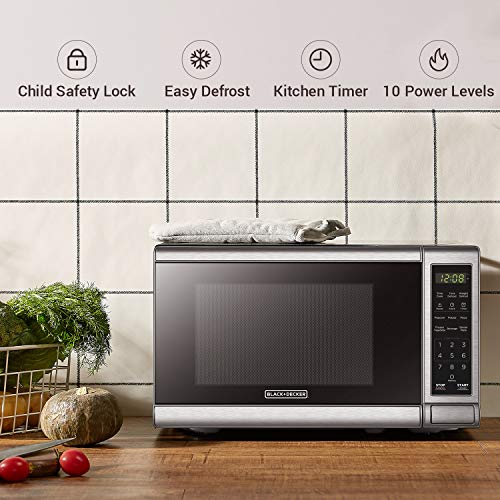
- Notable strengths: Defrost programs that don’t turn chicken corners into cooked nuggets while the center remains an ice cube.
- Things to know: Weight-based defrost can work well—if you’re willing to guess the weight of your mystery-wrapped freezer item with the confidence of a contestant on a game show.
- Honest caveat: You’ll still need to flip and rearrange food sometimes. Microwaves can’t fix physics, only negotiate with it.
Easy Cleaning Is a Lifestyle, Not a Bullet Point
Microwave interiors get gross in a very specific way: splatters that dry into a fine, fossilized mist. The difference between “easy to wipe down” and “I need to crawl inside with a toothbrush” is huge, especially if you cook anything with sauce.
- Notable strengths: Smooth interiors, minimal seams, and a turntable you can lift out without performing a delicate balancing act.
- Things to know: Dark interiors can hide splatters, which sounds helpful until you realize you’ve been living with a secret marinara mural for months.
- Honest caveat: Stainless exteriors look sharp and also show every fingerprint. If you have kids, assume the front will become a sticky museum exhibit.
Countertop vs. Built-In vs. Over-the-Range: The Reality Check
Microwaves aren’t one-size-fits-all because kitchens aren’t either. The “best microwave” for you might be the one that doesn’t eat your only prep space, doesn’t require an electrician, and doesn’t turn your cabinet into a sauna.
- Notable strengths:
- Countertop: Flexible, usually easier to replace, no commitment issues.
- Built-in: Sleeker look, frees up counter space, feels grown-up.
- Over-the-range: Saves space, doubles as a vent (sometimes… sort of).
- Things to know: Over-the-range models often have ventilation that’s fine for steam and less fine for actual cooking smoke. If you sear a lot, you’ll still want real ventilation.
- Honest caveat: Built-ins and OTR models can be pricier to install and more annoying to replace—especially if your cabinet cutout is oddly specific, like it was designed around a microwave that no longer exists.
The “Nice-to-Have” Features That Are Actually Nice (Sometimes)
Some extras are genuinely useful; others are the microwave equivalent of a phone with 18 camera modes you never touch.
- Worth considering:
- Quick-start / add-30-seconds: The closest thing to joy a microwave can offer.
- Mute mode: Essential if you live with light sleepers, babies, roommates, or your own fragile conscience.
- Interior lighting that’s bright enough to see: Helps prevent “surprise boil-over” situations.
- Keep warm: Handy if you’re herding kids or assembling dinner in stages.
- Proceed with skepticism:
- Air-fry/convection combos: Can be useful, but they’re often compromises. Great if you truly need one appliance to do two jobs; less great if you expect it to replace a real oven and be a great microwave.
- Endless presets: If you’ve never once thought “I wish I had a button specifically for oatmeal,” you don’t need 20 of them.
Things I’d Decide Before You Buy (So You Don’t Hate It Later)
- How you reheat most: Plates? Bowls? Tall mugs? Wide meal-prep containers? Your microwave should accommodate your actual dishes, not an imaginary life where you eat neatly from standardized bowls.
- How much you care about quiet: If you do late-night everything, prioritize mute and a softer door.
- How precious your counter space is: In a studio, a microwave can feel like an unwanted roommate. Consider slimmer footprints or mounting options.
- How honest you are about cleaning: If you’re not wiping it weekly, choose an interior that’s forgiving and easy to access.
The Practical Take: What “Best” Looks Like in a Microwave
The best microwaves are boring in the most flattering way. They heat evenly. They don’t shriek. They don’t require you to press five buttons to do the thing you do 90% of the time. They fit your plates. They don’t wander across the counter every time you open the door. And they clean up without you needing to stage an intervention.
If you buy a microwave and never think about it again—except to occasionally wipe out a small constellation of tomato sauce—congratulations. That’s the good life.
1,200+ shoppers have used Buyer's Guide in the last week to help find the best Microwaves.

Helping millions of users make smarter purchases online.

