
















We also considered 10 others:


Our Top Choice
Compare Features


The order above is not editorial opinion, and it is not paid placement. It comes from what shoppers across our network actually do - which cheap microwaves they compare, and which they ultimately buy. We re-rank as new data comes in, so the long-term favorites have to keep earning their spot against new entrants. The full method, including how we make money.
Cheap Microwaves Buyer's Guide
Cheap microwaves are a tradeoff between saving money and accepting smaller cavities, lower wattage, and less robust long-term construction. The sharpest checks are whether it actually fits your plates and counter clearance, and whether its wattage and interior coating are good enough for the way you reheat food every day.
Quality
You want a microwave that feels solid, runs consistently, and holds up to daily door pulls, spills, heat, and vibration over time. Look for sturdy hinges and latches, well-fitted panels, easy-to-clean interior materials, and controls that don’t feel flimsy; watch out for thin construction, loose doors, peeling interior coatings, or complaints about early failures.
For a cheap microwave, judge quality by the parts most likely to fail first: the door latch should close cleanly without flex, the turntable should sit securely, the interior coating should be smooth with no exposed seams, and the control panel should respond consistently. Budget models can be perfectly adequate for reheating, but avoid any unit with reports of peeling paint, rust, buzzing that worsens, or early loss of power, because repair usually is not worth it in this category. Owner feedback supports that the best cheap microwaves are seen as straightforward, capable everyday appliances with simple setup, easy clocks, wipe-clean interiors, and reliable basic use, though durability complaints make build quality worth checking carefully.
Size
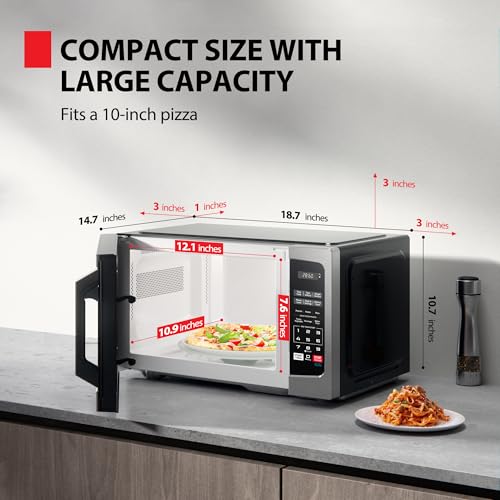
Size matters because your microwave needs to fit both your space and the dishes you use most. Check the exterior dimensions against your countertop, cabinet, or built-in opening, and make sure there’s enough clearance for ventilation and the door swing. Also compare interior capacity and turntable size, since a compact model may fit the spot but struggle with larger plates, bowls, or casserole dishes.
Measure both the outside footprint and the usable interior before buying, because cheap compact microwaves often save counter space by sacrificing cavity height, turntable diameter, or clearance around the vents. For dorms, offices, RVs, shelves, and tiny apartments, look for a unit that still fits your largest everyday dinner plate and has enough rear and side clearance for ventilation; do not assume every “compact” model can handle full-size plates or taller mugs. Owner sentiment strongly supports compact size as a major advantage, with shoppers liking models that fit crowded counters, apartments, shelves, studios, and RVs while still handling normal plates and single-meal portions.
Value
A microwave’s value for money comes down to whether its everyday performance and useful features justify what you pay. Look for reliable heating, intuitive controls, the right capacity for your kitchen, and features you’ll actually use; watch out for paying extra for flashy presets, oversized designs, or premium finishes that don’t improve how well it cooks.
The best value in a cheap microwave is not the one with the most presets; it is the one that covers your actual use—reheating leftovers, warming drinks, defrosting small portions, and simple timed cooking—without paying for features you will ignore. Prioritize a stable door, readable controls, adequate wattage for your patience level, and a size that fits your space, since a too-small or underpowered unit can feel like a bad buy even if it costs less. Owner feedback backs this up: buyers tend to feel satisfied when a compact microwave handles the basics reliably, uses straightforward controls, and feels well made enough for dorms, small apartments, and everyday small jobs.
Features
You’ll want a microwave with functions that match how you actually cook, whether that means simple reheating, defrosting, sensor cooking, convection baking, air frying, or multi-stage programs. Look for presets that are genuinely useful and easy to adjust, and watch out for models loaded with modes you won’t use or controls that make basic tasks slower.
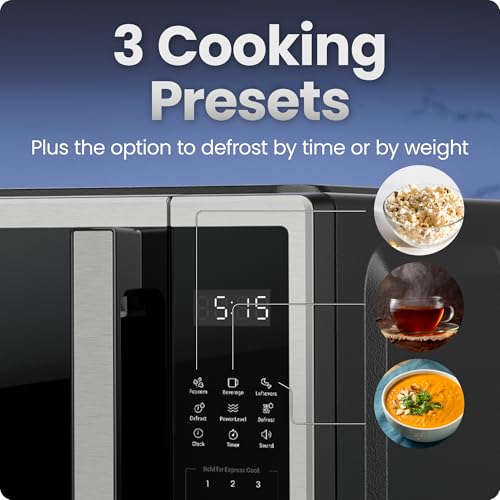
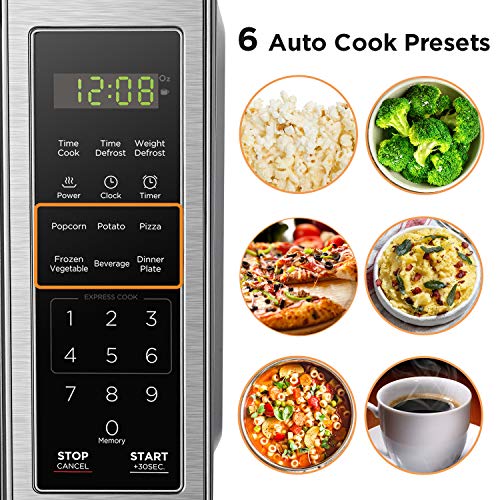
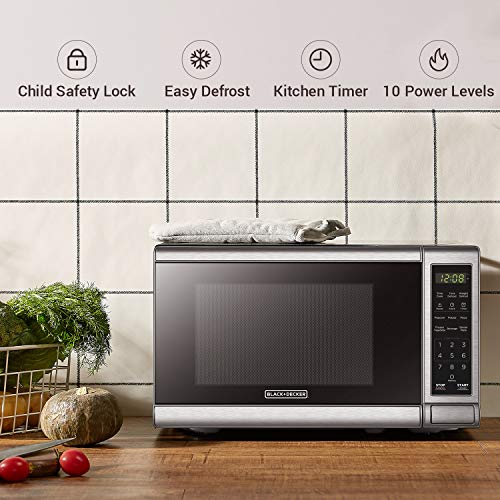
For cheap microwaves, useful features are practical safety and control basics: add-time or 30-second start, clear power-level adjustment, defrost by time or weight, a kitchen timer if you need it, a child lock for homes with kids, and a turntable you can remove for cleaning. Be cautious of feature-heavy panels on very low-cost models if they make basic timed cooking harder, and inspect for interior coating durability because cracked paint or rust can become a bigger issue than missing presets. Owners most often praise simple controls, child safety locks, dependable basic reheating, and easy cleaning, while durability reports flag early issues, cracked paint, and rust as the main feature-related watch-outs.
Heating
You want a microwave that heats food quickly without leaving cold centers, overcooked edges, or unevenly warmed leftovers. Look for sufficient cooking power for your typical portions, but pay attention to heat distribution as much as wattage, since strong heating performance should warm soups, plates, and dense foods consistently. Watch out for models that require excessive stirring, rotating, or added time to get reliable results.
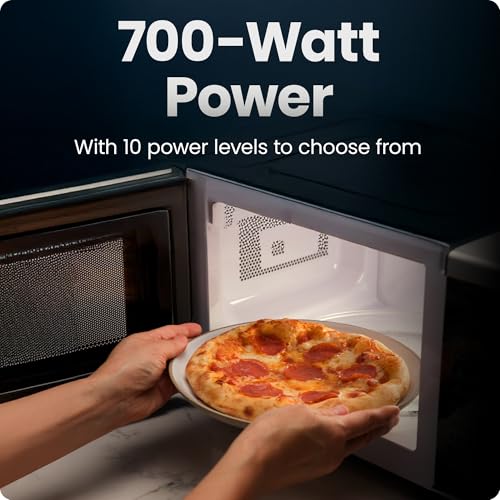
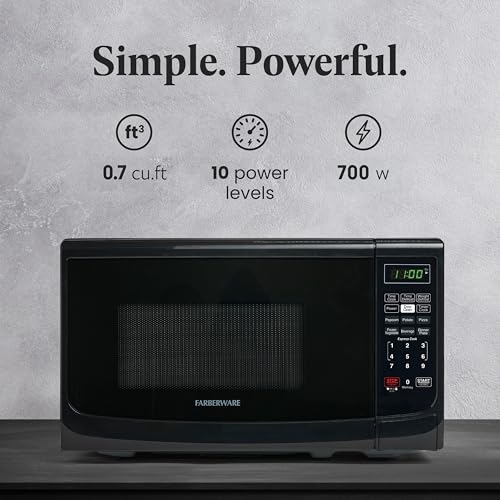
Match wattage to expectations: many cheap compact microwaves are around lower-power territory, so they can reheat soup, leftovers, and drinks well but may need extra time for frozen meals, dense foods, or larger portions. If you regularly cook frozen entrees, heat multiple servings, or want faster, more even results, choose the highest practical wattage and a turntable that rotates smoothly; if you mainly warm single plates, lower power may be acceptable. Owner sentiment is consistent with this tradeoff: many buyers say basic reheating is quick and dependable, but compact, lower-watt models can take longer and sometimes draw complaints about hot spots, cold spots, inconsistent power, louder buzzing, or early heating problems.
Usability
You’ll use a microwave in quick, repetitive moments, so controls that are clear, responsive, and logically laid out can matter as much as power. Look for simple setup, readable buttons or displays, useful presets that don’t feel confusing, and a door or drawer action that opens smoothly and feels secure. Watch out for cramped keypads, overly complex menus, or drawer operation that requires awkward reach or extra force.
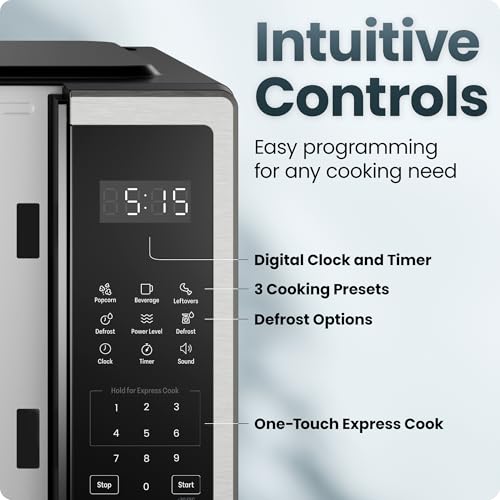
Choose controls you can operate without the manual, especially if the microwave will be used in a dorm, shared kitchen, office, rental, or by guests and older family members. Look for clear number buttons or simple time-entry controls, an easy-to-set clock, a visible display, one-touch start, and a cleanable interior; avoid interfaces that hide basic timed cooking behind too many presets. Owner feedback strongly supports simplicity here, with buyers repeatedly appreciating approachable setup, uncomplicated day-to-day operation, useful presets, easy timed cooking, child locks, and interiors that wipe clean.
1,000,000+ shoppers use Buyer's Guide every week to find the best products and services online.

Helping millions of users make smarter purchases online.


