








We also considered 10 others:


Our Top Choice
The order above is not editorial opinion, and it is not paid placement. It comes from what shoppers across our network actually do - which long range walkie talkies they compare, and which they ultimately buy. We re-rank as new data comes in, so the long-term favorites have to keep earning their spot against new entrants. The full method, including how we make money.
Long Range Walkie Talkies Buyer's Guide
Long-range walkie talkies are bought for the moments when phones are inconvenient, unavailable, or too slow—but the real tradeoff is that range claims depend heavily on terrain, antennas, power limits, and obstructions. The best choice is not simply the radio with the biggest advertised distance; it is the set that stays intelligible, powered, rugged, and easy to coordinate across the exact farm, jobsite, neighborhood, park, warehouse, or emergency setting where it will be used.
Real Range
Range is the defining promise of this category, but it is also the easiest spec to misunderstand. Buildings, elevation changes, vegetation, metal structures, and radio regulations can matter more than the headline distance claim.
Shop first for real-world range in your terrain, not the largest number printed on the box. Open fields, ridgelines, farms, and acreage are much easier for radios than wooded hollows, concrete buildings, metal warehouses, dense neighborhoods, or vehicles; if you need true long-distance coverage, look for higher legal transmit power, good antennas, repeater compatibility where applicable, and radios that match the band and channels your group will use. Treat advertised maximum range as an ideal line-of-sight figure, and plan for drop-off when walls, hills, trees, or distance get between users. Owner feedback strongly supports this reality: range is often a major strength across farms, neighborhoods, jobsites, parks, acreage, and spotty cell-service areas when expectations match the terrain. At the same time, owners repeatedly warn that many sets do not come close to advertised maximums, and that walls, terrain, or distance can make signal and sound fall off sooner than expected.
Clear Audio
A long-range radio is only useful if the message can be understood quickly. Clear audio reduces repeats, mistakes, and missed instructions when users are spread out, moving, or dealing with background noise.
Prioritize intelligible speech over loudness alone: look for clear speakers, effective squelch, good mic pickup, enough volume for wind or machinery, and accessory support for headsets or speaker mics if the radios will be used on worksites, farms, events, or in vehicles. For group coordination, quick push-to-talk response and low clipping at the start of transmissions matter, because a missed first word can turn a clear signal into a confusing message. Avoid sets that sound harsh, muffled, or inconsistent at the edge of range, since that is where long-range radios are most likely to fail the job. Owners consistently value clear audio for dependable communication, especially in work settings where avoiding miscommunication matters. Sentiment also shows that signal and sound can be clear at close range but degrade when obstructions or distance increase, so clarity should be judged together with range rather than as a separate luxury.
Rugged Build
Long-range radios are often used where phones are least convenient: outdoors, on worksites, around vehicles, or during outages. A fragile radio can fail from drops, dust, moisture, or rough handling before its range or battery life ever becomes the limiting factor.
For outdoor, farm, jobsite, kids’, or emergency use, choose radios with a rugged shell, protected buttons, secure belt clips, sealed accessory ports, and a meaningful dust or water-resistance rating if rain, mud, snow, or washdowns are possible. Drop resistance matters because handheld radios often get clipped to belts, tossed into vehicles, used with gloves, or handled by multiple people. Common failure points to inspect are cracked housings, loose knobs, weak clips, exposed charging contacts, and battery doors that can pop open after a fall. Owner sentiment strongly favors durable sets: buyers describe reliable radios that withstand daily farm, jobsite, outdoor, kid, and rough-use conditions while staying in good shape. Overall build quality is repeatedly tied to confidence, reliability, and satisfaction.
Battery Setup
Battery life determines whether radios are dependable for a full shift, trip, event, or outage. Charging convenience and replaceable power options matter as much as rated runtime because radios are commonly used in groups, not one at a time.
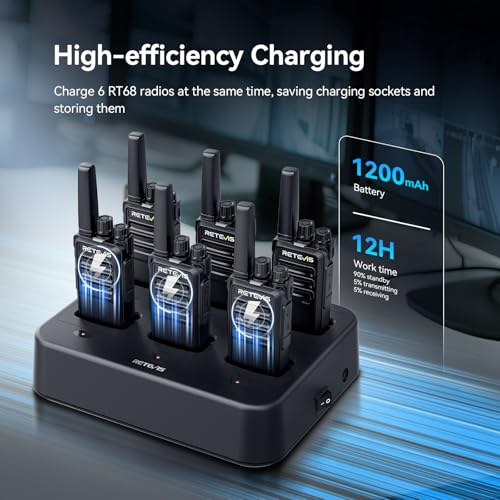
Match the battery system to your use pattern: all-day work crews need swappable packs, multi-bay charging, clear battery indicators, and dependable standby time, while emergency kits benefit from radios that can charge from common USB power or accept replaceable cells. Check whether the stated runtime assumes mostly standby use, because frequent transmitting, high power, cold weather, weather alerts, and scanning can drain batteries faster. Avoid kits that require awkward charging for every unit or make replacement batteries hard to source. Owners often praise battery life as part of overall reliability, especially for regular outdoor work and monitoring broadcasts. Sentiment is not uniform, though: some buyers are happy with runtime and multi-radio value, while others wish the charging setup or long-term battery longevity were better.
Easy Controls
Walkie talkies are usually bought as a communication system, not as isolated devices. If channels, codes, controls, or licensing needs are confusing, the group may lose time or fail to connect when quick coordination matters.
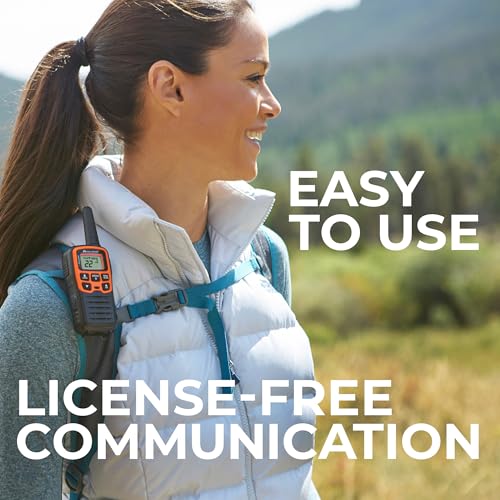
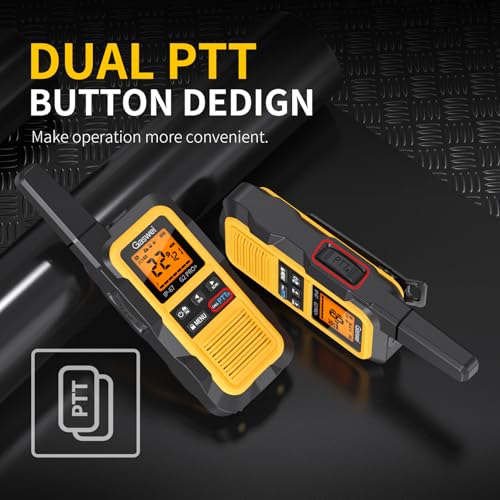
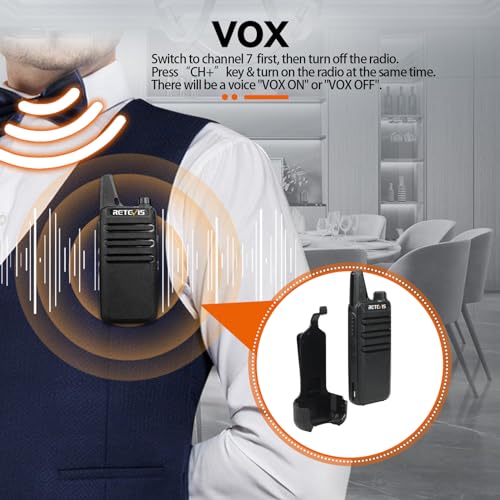
Look for controls that make group communication simple under pressure: easy channel selection, keypad or channel lock, clear display, usable volume and power buttons, privacy-code support for reducing chatter, and fast push-to-talk response. Make sure every radio in the group can use the same band, channel set, and privacy-code system; also remember that privacy codes reduce unwanted noise but do not make conversations secure. If you need local weather, emergency monitoring, hands-free use, or repeater operation, confirm those features before buying and check any licensing requirements that apply to the radio type. Owners praise simple setup and responsive everyday communication once radios are within usable range. They also value built-in radio features for outdoor work and monitoring local broadcasts, which makes control layout and feature fit more important than a long spec list alone.
Kit Value
In this category, value comes from a dependable communication setup rather than a single impressive specification. Radios that include the right accessories, charging method, durability, and group compatibility can save frustration over time.
Judge value by the whole working kit: number of radios, chargers, batteries, belt clips, earpiece compatibility, weather or emergency features, warranty support, and whether the radios deliver enough range and clarity for your actual setting. A cheaper multi-pack is not a good value if the batteries are hard to charge, the audio is weak, or the range collapses where you need coverage; likewise, extra features matter only if they support your use case. For families, crews, events, and preparedness kits, buying a consistent set can be more practical than mixing incompatible radios later. Owner sentiment shows strong value when buyers receive multiple rugged radios with respectable range, clear audio, and useful battery life. The mixed feedback on range and battery setup also shows why value should be measured by dependable performance in context, not by quantity alone.
1,000,000+ shoppers use Buyer's Guide every week to find the best products and services online.

Helping millions of users make smarter purchases online.