

















We also considered 10 others:


Our Top Choice
The order above is not editorial opinion, and it is not paid placement. It comes from what shoppers across our network actually do - which 2 way radios for cruise they compare, and which they ultimately buy. We re-rank as new data comes in, so the long-term favorites have to keep earning their spot against new entrants. The full method, including how we make money.
2 Way Radios for Cruises Buyer's Guide
On a cruise, the hardest tradeoff is not advertised “maximum range” but whether a radio can stay intelligible through steel decks, cabin corridors, crowds, and port stops. A good cruise pick should be compact enough to carry all day, simple enough for every traveler to use, and able to recharge easily in a cabin with limited outlets.
Ship Range
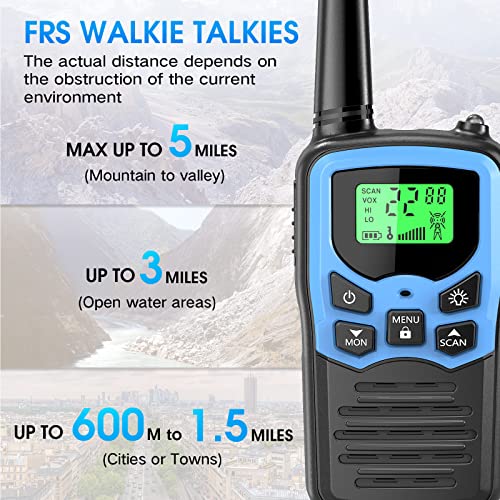
Cruise ships are difficult radio environments because metal structure, elevators, interior corridors, and multiple decks can reduce usable range far more than open-air claims suggest. Clear reception at short-to-medium distances is usually more important than the largest advertised range number.
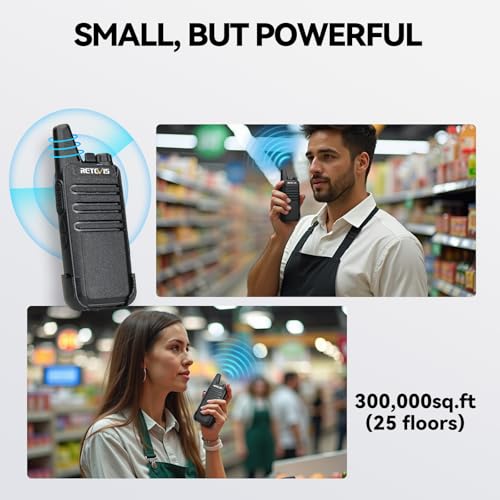
Prioritize radios with strong short-range clarity, multiple usable channels, and enough output for crowded decks, but avoid assuming any handheld radio will reliably reach from a low interior cabin to an upper deck through several steel floors. For cruises, treat radios as a convenience for nearby ship areas, terminals, excursions, and open decks—not as a guaranteed whole-ship locator or emergency tool. Owner feedback supports this distinction: buyers often report clear communication, strong reception, and little static in everyday settings such as travel groups, tours, stores, neighborhoods, and staying in touch around a ship, while also noting that range is more situational through obstacles or demanding settings.
Battery
A cruise radio is only useful if it lasts through breakfast, pool time, excursions, dinner, and evening activities without constant charging. Charging style also matters because cabins may have limited outlets and groups often need several radios topped up at once.
Look for radios that can cover a full day of intermittent use, have clear battery indicators, and recharge by USB-C, a multi-unit dock, or another travel-friendly method that fits your cabin setup. If several people will carry radios, check whether the charger can handle the whole set without monopolizing every outlet, and avoid models that require obscure proprietary cables unless spares are easy to pack. Owner sentiment strongly backs battery life as a key separator: buyers describe long-lasting charge, full-day outings, full-weekend use, and convenient USB-C or charging-station recharging.
Channels
Cruise use can involve ship rules, port-country regulations, and crowded shared radio channels, so channel choice is more than a convenience feature. Privacy codes reduce unwanted chatter but do not make conversations private, and higher-power or license-required channels may not be appropriate for every traveler.
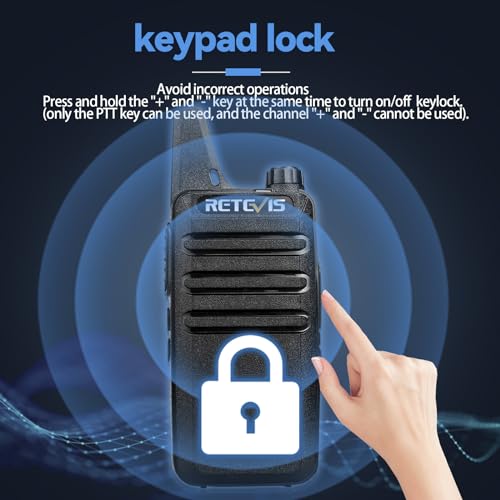
Choose radios that let your group set a shared channel and privacy code easily, lock the keypad, and switch channels quickly if you run into other guests using the same frequency. For family cruise use, favor license-free options where legally appropriate, and check the cruise line’s policy plus local rules for ports before transmitting; avoid relying on “privacy” codes for sensitive information because other radios can still receive the transmission if configured correctly. Owner feedback most directly supports simple, ready-to-use operation for family and group use, which is especially important when changing channels or handing radios to less technical travelers.
Carry Ease
Radios on a cruise are carried during meals, pool visits, shows, excursions, and crowded embarkation areas, so size and controls affect whether people actually keep them with them. Simple operation matters because one confusing radio can break communication for the whole group.
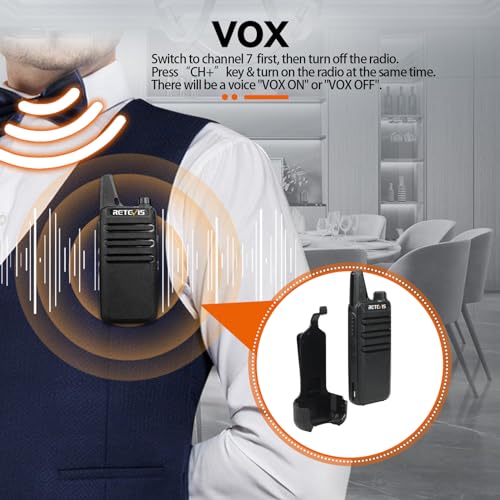
For cruise carrying, look for a compact body, secure belt clip or lanyard point, easy push-to-talk button, readable display or clear channel indicators, and a keypad lock to prevent accidental channel changes in a bag or pocket. Avoid bulky radios that get left in the cabin, and be cautious with tiny buttons if children, older travelers, or anyone with limited dexterity will use them. Owner reports consistently favor small, lightweight radios with simple controls that are easy to carry, clip on, and operate without much learning curve, and several buyers describe sets as working right away for families or groups.
Durability
Cruise radios get tossed into backpacks, clipped to waistbands, handled by different people, and exposed to humidity, sun, and occasional splashes. Durable construction reduces the chance that one failed handset leaves part of the group unreachable.
Choose radios with sturdy casing, secure battery doors, firm clips, and preferably some splash resistance if they will be used near pools, beaches, tenders, or rainy port excursions. Avoid fragile-feeling clips, loose charging contacts, or designs that depend on easily lost battery covers, because cruise use involves constant movement and shared handling. Owner sentiment supports durability as a real differentiator: buyers describe some sets as solid, portable, well made, durable through day-to-day use, and strong enough for regular outings, though some also report that long-term toughness can vary in more demanding settings.
Audio Value
Cruise environments are noisy, with wind, music, crowds, engines, and announcements competing with radio audio. A good set should deliver understandable voices and include the right number of handsets and charging accessories for the whole travel party.
Prioritize clear speaker audio, enough volume for outdoor decks, a useful call alert or vibration option, and a handset count that matches your group without forcing people to share. If you plan to use earpieces for discretion during shows, dining areas, or excursions, confirm headset compatibility before buying; avoid sets that sound clear only in quiet rooms. Owner feedback repeatedly highlights clear communication, good sound quality, little static, and strong perceived value when performance, range, sound, durability, battery life, and included charging gear meet group needs.
1,000,000+ shoppers use Buyer's Guide every week to find the best products and services online.

Helping millions of users make smarter purchases online.


