
Join the millions that have trusted BuyersGuide.org to help them make smarter buying decisions. Let our independent expert reviews and data-driven shopping recommendations help you find the HP laptop that's right for you.

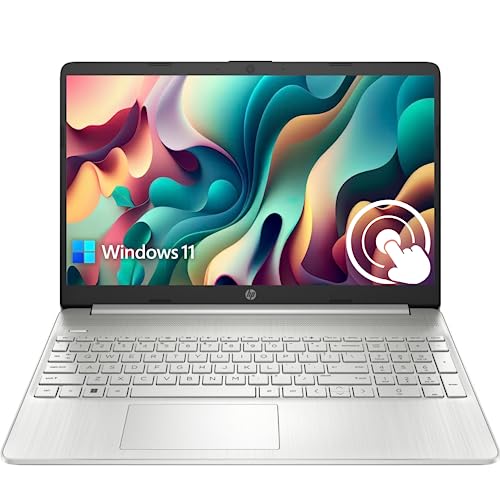





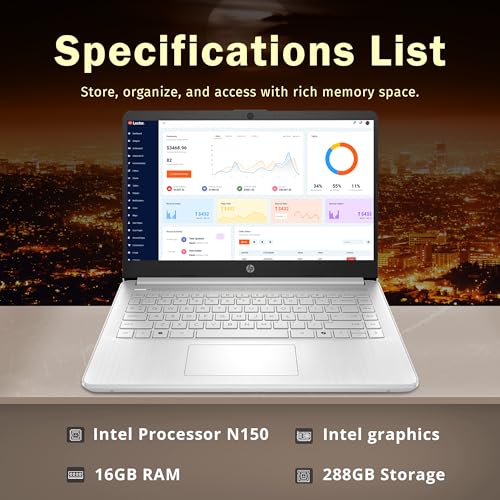
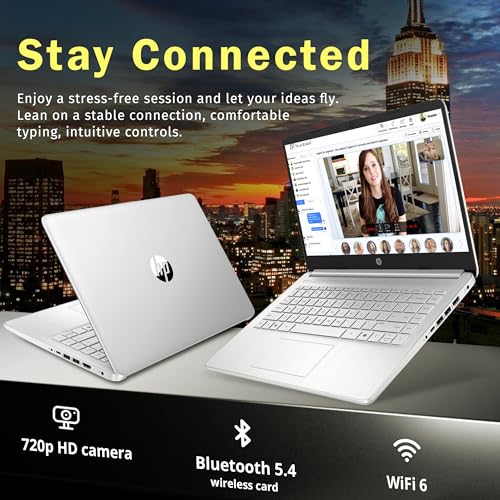


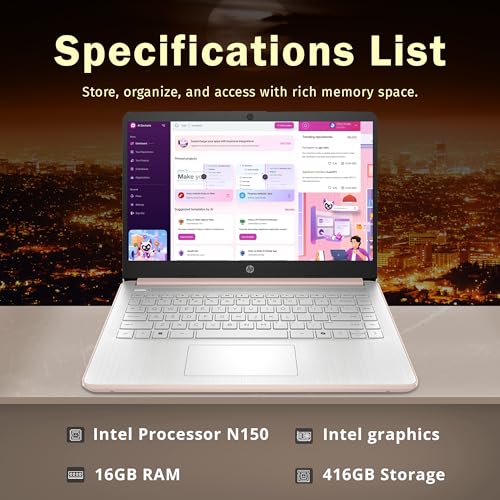








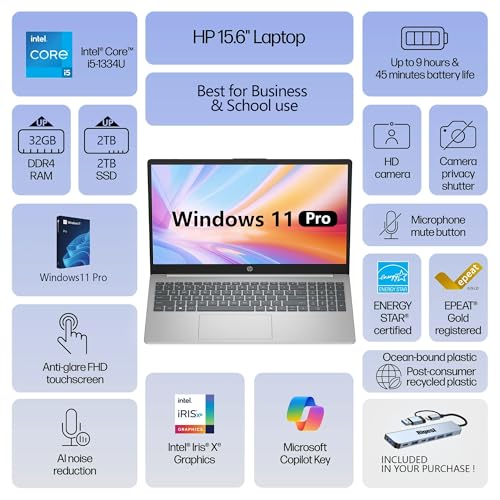


We also considered 10 others:


Our Top Choice
Compare Features


Why These Features Matter:
Buying a laptop is less like buying a toaster and more like committing to a tiny roommate who follows you from the couch to the kitchen table to the airport floor. You don’t notice the little stuff on day one. You notice it on day 97, when the charger brick has turned your bag into a medieval weapon and your trackpad decides it hates you right before a deadline.
A good laptop disappears into your life in the best way: it wakes quickly, doesn’t hiss like it’s simmering, doesn’t make you perform cable gymnastics, and doesn’t demand you carry a dongle bouquet like a Victorian lady with allergies. The point isn’t owning “the most powerful” anything. It’s owning the machine that makes your actual day feel smoother.
Screen: The Part You Stare at for Eight Hours (So It Can’t Be Bad)
A laptop screen can be technically “fine” and still make you feel vaguely tired and annoyed. The two big real-life screen problems are glare (hello, window behind you) and brightness that collapses the moment you leave your desk. If you work in cafés, on trains, or in that one sunny corner of your apartment you keep pretending is your “reading nook,” you’ll want a display that stays legible without turning into a mirror.
- Look for: Bright enough to handle daylight, good viewing angles so you’re not constantly tilting the screen, and text that looks crisp at normal distance.
- Nice to have: A screen that doesn’t oversaturate skin tones into “vacation filter” territory on video calls.
- Small annoyance people forget: Super glossy screens photograph your entire face. Including the panic.
Keyboard & Trackpad: The “Do I Hate My Job?” Factor
You can forgive a lot in a laptop if the keyboard feels good. You cannot forgive a keyboard that makes you typo like you’ve never met the alphabet. The best daily-life sign: you stop thinking about it after a day. The worst: you start bringing an external keyboard “just for long writing sessions,” which is editor-speak for “I hate this thing.”
- Look for: Keys with a little travel (not mushy, not painfully shallow), consistent backlighting, and a trackpad that doesn’t misread your palm as an artistic gesture.
- Nice to have: A trackpad that can actually replace a mouse without making you long for 2009.
- Honest caveat: Some laptops feel great in a store and awful after two weeks because the layout is slightly “off.” If you’re picky, buy from somewhere with a sane return policy.
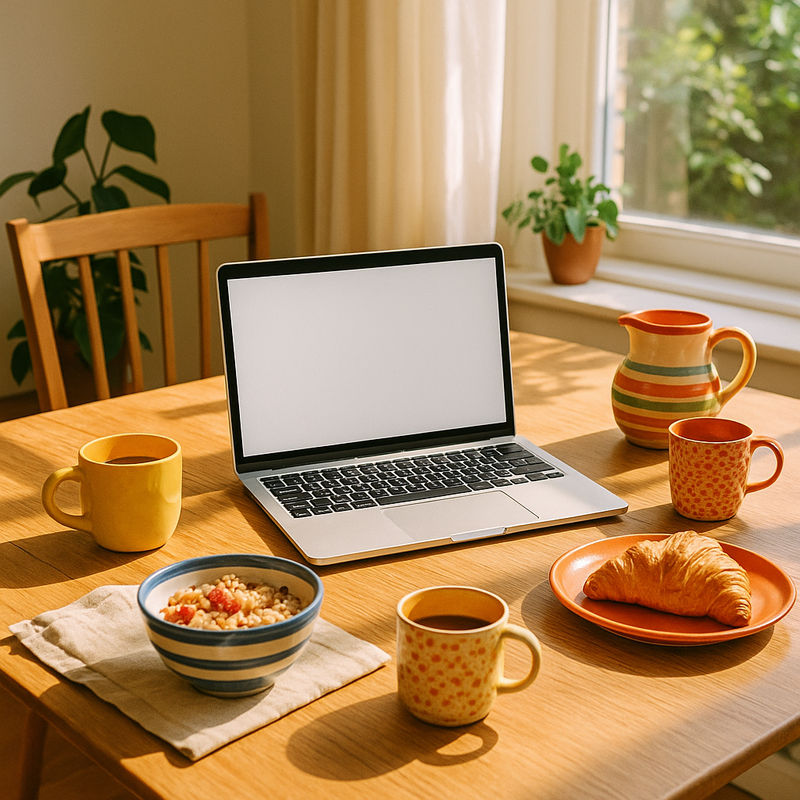
Weight & Balance: The “Can I Hold This With One Hand?” Test
People talk about weight like it’s a number; your shoulder experiences it like a moral judgment. Under about three pounds, a laptop starts to feel like something you can carry all day without resentful thoughts. But balance matters too: some machines are technically light and still feel awkward because the weight is distributed like a brick disguised as a notebook.
- Look for: Something you can pick up from the couch with one hand without the screen flopping like a tired eyelid.
- Nice to have: A hinge that opens easily but doesn’t wobble every time you breathe.
- Things to know: Ultra-thin laptops can run hotter on your lap. Your thighs will not be impressed by your “minimalist” choice.
Battery Life: The Difference Between “Portable” and “Portable-ish”
Battery claims are a genre of fiction. Real battery life is what you get with 20 tabs open, Slack running, brightness somewhere above cave level, and at least one video call that makes your laptop sound like it’s working through personal issues.
- Look for: Enough battery to get through a workday without hunting for outlets like a raccoon.
- Nice to have: Fast charging that meaningfully saves you when you forgot to plug in overnight (everyone has done it; some of us do it weekly).
- Honest caveat: If you do a lot of video meetings, expect battery life to drop more than you’d like. Cameras and constant connectivity are sneaky drains.
Fan Noise & Heat: The Apartment-Quiet Reality Check
Fan noise is one of those things you don’t clock until you’re in a quiet room and your laptop decides to cosplay a leaf blower. If you live with roommates, work in libraries, record audio, or simply enjoy not feeling like your desk is taking off, pay attention here.
- Look for: A laptop that stays quiet under everyday load (browsing, docs, streaming) and only ramps up when you’re actually doing heavier work.
- Nice to have: Heat management that doesn’t turn the underside into a space heater during a 40-minute email spiral.
- Things to know: Thin laptops often trade silence for slimness. If silence matters, don’t buy the thinnest thing in the lineup and expect serenity.
Ports & Charging: Dongles Are a Lifestyle (But They Don’t Have to Be)
Ports are where laptop design gets ideological. Some machines are generous and practical. Some assume you live in a wireless utopia where every projector, SD card, and external monitor has been gently retired. If you’ve ever shown up to a meeting and realized you can’t plug in anything, you understand the specific humiliation of a port shortage.
- Look for: Enough ports for your actual life: at least one that works for charging, one that handles an external display, and ideally something that lets you plug in a normal USB device without performing a conversion ritual.
- Nice to have: Charging that works on either side so you’re not rearranging your whole setup because the outlet is inconveniently placed (which is most outlets).
- Honest caveat: “Slim” often means “dongle-dependent.” If you’re the type to lose chapstick, you will lose your adapter.
Webcam & Mic: You Don’t Need Studio Quality, You Need “Not Embarrassing”
Most people aren’t trying to look cinematic on Zoom. They’re trying not to look like a witness in a documentary. A decent webcam and microphone matter more than ever, and it’s wild how many expensive laptops still treat them like an afterthought.
- Look for: A camera that handles indoor light without turning you into a blurry watercolor, and a mic that doesn’t make you sound like you’re speaking from inside a shoebox.
- Nice to have: A physical privacy shutter or a clear indicator light—because no one wants “Was my camera on?” dread.
- Things to know: If you take calls in echo-y kitchens (tile! high ceilings!), consider earbuds with a good mic. Your laptop can’t fix your architecture.
Storage & Memory: The Quiet Reasons Your Laptop Feels Slow
You don’t need to memorize specs to avoid a sluggish laptop. You just need to know what makes machines feel bad: constantly running out of storage, struggling under multitasking, or taking forever to wake up when you’re trying to answer an email in line at the pharmacy.
- Look for: Enough storage that you’re not playing “what can I delete?” every month, and enough memory that your browser doesn’t become a hostage situation with 14 tabs.
- Nice to have: Easy cloud integration if you’re the type who hoards screenshots like evidence.
- Honest caveat: Some laptops make upgrades impossible later. If you buy minimal now, you’re essentially promising your future self you’ll be tidy. Be honest about who you are.
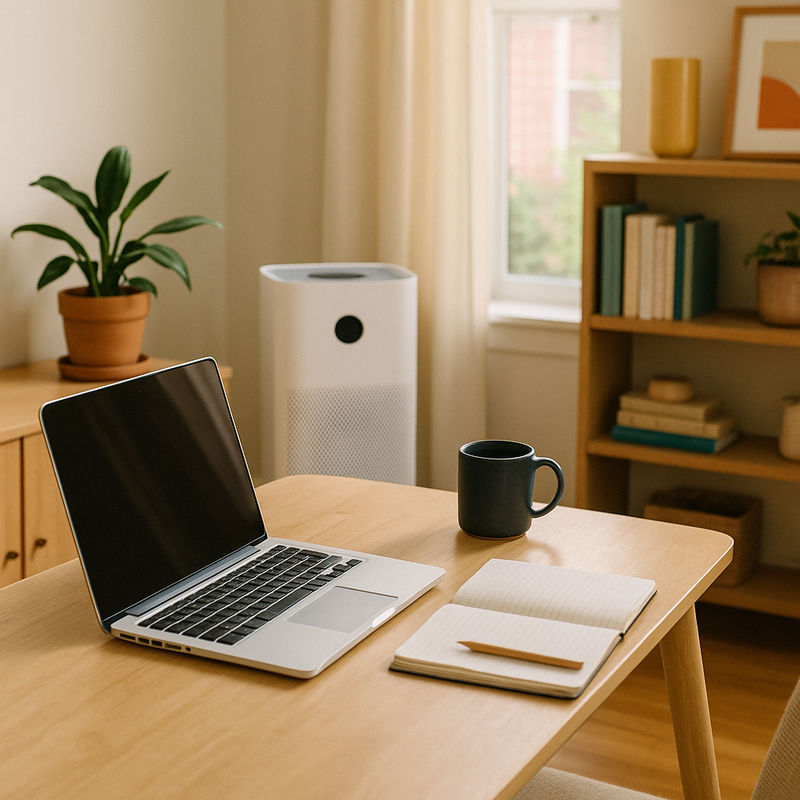
Build Quality: The Bag Test, the Crumb Test, the Kid Test
In real life, laptops get shoved into tote bags next to metal water bottles. They get used on beds (terrible, yes), wiped down with whatever cloth is nearby (also yes), and occasionally closed with a pen still on the keyboard (we’ve all heard the crunch). Build quality isn’t about “premium feel.” It’s about how well the laptop tolerates your slightly chaotic humanity.
- Look for: A sturdy chassis with minimal flex, a screen that doesn’t feel fragile, and a finish that doesn’t collect fingerprints like it’s trying to build a case against you.
- Nice to have: A surface that cleans easily. Matte finishes tend to age better in households with food, pets, or both.
- Things to know: Dark finishes can look chic but show every smudge. Lighter finishes hide the evidence better.
Operating System: Choose the One You Won’t Fight
This is where people get weirdly ideological. My take: pick the system that doesn’t make your daily tools feel like they’re constantly negotiating with your laptop. If all your work lives in one ecosystem (phone, tablet, messaging, cloud storage), staying consistent can make life calmer. If you rely on very specific programs, choose the OS that runs them without drama.
- Guidance: If you’re already deep in an ecosystem and value seamlessness, lean into it. If you’re budget-conscious or need broader hardware variety, keep your options open.
- Honest caveat: Switching systems is always more annoying than you think it will be, mostly because of tiny habits: keyboard shortcuts, file organization, and where screenshots go to hide.
So… What Should You Actually Buy?
Here’s the practical way to narrow it down without turning your living room into a testing lab:
- If you mostly write, browse, email, and live in video calls: prioritize a great keyboard/trackpad, solid webcam/mic, and battery that survives a full workday. You’ll feel those upgrades every hour.
- If you travel or commute: weight, charging convenience, and a screen that holds up outside your perfectly controlled home lighting matter more than raw power.
- If you do creative work (photo/video/design) or heavy multitasking: prioritize sustained performance and heat management. A laptop that’s fast for five minutes but throttles for the next fifty is a specific kind of betrayal.
- If you’re hard on your stuff (kids, pets, crowded bags, tiny tables): prioritize durability, easy-to-clean finishes, and port flexibility so you’re not constantly adapting your setup.
If you tell me your budget range, what you do all day (be honest about the 37 browser tabs), and what’s currently driving you nuts about your laptop—battery, fan noise, ports, weight—I can point you toward the right category of machine and the features that are actually worth paying for.
6,500+ shoppers have used Buyer's Guide in the last week to help find the best Laptops.

Helping millions of users make smarter purchases online.

