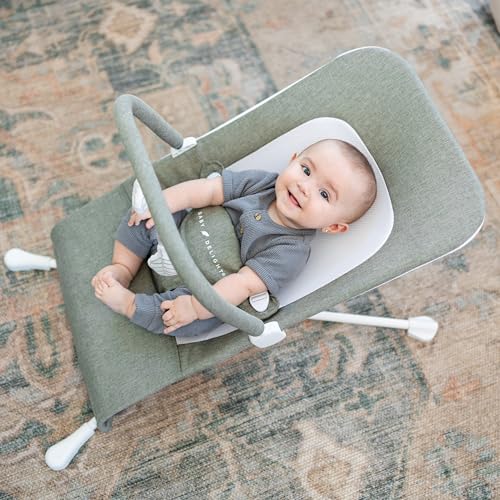
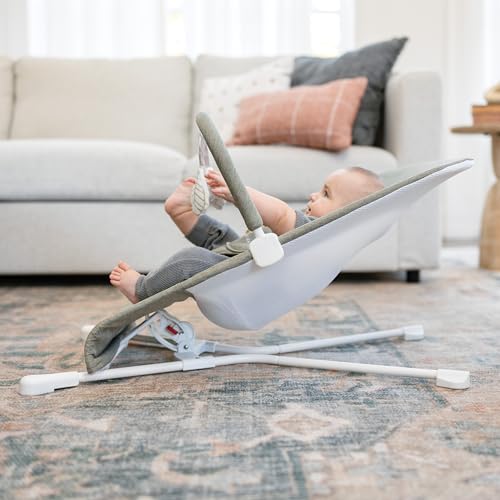
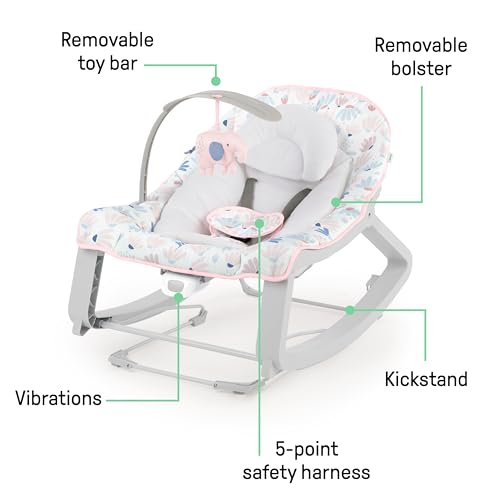
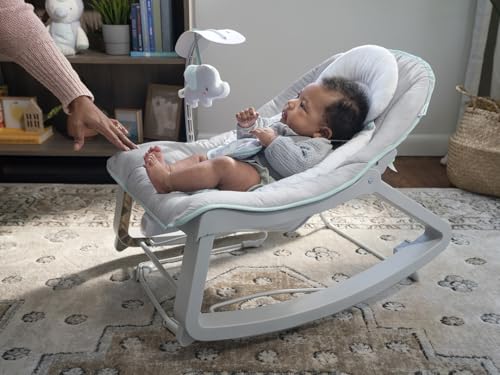
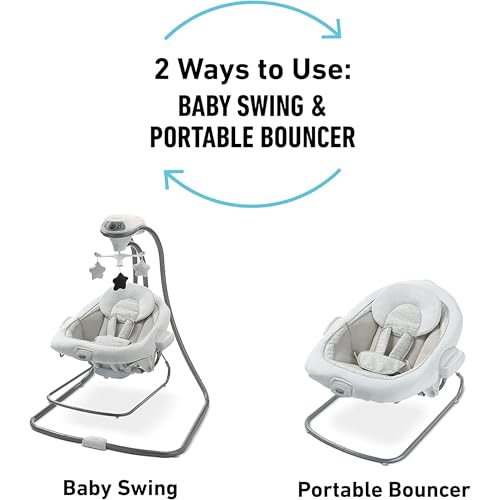
We also considered 10 others:
Our Top Choice
The order above is not editorial opinion, and it is not paid placement. It comes from what shoppers across our network actually do - which infant bouncers they compare, and which they ultimately buy. We re-rank as new data comes in, so the long-term favorites have to keep earning their spot against new entrants. The full method, including how we make money.
Infant Bouncers Buyer's Guide
Infant bouncers have to balance soothing motion and engaging play against strict positioning and supervision needs. The best choice is one that keeps a baby secure and properly supported first, then adds vibration, toys, or grow-with-me modes without making the seat unstable, awkward to clean, or hard to move around the home.
Safe Stability
A bouncer is used when babies are small, wiggly, and still developing head and trunk control, so stability is not optional. A secure frame and restraint system reduce the chance of sliding, tipping, or unsafe positioning during normal kicking and bouncing.
Choose a bouncer with a wide, low base, non-slip feet, a secure harness, and clearly stated age, weight, and developmental limits. Avoid designs that sit high, rock unpredictably, or depend on toys and activity features for balance; babies should never be left unsupervised or allowed to sleep in an inclined seat. Owner feedback supports prioritizing this: parents repeatedly value gear that feels sturdy, stable, well made, and durable, especially for active babies, while still being low enough to feel reassuring.
Fit & Posture
The right fit keeps a baby’s airway, hips, and torso better aligned during short supervised sessions. A bouncer that is too deep, too upright, or outgrown can turn soothing time into slumping, fussing, or unsafe use.
Look for a seat angle and insert system that match the baby’s stage: more reclined and supportive for younger infants, roomier and more upright only when head and torso control improve. The harness should keep the hips centered without forcing the baby to slump, and any adjustable height or activity-style mode should let the child’s feet land as directed by the manual rather than dangling or bearing too much weight. Owners specifically praise comfortable seats, roomy sizing, and height adjustments that help babies stay properly positioned as they grow beyond the earliest stage.
Soothing Play
Bouncers vary from calming seats to highly stimulating play stations, and babies differ in what settles or engages them. The best entertainment features are reachable, removable, and useful without compromising comfort or stability.
Decide whether you want a simple bounce seat, a soothing seat with vibration, or a more activity-heavy design with lights, music, toys, and a rotating or reachable play area. For newborns, gentle motion and easy-to-remove toys are often more practical than a busy activity center; for older babies, reachable toys and smooth rotation matter because frustration builds if the baby cannot access the features. Sentiment shows that lights, sounds, music, bouncing, and small toys can keep babies busy, while vibration is more divisive because some babies like it but some parents find the strength very gentle or minimal; rotating seats are useful when they move smoothly, but not all babies can spin them easily.
Grow-With-Me
Infant gear is outgrown quickly, so adjustability can matter as much as the first-day fit. A longer-lasting bouncer is valuable only if every stage remains safe, comfortable, and easy to use.
Favor grow-with-me features only when each mode is genuinely useful and clearly limited by the manual, such as recline changes, height settings, removable toy bars, or toddler-seat conversions. Be cautious of broad age claims if the seat lacks enough room, support, or adjustment to bridge newborn use and later active sitting. Owners respond strongly to 3-in-1 style designs, durable construction, roomy sizing, and adjustable height because these features make the gear feel like it can last as the child grows.
Daily Ease
A bouncer is only helpful if it fits smoothly into repeated daily routines. Difficult assembly, fussy attachments, or hard-to-clean fabric can turn otherwise good baby gear into something caregivers avoid using.
Check how many parts must be clicked together, whether fabric removes easily, and whether toy bars, seats, or rotating parts are straightforward to attach without forcing them. A bouncer used daily should be easy to carry between rooms, quick to wipe after spit-up or snack residue, and simple enough that caregivers can set it up correctly every time. Owner sentiment backs this up: setup is often described as simple and low-stress, with one-person assembly generally possible, though some toys or seat attachments may take extra effort; parents also appreciate wipe-clean surfaces and a lightweight build that still feels sturdy.