















We also considered 10 others:


Our Top Choice
The order above is not editorial opinion, and it is not paid placement. It comes from what shoppers across our network actually do - which fast chargers they compare, and which they ultimately buy. We re-rank as new data comes in, so the long-term favorites have to keep earning their spot against new entrants. The full method, including how we make money.
Fast Chargers Buyer's Guide
Fast chargers are not just “faster plugs”; the real tradeoff is high wattage in a compact body without heat, weak folding prongs, or misleading shared-output claims. A careful shopper should match the charger’s USB-C power profiles and cable rating to the most demanding device they own, then check what happens when multiple devices are plugged in at once.
Real Speed
Charging speed depends on both the charger and the device agreeing on the right power profile. A charger that is fast for a phone may be underpowered for a laptop, and a high advertised wattage may not apply to every port or every situation.
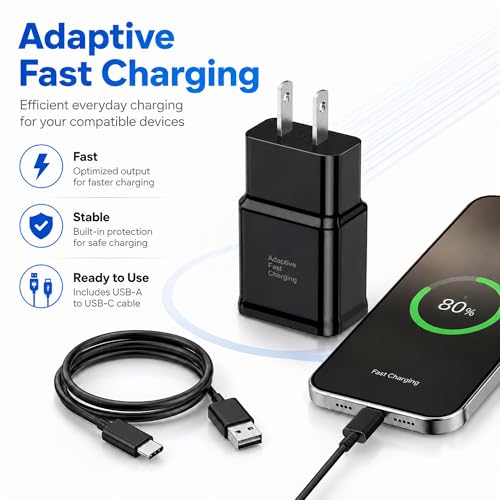
Look for USB-C Power Delivery support, enough wattage for your largest device, and clear per-device claims rather than only a big headline number. Phones can fast-charge from much lower wattage than tablets or laptops, so laptop buyers should prioritize higher sustained output and a cable rated for that power level. Owner feedback strongly favors chargers that refill phones much faster than standard blocks and can quickly power tablets and high-demand USB-C laptops, but it also shows that shared-output designs may slow down when several devices are connected.
Port Sharing
The number of ports only helps if the power is distributed in a useful way. Multi-port chargers often renegotiate output as devices are added, which can change charging speed or briefly interrupt charging.
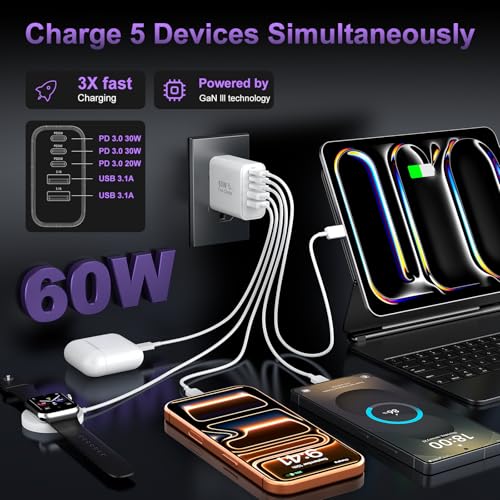
For multi-device charging, check the total wattage and the per-port split when two or three ports are active; a “65W” charger, for example, may not give 65W to one device once other ports are occupied. Favor layouts that identify which USB-C port gets priority for a laptop and whether the remaining ports still provide enough power for a phone, earbuds, watch, or tablet. Owners value three-port blocks because they reduce the need for separate chargers, but sentiment also notes that speeds can drop when the output is shared across multiple devices.
Compatibility
Fast charging is negotiated between the device, charger, and cable. If any part of that chain lacks the right standard or rating, the setup may fall back to slower charging even when the charger looks powerful on paper.
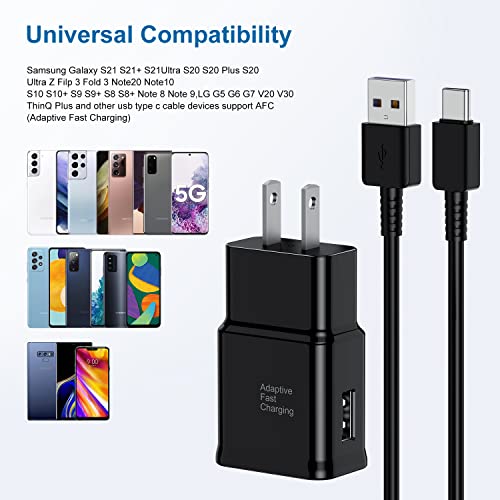
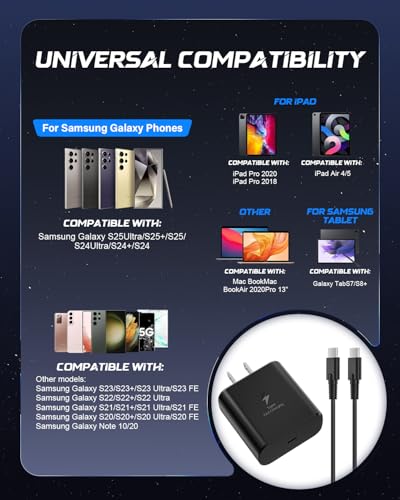
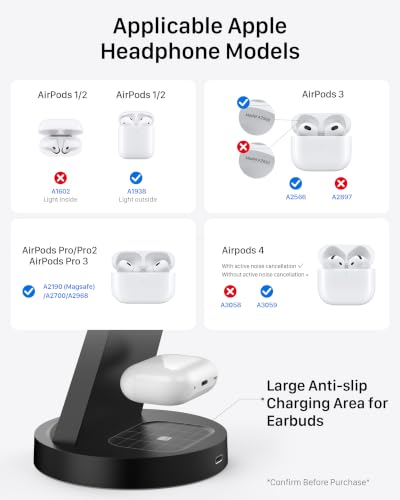
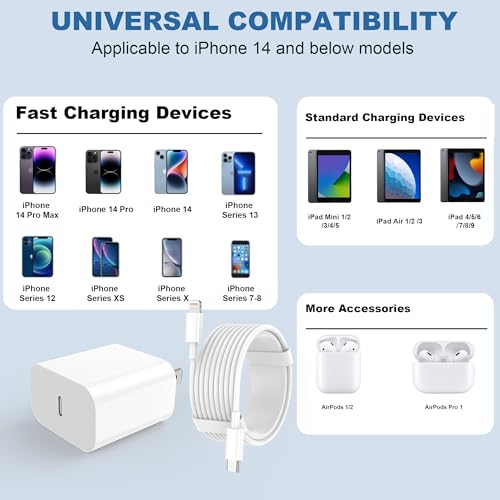
Choose a charger that supports the charging standard your devices actually use, especially USB-C PD for modern phones, tablets, handhelds, and laptops, and PPS when your phone benefits from it. If the charger includes or requires a cable, verify the connector type, power rating, and whether you need charging only or dependable data transfer as well. Owner sentiment supports broad charging compatibility across newer phones, tablets, laptops, Chromebooks, and other USB-C devices, while data-connection feedback is less consistently positive than charging feedback.
Build Safety
Fast chargers handle significant power in a small space, so internal protection and exterior build quality matter. Heat, weak plug mechanisms, and poor strain relief can shorten service life or make daily use less safe and reliable.
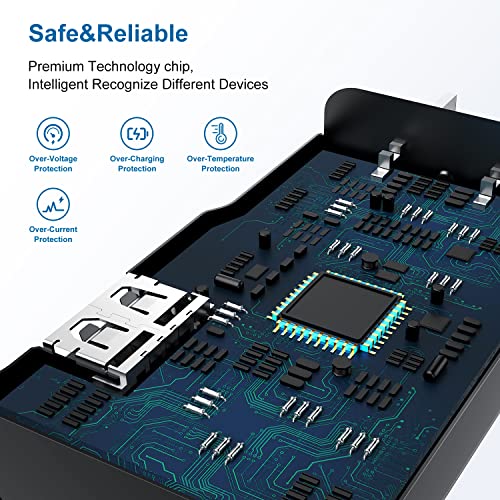
Prioritize certified chargers with over-temperature, over-current, and short-circuit protection, and be wary of flimsy housings, loose ports, or folding prongs that feel weak. Compact high-wattage chargers should stay warm rather than uncomfortably hot in normal use, and frequent travelers should inspect plug hinges because that mechanism is a common stress point. Owners often praise solid, heavy-duty construction and consistent operation without excessive heat, but the main watch-out is short-term physical failure, especially around foldable prongs or units that stop working earlier than expected.
Cable Match
The cable is part of the charging system, not just an accessory. A weak or incorrectly rated cable can limit speed, fray at the ends, or fail before the charging block does.
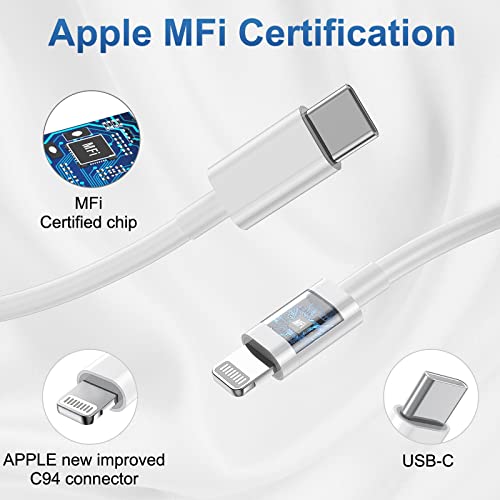
Do not treat the cable as an afterthought: for laptop-class charging, look for a USB-C cable rated for the needed wattage, with strong strain relief and a length that fits where you charge. Long cables are useful at a couch, bed, or desk, but very long or poorly built cables can be more vulnerable to wear and may not support top charging speeds unless properly rated. Owners like thick braided cables, consistent charging, and longer 6.6-foot to 10-foot reach, while longer-term durability feedback on some cords is more mixed.
Travel Value
A fast charger is often carried between home, work, and travel, so size and plug design affect daily convenience. Good value comes from replacing several reliable charging setups without sacrificing power, safety, or durability.
For travel or commuting, look for a compact body, foldable prongs, and enough ports to replace multiple bricks without becoming awkwardly heavy on a wall outlet. For home or office backups, value comes from dependable output, the right cable length, and broad compatibility rather than the smallest possible size alone. Owners repeatedly appreciate compact foldable chargers that fit easily in a bag and see multi-packs or backup chargers as strong value when they charge fast and feel solidly made.
1,000,000+ shoppers use Buyer's Guide every week to find the best products and services online.

Helping millions of users make smarter purchases online.


