















We also considered 10 others:


Our Top Choice
Compare Features


The order above is not editorial opinion, and it is not paid placement. It comes from what shoppers across our network actually do - which fans that blow cold air they compare, and which they ultimately buy. We re-rank as new data comes in, so the long-term favorites have to keep earning their spot against new entrants. The full method, including how we make money.
Fans That Blow Cold Air Buyer's Guide
Fans that “blow cold air” sit between simple air movers and true room-cooling appliances, so the key tradeoff is expectation: airflow can make you feel cooler, but only evaporative or water/ice-assisted designs change the outlet feel—and those bring humidity, cleaning, and leak concerns. Shop first for usable quiet airflow at the distance you need, then verify whether any cooling feature is practical for your climate and room rather than just a marketing claim.
Airflow
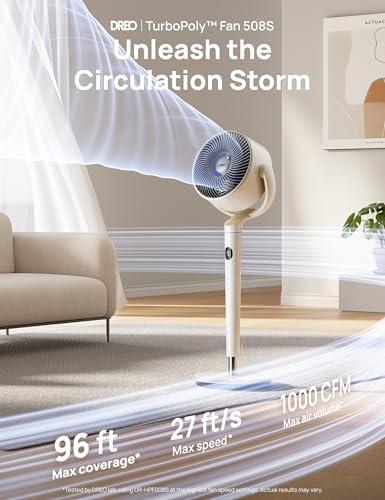
You’ll notice airflow most in how quickly a fan makes the room feel more comfortable and how far that cooling or heating effect actually reaches. Look for enough power and coverage for your space, plus useful features like multiple speeds, oscillation, or misting or heating modes if you need them, and watch out for fans that sound powerful but only move air well at close range.
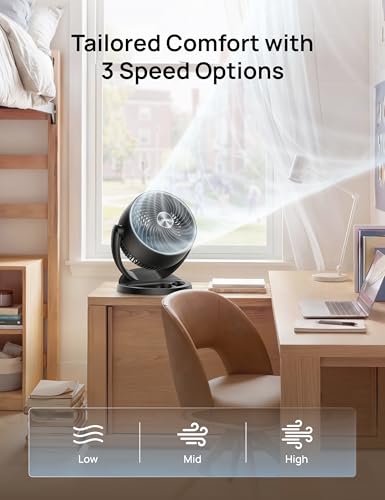
Check what “cold air” actually means before comparing airflow: a standard fan only makes skin feel cooler, while an evaporative or water/ice-assisted unit can feel colder at the outlet but works poorly in humid rooms and will not cool a sealed room like an air conditioner. For this category, prioritize strong low- and mid-speed airflow that reaches the bed, couch, or desk from several feet away, plus oscillation or directional adjustment so the cool-feeling stream is not trapped in one narrow lane. Owner feedback supports this: buyers often praise fans that move air across a room from roughly 10 to 12 feet away, cool bedrooms overnight without needing top speed, and provide clear differences between low and high settings.
Noise
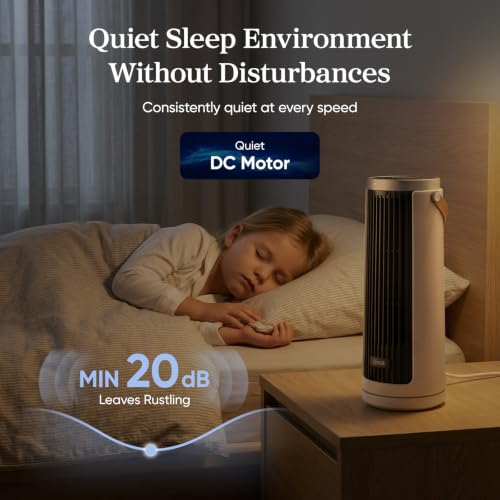
How a fan sounds can matter as much as how well it moves air, especially if you plan to use it in a bedroom, nursery, or office. Look for a fan that stays quiet at the speeds you actually use, has a smooth, consistent sound instead of rattling or clicking, and offers enough low-speed control for sleep; a fan that is only quiet on its weakest setting may still be disruptive at night.
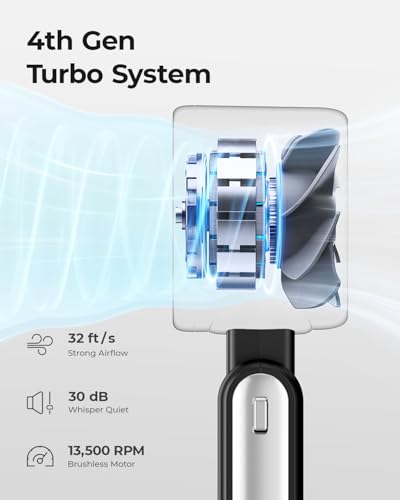
For a cold-air fan used in bedrooms, nurseries, offices, or overnight heat relief, judge noise at the speed you will actually use—not just the maximum setting. Look for quiet low and mid speeds, a smooth low-pitch sound, and minimal rattling, pump gurgle, water trickle, or oscillation clicking if the fan uses a water system. Owners repeatedly value models that remain quiet while still moving meaningful air, especially for sleep; they also note that higher speeds can become noticeably louder, so a fan that cools adequately below max speed is the safer buy.
Build
You want a fan that feels solid, stays stable at its highest speed, and keeps working without new rattles, wobble, or motor odor after regular use. Look for sturdy housing, well-balanced blades, a secure base or mount, and parts that are easy to remove and clean, since flimsy materials and hard-to-maintain grills tend to show wear, collect dust, and shorten the fan’s useful life.
Cold-air-style fans have more failure points than basic fans if they include tanks, ice compartments, filters, pumps, or mist/evaporative media, so inspect build around seals, tank fit, drain access, filter removal, and whether the base stays stable when the tank is full. Avoid flimsy towers that wobble during oscillation, hard-to-clean reservoirs that can grow odor or mold, and water designs without clear low-water protection or leak-resistant construction. Owner sentiment favors fans that assemble quickly, feel sturdy rather than flimsy, have weighted stable bases, and hold up as dependable daily-use workhorses.
Controls
The controls determine how easily you can fine-tune airflow for comfort, noise, and convenience throughout the day or night. Look for clearly labeled buttons or a responsive remote, multiple speed settings, useful modes like sleep or timer functions, and smooth oscillation; watch out for confusing menus, tiny displays, or limited adjustments that make the fan harder to live with.
For this niche, the best controls let you manage comfort without overcooling, soaking the air, or getting up at night: look for granular fan speeds, oscillation on/off, timer or auto shutoff, sleep mode, remote or app control, and independent control of any cooling pump, mist, or evaporative function. If using it in a bedroom, also check whether display lights and beeps can be dimmed or silenced. Owners consistently appreciate remotes, timers, oscillation, multiple modes, and speed options, especially when they can adjust airflow from bed or across the room.
Value
You want a fan that feels worth what you pay, not just one that looks good on the shelf. Look for strong airflow, reliable performance, useful speed or control options, and a noise level you can live with, because a low upfront cost is not a bargain if the fan disappoints, wears out quickly, or costs more to run than expected.
Do not pay extra just because a fan is marketed as blowing “cold” air; the value depends on whether it delivers the cooling method you actually need. A dry fan should be judged on quiet usable airflow, reach, stability, and controls, while an evaporative model also needs cleanable media, a practical tank size, leak resistance, and replacement-filter availability. Owner feedback suggests the strongest value comes from fans that feel powerful for their size, cool from several feet away, are reliable and sturdy, and include useful features without feeling cheaply made.
Design
Design affects how well a fan fits your space and how easy it is to live with day to day, from its size and physical layout to whether any built-in light is actually useful or too harsh at night. Look for a fan with a stable base or secure wall mount, clear instructions, straightforward assembly, and lighting that matches your needs for brightness and placement without adding glare or awkward controls.
Match the design to where the cold-feeling airflow must go: towers save floor space and suit bedrooms, pedestal or circulator styles are easier to aim at a bed or across a room, and water/ice units need a layout that is easy to fill, drain, and clean without spills. Check intake clearance, cord placement, carrying handles, tank access, grille safety, and whether the footprint is stable enough around pets, kids, or nighttime traffic. Owners tend to like compact, modern-looking fans that fit into bedrooms or living spaces, set up easily, have sturdy bases, and avoid feeling like bulky utilitarian equipment.
1,000,000+ shoppers use Buyer's Guide every week to find the best products and services online.

Helping millions of users make smarter purchases online.


