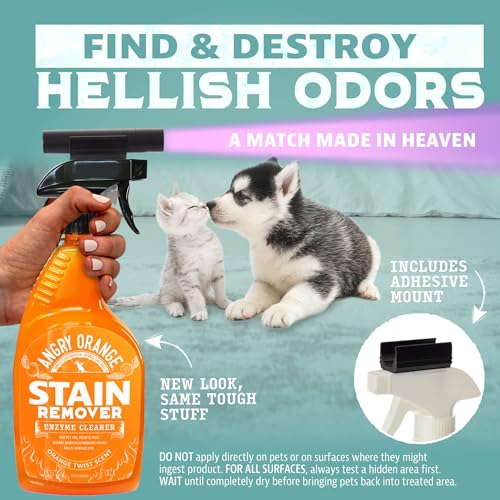
We also considered 10 others:
Our Top Choice
Compare Features
The order above is not editorial opinion, and it is not paid placement. It comes from what shoppers across our network actually do - which enzyme cleaners for carpet they compare, and which they ultimately buy. We re-rank as new data comes in, so the long-term favorites have to keep earning their spot against new entrants. The full method, including how we make money.
Enzyme Cleaners for Carpet Buyer's Guide
Enzyme cleaners for carpet are a tradeoff between enough wet contact to digest urine residues and not over-wetting carpet, backing, or pad. The sharpest concerns are whether the formula can reach old pet urine below the pile, whether it is safe for your carpet and machine, and whether the scent is helping you tolerate cleanup rather than simply masking the problem.
Surfaces
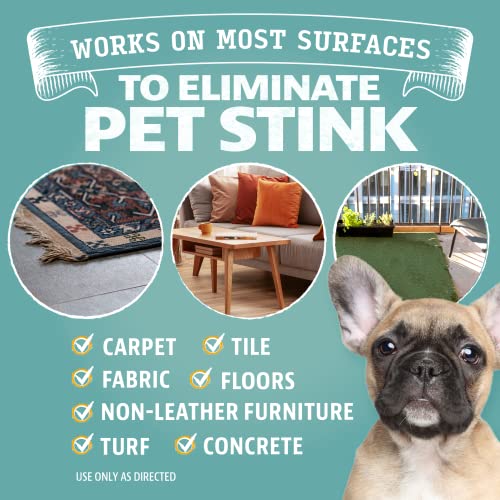
You’ll want a urine remover that works on the surfaces you actually need to treat, since carpet, hard flooring, upholstery, and laundry can react differently to the same formula. Look for clear surface compatibility, directions for both stains and odor, and any limits around delicate fabrics, sealed wood, stone, or colorfastness so you don’t trade an odor problem for damage or discoloration.
For carpet, check that the cleaner is explicitly suitable for the carpet fiber, backing, pad-level saturation, and any machine you plan to use—not just “multi-surface” in a broad sense. Enzyme cleaners can be useful beyond carpet, but on rugs you should still spot-test for colorfastness, avoid delicate fibers unless the label allows them, and make sure the formula can reach the urine that soaked below the pile. Owner feedback supports looking for true multi-surface utility: buyers report using enzyme cleaners on carpet, floors, laundry, turf, cement, litter boxes, dog beds, whole-floor spraying areas, and odor-prone pet-home messes.
Effectiveness
You want a urine remover that actually breaks down and lifts the mess, not just masks the smell or leaves residue behind. Look for strong cleaning performance on the surfaces you need to treat, especially fabrics, carpets, grout, or hard floors, and watch for formulas that struggle with older stains or require repeated applications to get the area truly clean.
Prioritize a true enzyme/urine formula that is meant to break down pet waste residues, and plan on saturating to the depth of the accident with enough dwell time rather than just misting the carpet surface. For cat urine, repeated accidents, or old spots, avoid judging effectiveness after a quick wipe; the failure mode is usually under-application, too little drying time, or urine left in the pad. Owner sentiment strongly supports this: shoppers repeatedly say enzyme cleaners remove tough dog and cat urine odors that home remedies, carpet shampoos, or previous cleaners failed to solve, with fresh or moderate odors often improving after one use and stronger spots improving after repeat applications.
Scent
A urine remover’s scent matters because it can either leave the area feeling genuinely fresh or simply mask the odor with a strong fragrance. Look for a scent you can tolerate in the spaces you use most, and watch out for formulas that linger too long or become overpowering, especially on fabrics, carpets, or in small rooms. Good dissipation is key: the cleaner should help the urine smell disappear without replacing it with a perfume that hangs around.
Treat scent as secondary to odor chemistry: choose a scent you can tolerate while it dries, but avoid relying on fragrance-heavy formulas that merely mask urine or may make a treated room unpleasant. In pet homes, especially with cats, strong citrus or perfumey smells can be divisive, so the best pick is one that dries down cleanly after the enzyme work is done. Owner feedback suggests many buyers like light citrus, orange, lemony, fresh, or non-perfumy scents and appreciate when treated areas smell fresh rather than like urine, chemicals, or heavy cleaner.
Stains
Urine removers need to do more than neutralize odor—they should also lift visible staining and leave the surface looking clean. Look for options suited to the material you’re treating, and watch for formulas that can leave sticky residue, discoloration, or a dull finish, especially on carpets, upholstery, wood, or stone.
For stains, look for instructions that allow a long sit time before blotting or extraction, because urine stains, feces, vomit, and old traffic-soiled pet spots often need contact time to loosen both discoloration and residue. Always test hidden carpet first, and avoid harsh add-ons like bleach or incompatible oxidizers unless the label says they can be used, since carpet dyes and enzyme activity can be affected. Owner reports back this up: shoppers describe old and new pet stains lifting from carpets, bedding, couches, and other household spots, with better results when directions are followed and the product is allowed to sit before wiping.
Odor
Strong odor removal matters because urine smells can linger even after a surface looks clean, and pets may return to the same spot if the odor is not fully neutralized. Look for a remover that targets urine and pet odor at the source rather than just masking the smell with fragrance, and be cautious with heavily perfumed formulas that can leave behind a new odor without solving the problem.
For odor, the key buying test is whether the formula is built for urine at the source, including uric-acid residue that can reactivate with humidity, not just surface deodorizing. Choose a cleaner you can apply heavily enough to reach the pad and let dry fully; deep-set pet odors often fail when the cleaner never reaches where the urine went. Owner sentiment is especially strong here: buyers say pet urine odor, including difficult cat urine and heavily affected rooms or belongings, is often eliminated rather than covered up, and some report pets stop returning to the same spots after treatment.
Value
You want a urine remover that fits your budget but also gives you enough product to treat repeated accidents, not just one or two spots. Compare bottle size, dilution or coverage claims, and how much you typically need per stain, because a cheaper option may run out faster if it requires heavy soaking or multiple applications. Also watch for value packs or concentrates that offer better longevity, as long as they still match the surfaces and odor problems you need to handle.
Value in this category depends less on bottle size alone and more on usable coverage for saturation, dilution accuracy, machine compatibility, and whether you will need multiple treatments for old urine in the pad. Frequent pet accidents usually favor concentrates, powders, or gallon formats if they mix cleanly, do not leave sticky residue, and are practical to dispense without leaks or waste. Owner feedback generally supports larger or concentrated formats as cost-effective for spray bottles, mop water, laundry, and carpet-cleaner machines, though some buyers are less enthusiastic when packaging makes the cleaner frustrating to use.