

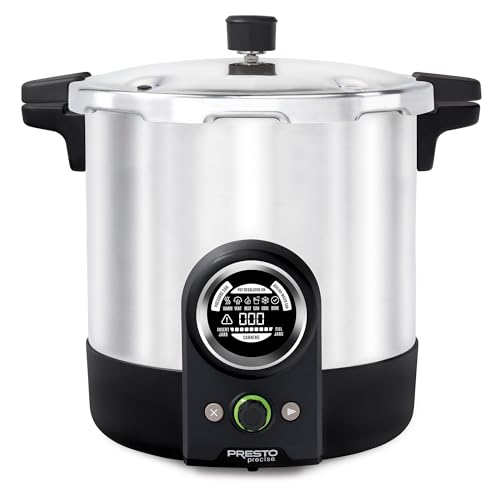
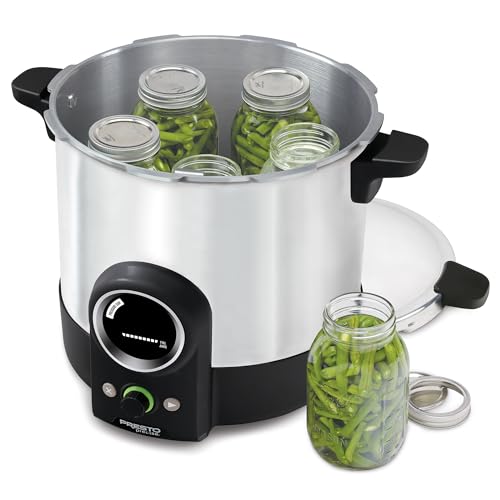

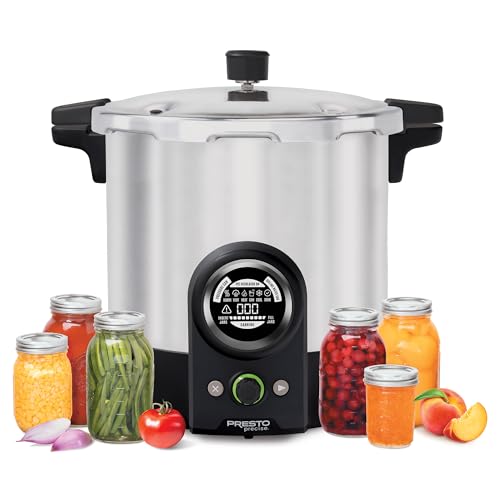



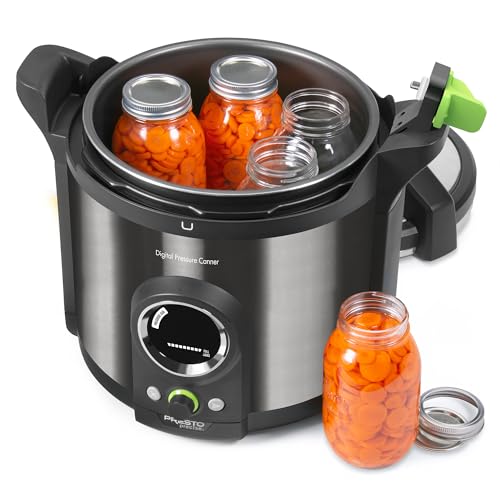


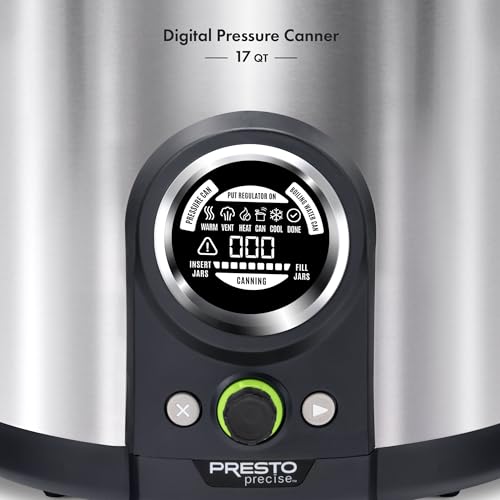

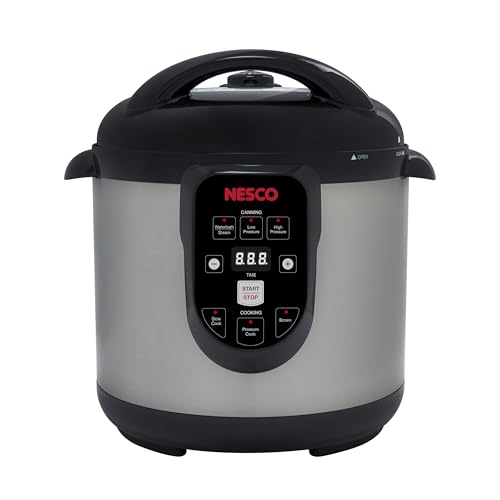


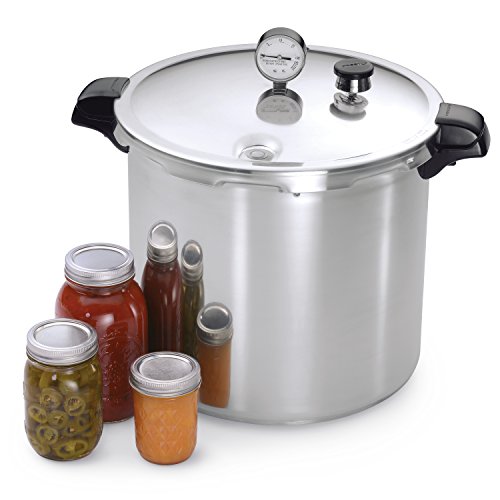

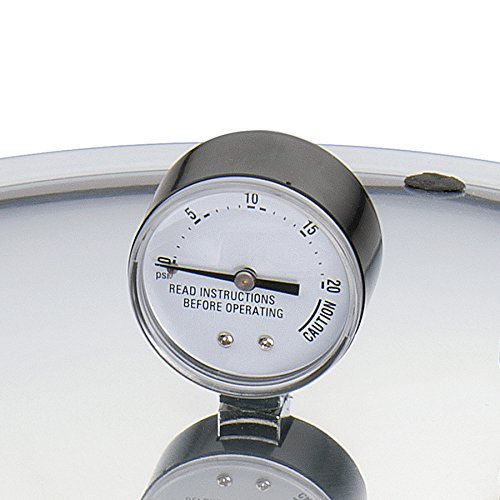




We also considered 10 others:


Our Top Choice
Compare Features


The order above is not editorial opinion, and it is not paid placement. It comes from what shoppers across our network actually do - which electric pressure canners they compare, and which they ultimately buy. We re-rank as new data comes in, so the long-term favorites have to keep earning their spot against new entrants. The full method, including how we make money.
Electric Pressure Canners Buyer's Guide
Electric pressure canners appeal because they remove much of the stove-watching, burner adjustment, and heavy-pot handling that make home canning intimidating. The tradeoff is that shoppers must match the machine to safe preserving methods, batch size, jar handling, and the kinds of foods they actually plan to process—especially if they want both pressure canning for low-acid foods and water-bath canning for high-acid foods.
Method Fit
Pressure canning and water-bath canning are not interchangeable, so the canner must fit the acidity and processing needs of the foods you preserve. A good electric model should make the correct method clear and repeatable rather than encouraging guesswork.
Start by confirming the unit is designed for the exact canning method you need: pressure canning for low-acid foods such as meat, broth, beans, and vegetables, and water-bath canning for high-acid foods when appropriate. Look for clearly separated pressure-canning and water-bath modes, jar-rack support, venting or pressure-cycle guidance, and processing workflows that do not require improvising beyond tested recipes. Avoid treating general multicooker pressure settings as a substitute for a purpose-built canning cycle. Owner feedback supports this priority: buyers value models that work for both pressure canning and water-bath canning, reporting reliable seals and a more automated process than a stovetop canner; small-batch users specifically appreciate preserving sale meat, broth, beans, and everyday foods without a full-size setup.
Heat Control
Canning depends on controlled heat over time, not just getting water hot. Electric canners are most useful when they reduce burner fiddling while still guiding the user through a consistent cycle.
Prioritize automatic heat regulation, clear preheat stages, processing timers that begin at the right point in the cycle, and alerts that tell you when to load jars, vent, process, cool, or drain. For water-bath use, the unit should keep jars and water hot without constant stovetop adjustment; for pressure canning, it should manage the cycle in a way that is easy to monitor and repeat. Be cautious of units with vague status indicators or controls that leave you unsure whether the canner is preheating, processing, or cooling. Owners repeatedly highlight automatic heating and temperature control as a major strength, saying it keeps jars and processing water at the right temperature without constant burner adjustments; they also like the more hands-off feel compared with managing a large pot on the stove.
Batch Size
Electric pressure canners often trade maximum batch capacity for countertop convenience. The right size depends on whether you preserve a few jars at a time or expect pantry-scale production.
Check the actual jar count by jar size—not just the advertised volume—and compare it with your typical canning day. A compact electric canner is a strong fit for small households, broth batches, beans, meat deals, and frequent small runs, but it can be frustrating if you expect to process many quarts or large harvests in one session. Also measure storage space, counter clearance, and access to an outlet because these appliances need stable counter placement rather than stovetop space. Owner sentiment is clear that size and capacity are the main tradeoff: the smaller footprint suits small-batch canners well, but it can feel limiting for larger batch expectations.
Safer Handling
Canning involves heavy jars, hot water, steam, and awkward pot handling, so ergonomics matter as much as controls. Features that reduce lifting and controlled draining can make the process less tiring and less intimidating.
Look for a stable base, secure side handles, a jar rack that lifts cleanly, a lid that is easy to align, and a drain spigot for emptying hot water without carrying a full vessel. The spigot should be positioned so it can drain into a sink-safe container or over the counter edge without tipping the appliance. Avoid designs that require frequent repositioning while full, unclear lid locking, or awkward access to hot jars. Owners specifically praise built-in drain spigots and sturdy design because cleanup and emptying hot water feel safer and less physically demanding, and many say electric canners reduce stove use, kitchen heat, heavy lifting, and supervision.
Guided Use
Electric canners can make preserving feel more approachable, but only if the instructions and interface explain the sequence clearly. Beginners especially need guidance that distinguishes setup, loading, venting, processing, cooling, and unloading.
Choose a canner with a plain-language manual, clearly labeled programs, visible status lights or display messages, and recipes or charts that direct you to verified processing guidance rather than guesswork. If you are new to canning, look for step-by-step prompts and strong explanations of when the lid can safely open, when jars should be loaded, and how the cycle confirms completion. Weak documentation can push users toward outside tutorials, which may vary in quality. Owner sentiment strongly favors electric models for making canning feel easy, approachable, and less intimidating for beginners, but instructions are a mixed point: some buyers get comfortable quickly, while others rely on outside guidance.
Practical Value
An electric pressure canner earns its place when it fits regular preserving habits rather than sitting unused between rare projects. Extra functions can add value, but only if they do not compromise the canning workflow.
Think about how often you will use the appliance outside peak garden season: small-batch pressure canning, water-bath canning, steaming, and other supported cooking modes can justify the counter and storage space. The best value comes from reducing the friction that stops people from canning—heat in the kitchen, heavy cookware, close supervision, and setup time—while still matching safe preserving needs. Do not overvalue extra multicooker features if the canning capacity or guidance is too limited for your pantry goals. Owners often describe these canners as worthwhile investments because they reduce stove use, kitchen heat, heavy lifting, and supervision; they also appreciate added multicooker and steamer functions for versatility beyond basic water-bath canning.
1,000,000+ shoppers use Buyer's Guide every week to find the best products and services online.

Helping millions of users make smarter purchases online.


