

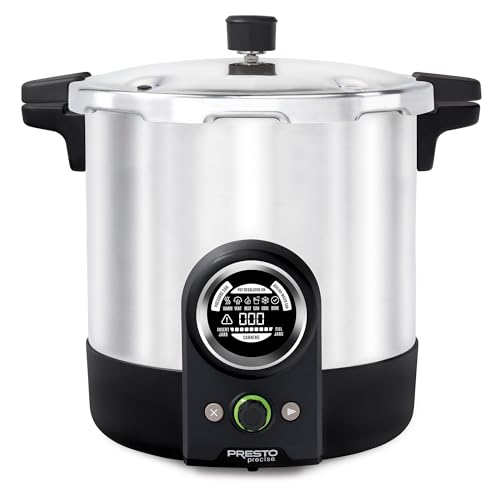
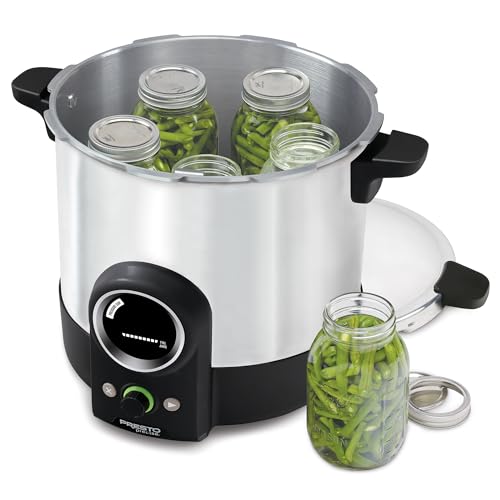

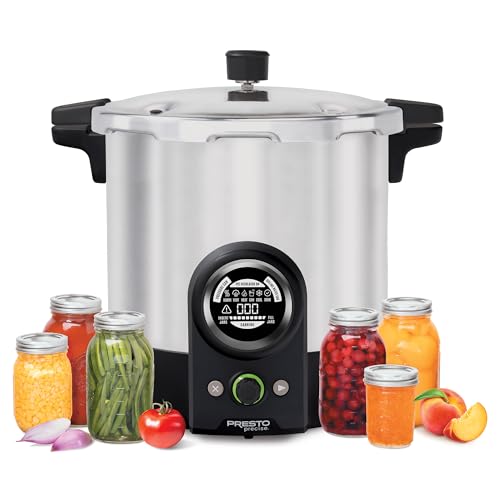


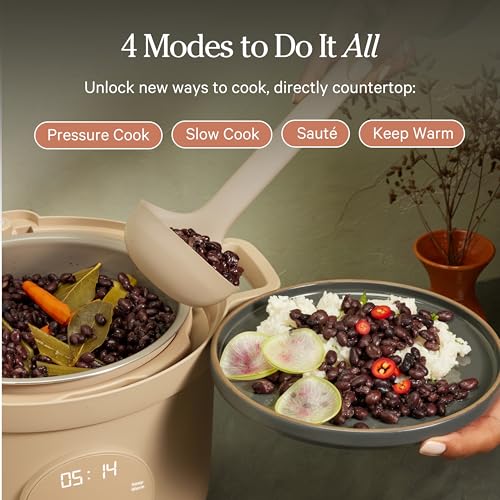








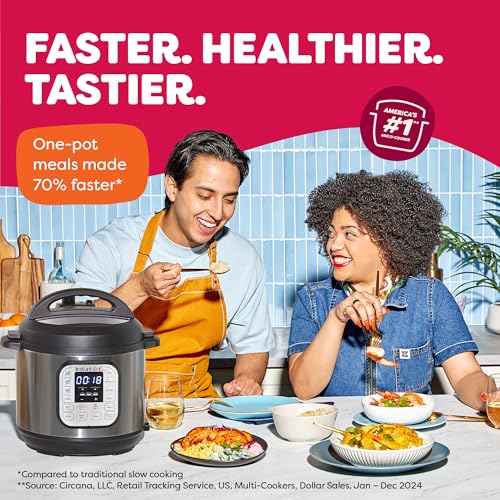


We also considered 10 others:


Our Top Choice
The order above is not editorial opinion, and it is not paid placement. It comes from what shoppers across our network actually do - which pressure cookers they compare, and which they ultimately buy. We re-rank as new data comes in, so the long-term favorites have to keep earning their spot against new entrants. The full method, including how we make money.
Pressure Cookers Buyer's Guide
Buying a pressure cooker is really a choice between fast everyday meals, serious batch cooking, and—in some cases—safe pressure canning. The sharpest tradeoffs are pressure control, usable capacity, and whether the appliance is truly suited to the job you expect it to do, especially if jars and food preservation are involved.
Pressure Safety
A pressure cooker is only as good as its ability to regulate pressure predictably and release steam safely. Shoppers should treat lid locks, pressure indicators, venting paths, overpressure protection, and clear operating instructions as core features, not extras.
Look for a cooker with a locking lid that cannot open under pressure, a visible pressure indicator, a dependable steam-release system, and backup overpressure protection. For stovetop models, make sure your heat source can hold a steady setting; for electric models, confirm that the appliance manages heat and pressure automatically rather than relying on guesswork. This matters especially if you are avoiding stovetop canners on glass cooktops or want a more contained electric setup. Owners specifically praised electric designs as safer and more practical for people who did not want traditional stovetop pressure canning, and they also valued clear prompts and instructions that reduced intimidation.
Cooking Results
Pressure cooking depends on reaching and maintaining the right pressure long enough to tenderize food without drying it out or undercooking dense ingredients. Good performance shows up in consistent pressure buildup, stable heat, and repeatable results across beans, stews, grains, vegetables, and tougher meats.
Choose a model that matches the foods you actually cook: high-pressure capability for beans and tough cuts, reliable low-pressure or gentle modes for delicate foods, and enough wattage or burner responsiveness to come up to pressure without long delays. If you want one appliance for rice, soups, steaming, and pressure cooking, check that the cooking modes are useful rather than just numerous. Owners reported that pressure cooking made meal prep much faster for dishes that normally take hours, and they praised flavorful, tender results on stews, beans, potatoes, eggs, and tougher cuts of meat. Sentiment also points to strong all-around performance when the appliance handles multiple cooking tasks well.
Usable Capacity
Advertised size can be misleading because usable pressure-cooking capacity is lower than total pot volume, and canning capacity depends on jar size and rack layout. The right size should fit your batch habits, storage space, sink, and lifting comfort.
Do not buy by quart rating alone: check the maximum fill lines for pressure cooking, whether the pot can handle foaming foods safely, and whether jars fit upright if canning is part of your plan. Smaller electric units can be convenient for routine meals and small batches, while larger canner-style units are better for serious preserving but take more space and can be heavy when loaded. Owners praised the ability to process large batches such as 20 pints or 7 quarts without seal problems, but they also noted that a 12-quart size is a tradeoff: suitable for smaller batches yet heavier and less roomy than larger stovetop canners. Capacity should therefore be judged as practical working space, not just the number printed on the box.
Canning Readiness
Pressure canning is a different job from pressure cooking dinner. Low-acid food preservation requires validated pressure, time, jar clearance, and venting behavior; a general pressure cooker is not automatically appropriate for that use.
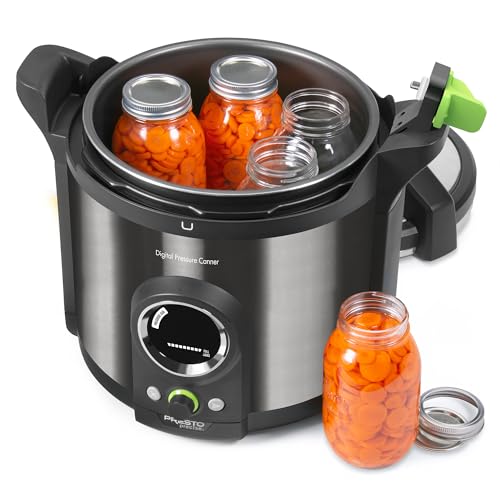
If you plan to preserve low-acid foods, verify that the unit is explicitly designed and instructed for pressure canning, not merely pressure cooking. Look for clear canning procedures, jar rack compatibility, enough vertical clearance, reliable venting, and instructions that address batch size and processing steps; for water-bath use, confirm it can maintain the needed boil and jar coverage. Owner feedback strongly supports this distinction: buyers praised models that made pressure canning feel approachable with automatic prompts and step-by-step guidance, and they reported smooth pressure-canning and water-bath runs with properly sealed jars. Jar sealing and batch capacity were among the most praised canning-specific outcomes, so shoppers should prioritize validated canning function over generic multicooker versatility when preservation is the goal.
Guided Controls
Controls affect both confidence and repeatability, especially for cooks who are nervous about pressure or new to canning. Good interfaces reduce missed steps while still giving experienced users enough control over time, pressure level, release method, and warming behavior.
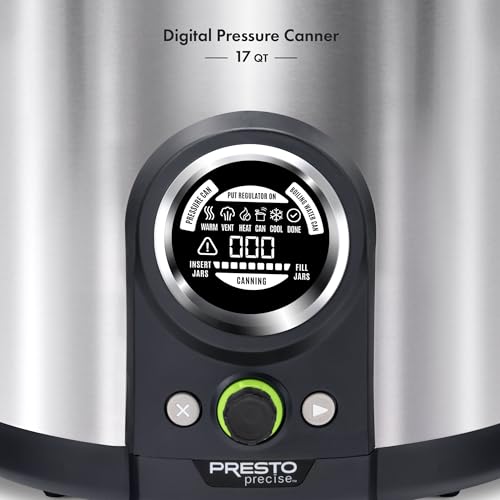
Look for controls that make the pressure cycle obvious: preheat, pressure reached, cooking time, natural release, quick release, and safe-to-open status should be easy to understand. Beginners benefit from guided prompts and clear instructions, while frequent users should make sure presets can be adjusted instead of locking them into unsuitable times. Automated timers and stay-warm functions are useful for weeknight cooking, but they should not hide critical pressure-release steps. Owners repeatedly praised clear prompts, instructions, automated timers, and leave-it-alone convenience, saying these features made both daily cooking and canning feel less intimidating.
Build Quality
Pressure cookers live a hard life: heat cycles, steam, seals, latches, racks, and handles all wear over time. Durable construction and easy cleaning matter because a damaged seal, warped lid, clogged valve, or weak handle can affect both convenience and safety.
Favor sturdy pots, secure handles, replaceable sealing rings or gaskets, accessible valves, and removable parts that are easy to wash without trapping food residue. Check whether the inner pot, rack, lid components, and condensation areas can be cleaned thoroughly, because starches, beans, and canning residue can clog or foul small parts. Owners often described well-performing units as sturdy, durable, high quality, and easy to clean after canning sessions, which made regular use more appealing. The main caution in the sentiment is durability: some buyers reported dented units or broken handles, so inspect construction details closely and treat handle strength as a safety issue, not just a convenience feature.
1,000,000+ shoppers use Buyer's Guide every week to find the best products and services online.

Helping millions of users make smarter purchases online.


