

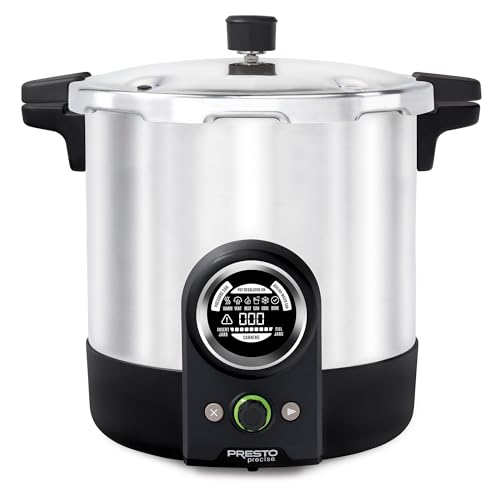
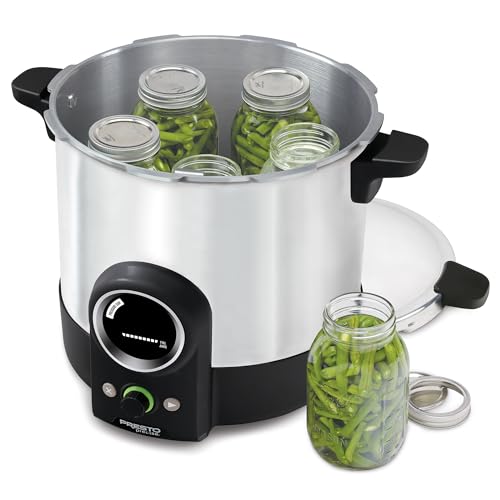

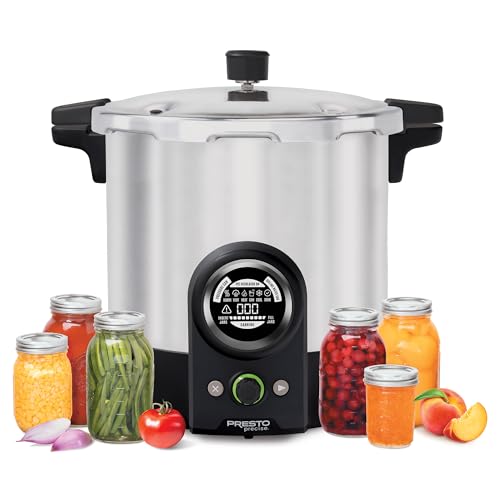



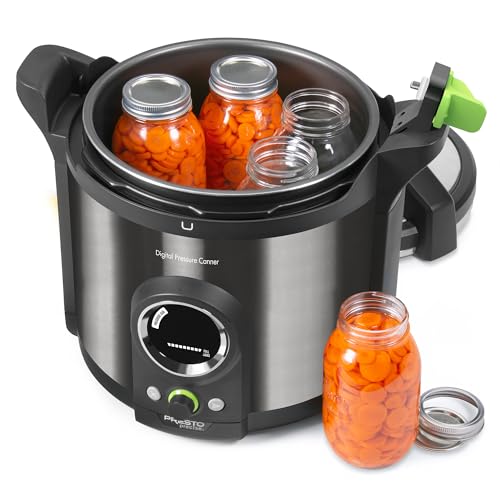


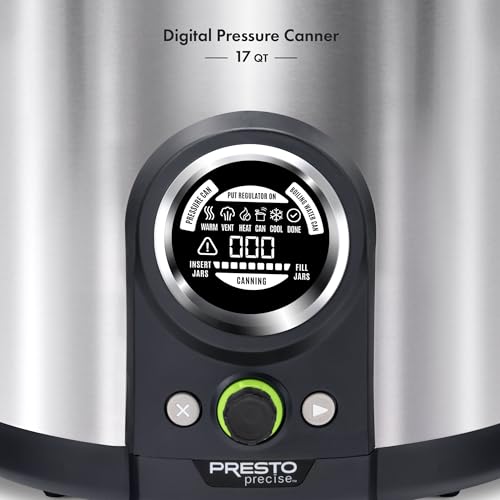


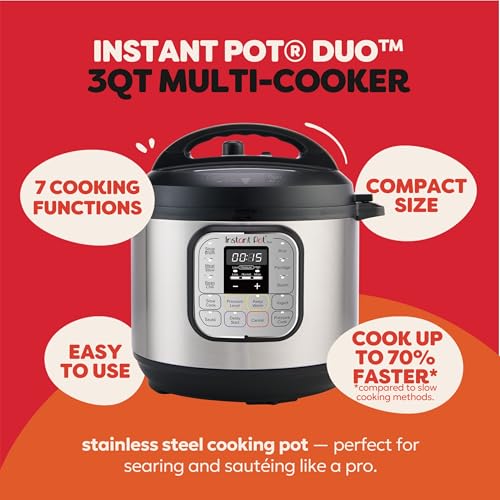


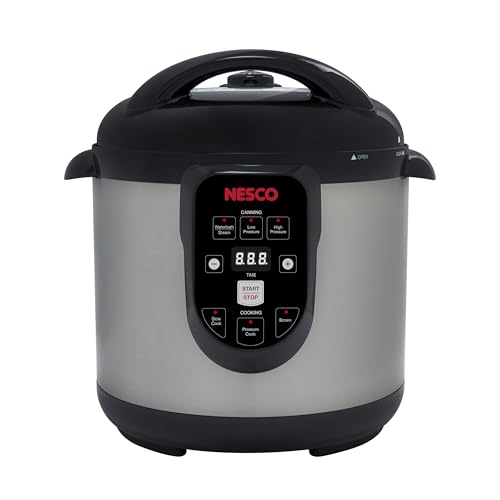


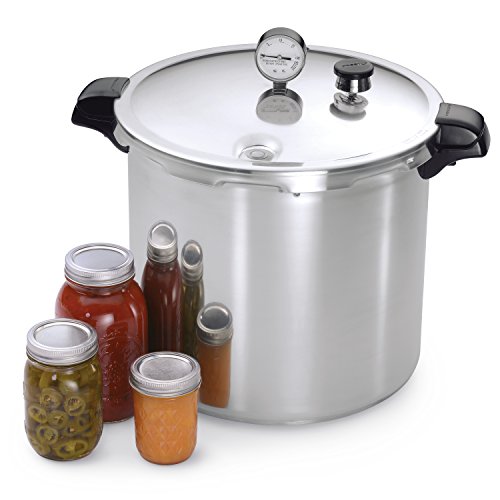



We also considered 10 others:


Our Top Choice
The order above is not editorial opinion, and it is not paid placement. It comes from what shoppers across our network actually do - which presto electric pressure canners they compare, and which they ultimately buy. We re-rank as new data comes in, so the long-term favorites have to keep earning their spot against new entrants. The full method, including how we make money.
Presto Electric Pressure Canners Buyer's Guide
Buying an electric pressure canner is a safety-and-workflow choice, not just a capacity upgrade: the appliance has to maintain the right processing conditions while also fitting the jar batches you actually can. The sharpest concerns are pressure accuracy for shelf-stable low-acid foods, heat compatibility or recovery, and whether a full hot vessel can be handled and cleaned without risky lifting.
Pressure Safety
Pressure canning depends on maintaining the correct processing conditions for the food, jar size, recipe, and altitude. A canner that is powerful but vague about pressure, venting, or timing can create unsafe results even if it appears to run normally. Clear controls and verifiable pressure behavior matter more here than convenience features alone.
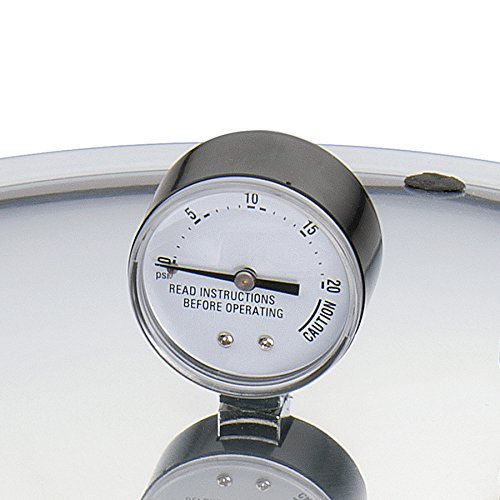
For shelf-stable low-acid foods, prioritize a true pressure-canning unit with clear pressure regulation, an altitude-adjustment method, a locking lid, venting instructions, and a readable gauge or status display; avoid assuming that a boiling-water or multi-cooker appliance is safe for pressure canning. The key failure mode in this niche is not just undercooking dinner—it is processing jars at the wrong pressure or temperature for the recipe, especially if the unit is hard to read or needs adjustment. Owner feedback supports this as the central caveat: users generally report that their canners work well overall, but pressure control and dial readability are the areas where some units need attention over time.
Batch Capacity
Canning is batch work, so jar count directly affects how long a preserving day takes. Capacity should be judged by usable jar layout, not just total quarts, because racks, lid clearance, and water level can reduce real-world space. The best size is the one that handles your normal harvest or meal-prep volume without making handling difficult.
Match the canner’s usable jar capacity to the batches you actually run: look for stated counts by jar size, rack design, headroom for boiling or pressure operation, and whether the interior supports your preferred pints, quarts, or mixed loads. Bigger capacity is valuable only if it still heats evenly, fits your storage space, and does not become unsafe or awkward to lift when full. Owners strongly value roomy bodies for serious canning sessions, with reports of multiple jars fitting at once and large-capacity models feeling like a meaningful upgrade from smaller stovetop workflows.
Heat Match
A canner’s heat source determines how quickly it reaches processing conditions and how steadily it holds them. Compatibility matters because not every large canner works well on every cooktop or electrical setup. In this category, reliable heat recovery after loading jars is more important than raw speed alone.
Check the heating setup before buying: countertop electric units need the right outlet, adequate wattage, and enough heating power to recover after jars are loaded, while stovetop-compatible pressure canners must match the cooktop material, especially if induction is involved. For boiling-water tasks, filling with hot water can shorten the climb to temperature and reduce frustration, but pressure canning still depends on the unit holding the required processing conditions. Owner sentiment highlights heating performance as a major separator: some canners are praised for heating up and canning as expected on induction, while electric water-bath-style units are liked when used as intended for boiling-water jobs.
Easy Controls
Canning has a fixed sequence, and small timing errors can change the result. Good controls make it obvious when processing has actually begun, when it has ended, and what the user should do next. This is especially important for first-time canners, who need the appliance to reinforce the correct process rather than hide it.
Look for controls that reduce timing mistakes: a clear temperature or pressure setting, obvious start/stop behavior, a timer that begins only after the target condition is reached, and instructions that explain the lid sequence, venting, and cool-down. Avoid designs where a small knob, unclear display, or hard-to-read dial leaves you guessing during processing. Owners repeatedly describe good units as straightforward to learn, clean, and operate once the lid and process become familiar, and they specifically appreciate features such as a temperature knob, timer, manual, and automatic timer start after the target temperature is reached.
Easy Cleanup
Canning cleanup often involves hot water, sticky jar residue, and a large vessel that may be too heavy to tip safely. Handling features affect both convenience and burn risk. Easy emptying and cleaning also make it more likely the canner will be used regularly instead of reserved for rare large jobs.
Choose a design that makes full-pot handling realistic: side handles that stay secure, a stable base, a drain spout for water-bath use, and an interior that can be wiped clean without working around fragile parts. A full canner is heavy and hot, so any feature that prevents lifting several gallons of water is more than a convenience. Owners call out drain spouts as a meaningful cleanup advantage because they let water run out without lifting a heavy full pot, and several also describe the better units as easy to clean and operate.
Build Quality
Pressure canners experience repeated heat, steam, weight, and seal stress, so weak components tend to show up over time. A durable unit protects both the canning process and the user’s confidence in each batch. Value in this category comes from dependable seasons of use, not from extra features that do not improve safe processing.
Favor sturdy construction, replacement-part availability where applicable, and a design that feels dependable under repeated heating and cooling cycles. Inspect details such as lid fit, gasket or seal design, rack strength, gauge visibility, and whether the body feels rigid without being unnecessarily heavy. Owner sentiment is positive on build and value overall: buyers describe large bodies as sturdy, roomy, dependable, and well built, while the main caution is that longer-term reliability and pressure-readability issues can appear on some units.
1,000,000+ shoppers use Buyer's Guide every week to find the best products and services online.

Helping millions of users make smarter purchases online.


