






















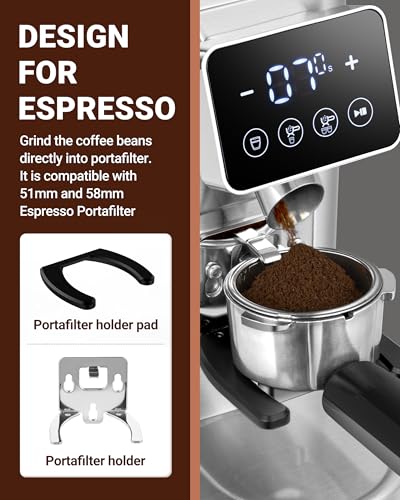
We also considered 10 others:


Our Top Choice
The order above is not editorial opinion, and it is not paid placement. It comes from what shoppers across our network actually do - which electric burr coffee grinders they compare, and which they ultimately buy. We re-rank as new data comes in, so the long-term favorites have to keep earning their spot against new entrants. The full method, including how we make money.
Electric Burr Coffee Grinders Buyer's Guide
Electric burr coffee grinders are bought for repeatability: the goal is to turn whole beans into a predictable grind for your exact brew method without adding noise, mess, or fussy cleanup to the morning routine. The sharpest tradeoff is usually between grind precision and day-to-day convenience, especially in small kitchens where static, grounds retention, and footprint matter as much as raw performance.
Grind Control
A burr grinder is only worth the counter space if it produces a uniform particle size for the way you brew. Consistent grounds help extraction stay repeatable from cup to cup, while a wide enough adjustment range keeps the grinder useful as your brew methods change.
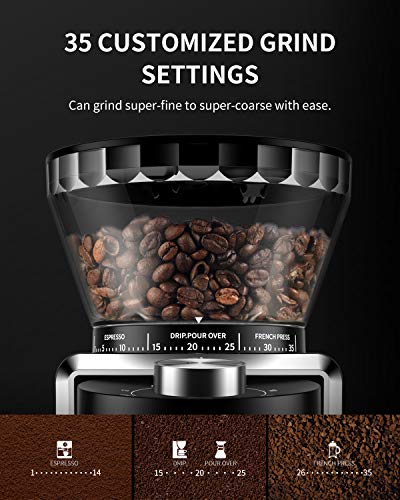
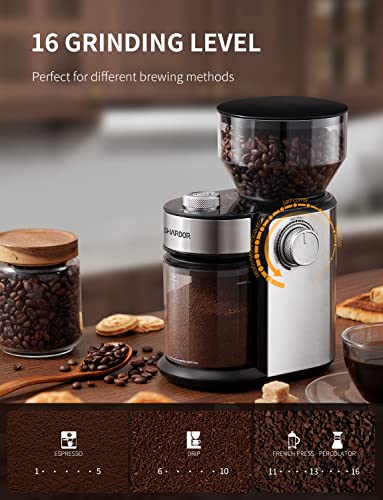
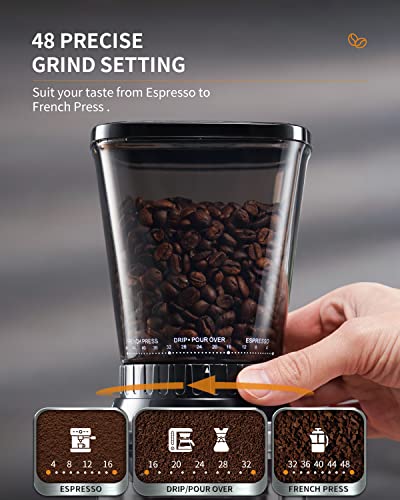
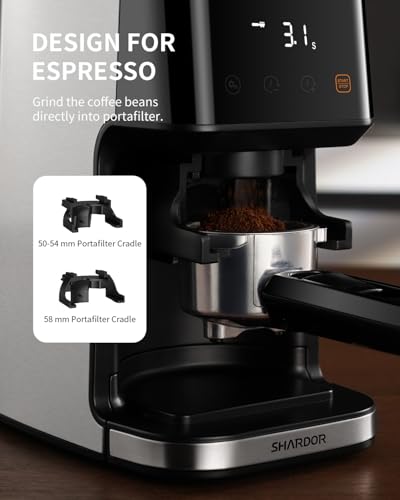
Prioritize a grinder with clearly marked, repeatable adjustments and enough usable range for your actual brewers: coarser settings for French press, medium-fine control for pour-over, and fine-enough steps if you expect to use pressure-style brewers. Avoid grinders where the adjustment feels vague, drifts during operation, or has many labeled settings but only a narrow range that actually works. Owner sentiment strongly supports this as a core buying factor: buyers praised adjustable presets for delivering consistent grounds across brewing methods, and specifically called out precise, repeatable results for pour-over, Aeropress, French press, and similar setups.
Build Quality
Electric grinders deal with hard beans, vibration, and repeated motor loads, so build quality affects both grind stability and long-term satisfaction. A solid grinder should feel steady under load, run smoothly, and keep performing consistently in everyday use.
Look for a stable base, burr carrier alignment that does not wobble, a hopper and grounds bin that seat securely, and a motor that sounds smooth rather than strained. For home use, reliability is not just lifespan; it also means the grinder behaves the same way every morning without jams, drifting settings, or inconsistent output. Owner feedback backs this up: shoppers described these grinders as dependable daily upgrades, well-made machines, and smooth everyday performers, with quality and reliability repeatedly tied to better coffee routines.
Daily Use
A grinder that is technically capable can still be frustrating if it is loud, awkward, or oversized for the space where coffee is made. Simple controls and a manageable footprint matter because grinding is often part of a rushed morning routine.
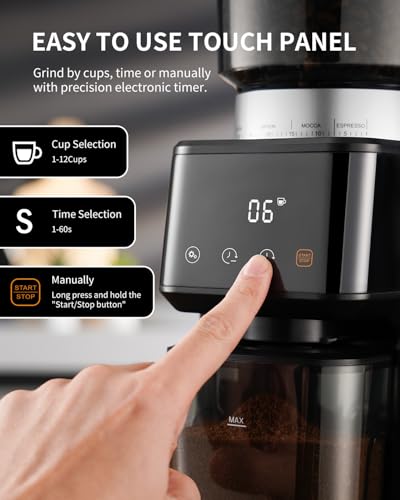
Choose controls that match how you actually brew: timed grinding, cup selection, or simple start-stop operation can all work, but the interface should make it easy to repeat your dose without rethinking the process. In apartments, shared homes, or early-morning households, pay attention to motor noise and vibration, and check that the grinder fits under cabinets with enough room to remove the hopper or bin. Owner sentiment supports this convenience focus: buyers appreciated straightforward setup, easy daily operation, cup selection, relatively quiet grinding, and compact footprints that fit small kitchens and early-morning use.
Mess Control
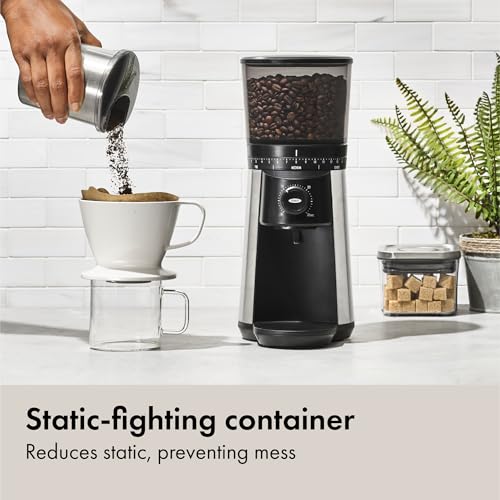
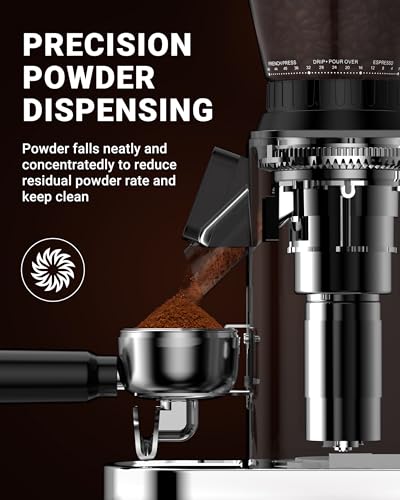
Coffee grounds are light, oily, and prone to static, so mess control is a real performance issue rather than a cosmetic detail. Easy burr access and a well-designed grounds path make regular cleaning more likely, which helps preserve flavor and keeps the grinder pleasant to use.
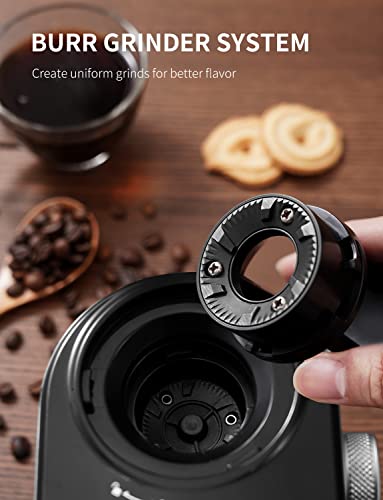
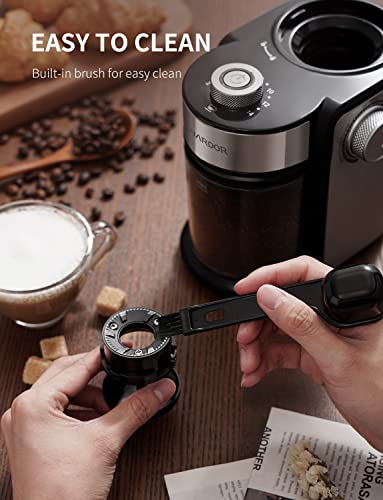
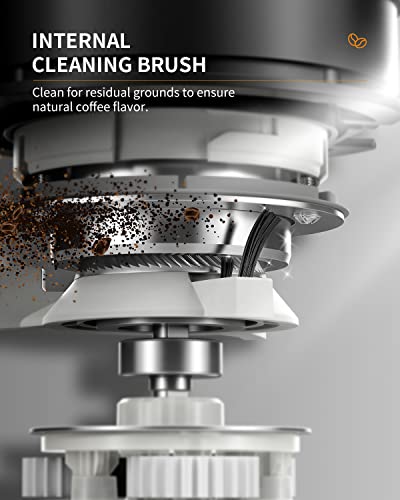
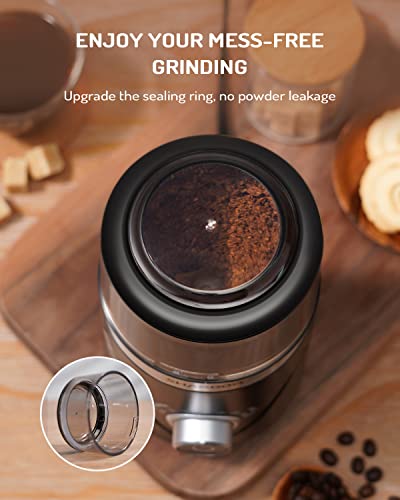
Inspect how the grounds bin removes, whether the chute is easy to brush out, and whether the burrs can be accessed without complicated disassembly. Favor designs with removable burrs, few trapped-ground pockets, and a bin shape that pours cleanly; be cautious with grinders known for static cling, grounds spraying, or spilling when the container is pulled out. Owner reports make this a clear watch-out: cleanup was often described as straightforward thanks to removable burrs and modular design, but mess from grounds and static was the main complaint, with some owners needing workarounds such as a towel or a light water spritz.
Real Value
The best value in this category is not the cheapest grinder; it is the one that delivers consistent burr performance without paying for features you will not use. A careful shopper should compare usable grind range, durability, and maintenance access rather than relying on feature lists alone.
Spend for the fundamentals first: consistent burr alignment, stable settings, reliable motor performance, and cleaning access. Extra presets, sleek finishes, or large hoppers matter less if the grinder cannot repeat a grind size or creates a messy workflow every day. Owner sentiment supports this hierarchy: buyers felt strong value when build and performance matched expectations, describing the purchase as a solid upgrade rather than a compromise when quality, functionality, and consistency were all present.
1,000,000+ shoppers use Buyer's Guide every week to find the best products and services online.

Helping millions of users make smarter purchases online.


