






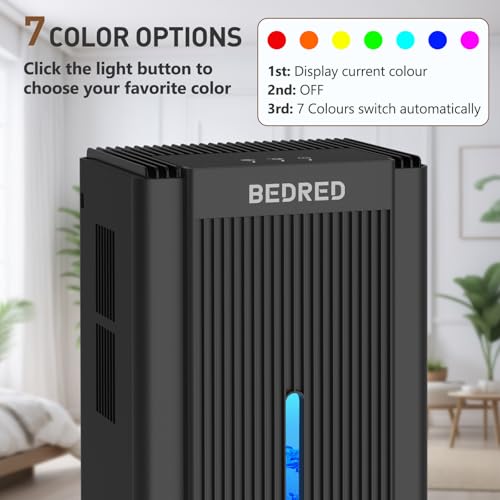




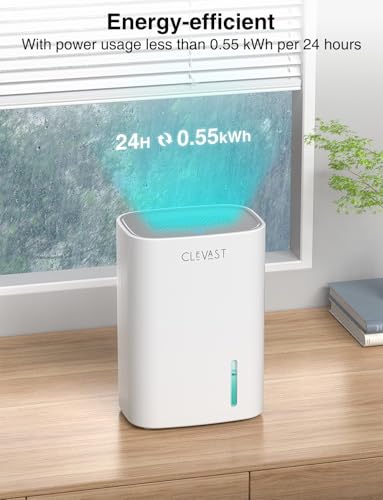

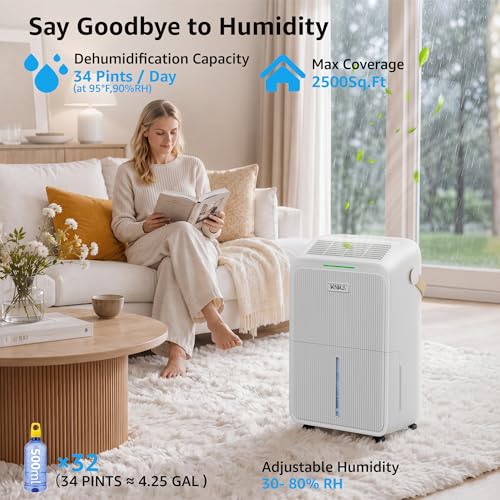

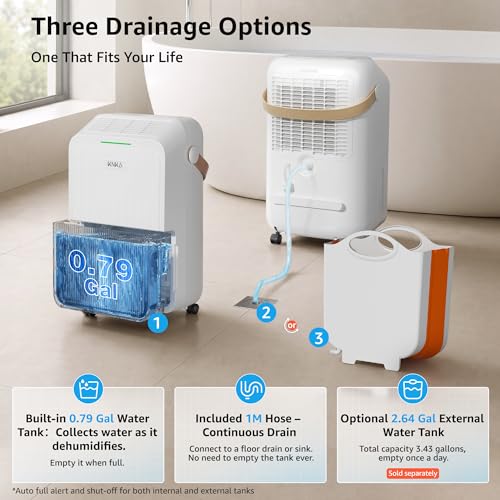


We also considered 10 others:


Our Top Choice
Compare Features


The order above is not editorial opinion, and it is not paid placement. It comes from what shoppers across our network actually do - which dehumidifiers for bathroom they compare, and which they ultimately buy. We re-rank as new data comes in, so the long-term favorites have to keep earning their spot against new entrants. The full method, including how we make money.
Dehumidifiers for Bathrooms Buyer's Guide
Bathroom dehumidifiers have to balance fast post-shower moisture removal with safe placement in a wet, cramped room. The sharpest buying concerns are whether the unit can actually beat condensation before mildew starts, and whether its tank, cord, drain option, and controls are safe and manageable near sinks, tubs, and daily foot traffic.
Performance
You want a dehumidifier that can pull enough moisture from the air to bring your room to a comfortable humidity level and keep it there, not just collect water occasionally. Look for capacity that matches your space size and dampness level, steady humidity control with an adjustable humidistat, and performance in the temperatures where you’ll use it. Watch out for undersized units, vague moisture-removal claims, or models that run constantly without noticeably reducing humidity.
For a bathroom, prioritize an active dehumidifier that can recover quickly after showers, not just slowly absorb background dampness. Look for a real humidity target or continuous mode, enough rated capacity for the room size, and performance at the temperatures your bathroom actually reaches; avoid relying on hanging absorber bags as the main solution for shower steam, because they are better for cabinets, closets, and other enclosed damp spots. Owner reports support this distinction: active units are often credited with sharply dropping humidity overnight, filling tanks quickly, reducing condensation after showers, and making small bathrooms feel fresher, while passive bags are praised mainly for visibly collecting moisture in closets, pantries, cars, cabinets, and storage spaces.
Ease
You’ll live with a dehumidifier day to day, so ease of use matters as much as moisture removal: look for simple setup, clear controls, an easy-to-read display, and settings that are intuitive enough to adjust without fuss. Pay attention to maintenance, too—features like a removable water tank with a comfortable handle, accessible filter, clear full-tank alerts, and an option for continuous drainage can make the difference between a unit you use consistently and one that becomes a chore.
In a bathroom, ease of use depends on how safely and automatically the unit handles repeated humidity spikes: choose auto shutoff, a clearly readable humidistat or indicator, simple post-shower modes or timers, and a tank you can remove without spilling in a tight room. If you plan to run it daily, check that the drain hose can route continuously and downhill to a tub, sink, shower, or floor drain without crossing a walkway, and use a properly protected bathroom outlet rather than stretching cords near water. Owners commonly back up the importance of these features, describing simple setup, intuitive controls, easy-to-empty tanks, auto shutoff, included drain hoses, timed modes, and clear indicators as making day-to-day use straightforward.
Build
You want a dehumidifier that feels sturdy and can handle regular vibration, moisture exposure, and frequent bucket removal without cracking, leaking, or becoming noisy over time. Look for solid housing, smooth-fitting water buckets, durable wheels or handles, and owner feedback that points to long-term reliability rather than early failures or rattling parts.
For bathroom use, scrutinize leak control and moisture tolerance before aesthetics: the tank should seat securely, have a stable handle or lip, resist dribbling during removal, and the unit should sit solidly where it cannot be splashed or tipped. Avoid flimsy tank latches, exposed hard-to-clean grilles, or designs that make you tilt a full reservoir over the floor; also remember that most dehumidifiers are not waterproof, so placement outside splash zones matters. Owner sentiment aligns with this: well-liked units are described as well designed, compact but not flimsy, easy to monitor and empty, contained without leaks, and durable enough for ongoing damp-space use.
Noise
Noise matters because a dehumidifier may run for hours at a time, especially in bedrooms, living rooms, basements, or home offices where a constant hum can become distracting. Look for quiet operation at the fan speeds you’ll actually use, and watch out for units that are tolerable on low but noticeably loud or rattly on high, especially if you plan to place one near where you sleep, work, or relax.
For an ensuite or bathroom near sleeping areas, decide whether you need quiet overnight drying or only a louder high-power burst after showers. Look for a low fan setting, timer, or humidity-triggered operation so the unit can run after bathing without droning all night; compressor models may remove moisture faster but can sound more mechanical, while smaller fan-based units may be quieter but slower. Owners generally find many units quiet enough for bedrooms, family rooms, TV areas, and overnight use, though feedback on some compressor-style units is more mixed and often compares the sound to a small fan.
Size
You need a dehumidifier that fits where moisture actually builds up, whether that’s a basement corner, laundry room, closet, or bedroom. Look at the unit’s footprint, height, and clearance needs so it won’t block walkways, doors, vents, or shelves; a compact size can be easier to place, but watch that it still has enough capacity for the space you need to dry.
Bathroom size is not just footprint: the unit must fit while keeping intake and exhaust vents clear, leaving room to remove the tank, and keeping the cord and body away from sinks, tubs, and shower spray. Compact tabletop units can work well for small baths, RV bathrooms, and powder rooms, but ultra-small units may not keep up with long hot showers; larger portable units may be better for shared bathrooms if there is safe floor space and proper clearance. Owners repeatedly appreciate compact designs that fit bathrooms, closets, RVs, nightstands, and small rooms, and they also value handles, wheels, and portable footprints when moving a unit between damp spaces.
Value
You want a dehumidifier that delivers value for money by matching its price to the space it can handle, its moisture removal performance, and the features you’ll actually use. Look for reliable humidity control, appropriate capacity, easy drainage, and energy-conscious operation, while avoiding paying extra for oversized units or convenience features that do not fit your needs.
For a bathroom, judge value by moisture removed per day, leak-free operation, energy use, and how much maintenance the unit prevents, not by low upfront cost alone. Cheap passive absorbers or tiny units can be sensible for linen closets, vanities, or occasional dampness, but they are usually poor value as the primary defense against shower condensation, peeling paint, musty towels, or mildew-prone grout. Owner feedback supports paying for practical capability: buyers tend to call units good values when they feel reliable, efficient, durable, leak-free, and capable in small rooms, bathrooms, pool houses, or supplemental damp-space use.
1,000,000+ shoppers use Buyer's Guide every week to find the best products and services online.

Helping millions of users make smarter purchases online.


