










We also considered 10 others:


Our Top Choice
Compare Features


The order above is not editorial opinion, and it is not paid placement. It comes from what shoppers across our network actually do - which dehumidifiers for rv they compare, and which they ultimately buy. We re-rank as new data comes in, so the long-term favorites have to keep earning their spot against new entrants. The full method, including how we make money.
Dehumidifiers for RV Buyer's Guide
In an RV, dehumidifying is a balance between pulling enough moisture from a tiny, poorly ventilated shell and not creating problems with noise, power draw, spills, or lost living space. The biggest checks are whether the unit can handle whole-cabin condensation versus just cabinets and closets, and whether it can drain safely while parked without becoming a travel-day leak risk.
Performance
You want a dehumidifier that can pull enough moisture from the air to bring your room to a comfortable humidity level and keep it there, not just collect water occasionally. Look for capacity that matches your space size and dampness level, steady humidity control with an adjustable humidistat, and performance in the temperatures where you’ll use it. Watch out for undersized units, vague moisture-removal claims, or models that run constantly without noticeably reducing humidity.
For RV use, choose the moisture-removal method by zone: a powered compressor unit is best for whole-rig humidity when on shore power, a compact electric unit can help in a bathroom or sleeping area, and hanging/box absorbers should be treated as closet, cabinet, pantry, gun-safe, or storage-compartment aids—not as the main dryer for a damp trailer. Look for a humidistat, continuous-run option, auto defrost or low-temperature suitability for shoulder-season camping, and enough capacity to keep condensation off windows and wall corners after showers, cooking, and overnight breathing. Owner feedback supports this split: small absorbers are praised for visibly collecting water in enclosed spaces, while powered units are credited with sharp overnight humidity drops and noticeably fresher, drier air in damp rooms and small spaces.
Ease
You’ll live with a dehumidifier day to day, so ease of use matters as much as moisture removal: look for simple setup, clear controls, an easy-to-read display, and settings that are intuitive enough to adjust without fuss. Pay attention to maintenance, too—features like a removable water tank with a comfortable handle, accessible filter, clear full-tank alerts, and an option for continuous drainage can make the difference between a unit you use consistently and one that becomes a chore.
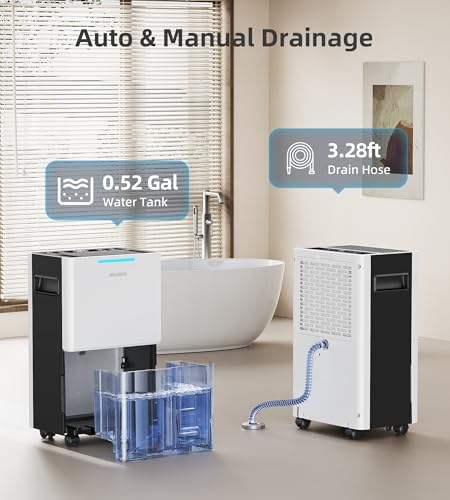
In an RV, prioritize a unit you can empty or drain without moving half the cabin: front-access tanks, clear water level markings, auto shutoff, and a secure continuous-drain hose that can route to a shower pan, sink, or approved drain are especially useful. Also check auto-restart after campground power blips, simple manual controls, and whether the tank must be removed vertically in a spot where cabinets or counters may block it; always empty and secure it before towing. Owners generally reinforce these priorities, describing simple setup, intuitive controls, easy tank emptying, auto shutoff, included hose drainage, and flexible placement in tight spaces as major day-to-day advantages.
Noise
Noise matters because a dehumidifier may run for hours at a time, especially in bedrooms, living rooms, basements, or home offices where a constant hum can become distracting. Look for quiet operation at the fan speeds you’ll actually use, and watch out for units that are tolerable on low but noticeably loud or rattly on high, especially if you plan to place one near where you sleep, work, or relax.
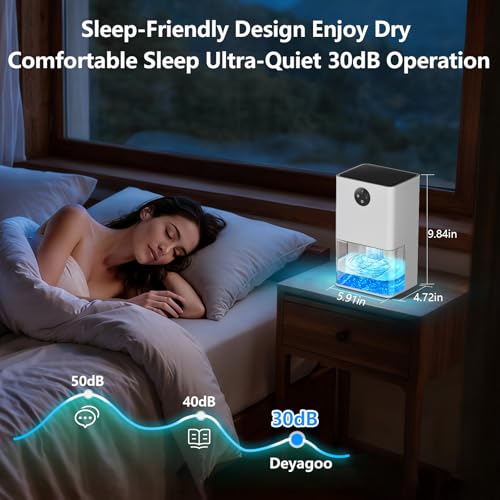
Because the dehumidifier may be running only a few feet from the bed or dinette, look for low-speed or sleep modes and avoid units with harsh compressor cycling, rattly housings, or fans that resonate through thin RV floors and cabinetry. Rubber feet, a stable counter/floor position, and avoiding direct contact with lightweight cabinet panels can matter as much as the published noise rating. Owner sentiment is mostly encouraging here: many users describe suitable bedroom or overnight operation, often as a steady background hum, though some feedback is mixed and suggests checking expectations if the unit will run right beside a sleeping area.
Build
You want a dehumidifier that feels sturdy and can handle regular vibration, moisture exposure, and frequent bucket removal without cracking, leaking, or becoming noisy over time. Look for solid housing, smooth-fitting water buckets, durable wheels or handles, and owner feedback that points to long-term reliability rather than early failures or rattling parts.
For an RV, build quality should focus on leak control and travel durability: a reliable float shutoff, tight tank seal, secure drain-hose connection, sturdy handle, washable filter, and housing that tolerates vibration are more important than decorative extras. Avoid designs with easy-to-tip tanks, flimsy hose barbs, or absorbent materials that could spill brine or collected water into cabinets; for hanging absorbers, make sure the pouch stays sealed and hangs where it cannot rub, puncture, or drip onto woodwork. Owner reports support looking for contained, leak-free designs, with praise for simple maintenance, solid-feeling compact builds, clear readouts, durable operation, and moisture absorbers that stay contained while helping with musty odors.
Size
You need a dehumidifier that fits where moisture actually builds up, whether that’s a basement corner, laundry room, closet, or bedroom. Look at the unit’s footprint, height, and clearance needs so it won’t block walkways, doors, vents, or shelves; a compact size can be easier to place, but watch that it still has enough capacity for the space you need to dry.
Measure the actual RV location before buying, including intake/exhaust clearance, tank-removal clearance, cord reach to a safe outlet, and where the unit will be stored while driving. A compact tabletop model is often ideal for bathrooms, bunks, and travel trailers, but a very small tank may need frequent dumping in rainy climates or after showers; larger floor units can dry better but may block walkways and need to be strapped or stored for travel. Owner feedback mirrors this RV tradeoff: compact units are liked for fitting campers, travel trailers, closets, bathrooms, and nightstands, but smaller tanks and lighter builds can mean less power or more frequent emptying in very wet spaces.
Value
You want a dehumidifier that delivers value for money by matching its price to the space it can handle, its moisture removal performance, and the features you’ll actually use. Look for reliable humidity control, appropriate capacity, easy drainage, and energy-conscious operation, while avoiding paying extra for oversized units or convenience features that do not fit your needs.
The best value for an RV is not simply the cheapest unit—it is the one that prevents mold, musty bedding, swollen cabinetry, window condensation, and long-term moisture damage without excessive power use or constant attention. Factor in electricity draw on shore power or inverter use, replacement costs for disposable absorbers, expected runtime during storage, warranty, and whether one main unit plus targeted closet absorbers is more effective than several undersized gadgets. Owners tend to see strong value when units are reliable, efficient, leak-free, durable, and genuinely effective in small or supplemental spaces, while absorbers are considered worthwhile for closets and tight enclosed areas.
1,000,000+ shoppers use Buyer's Guide every week to find the best products and services online.

Helping millions of users make smarter purchases online.


