


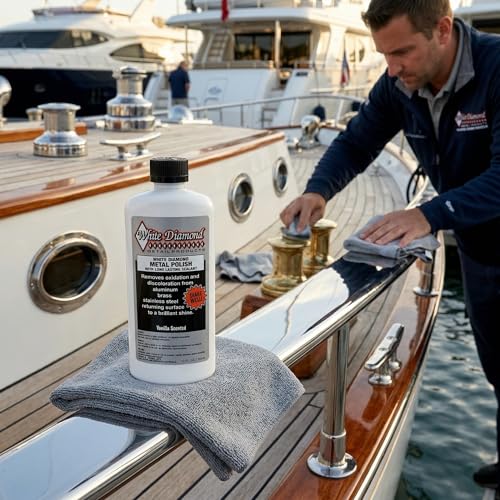





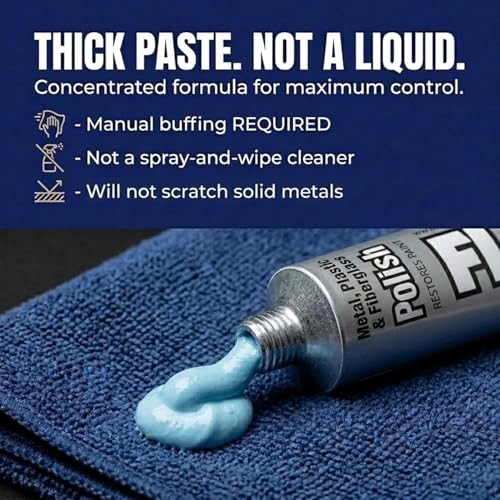


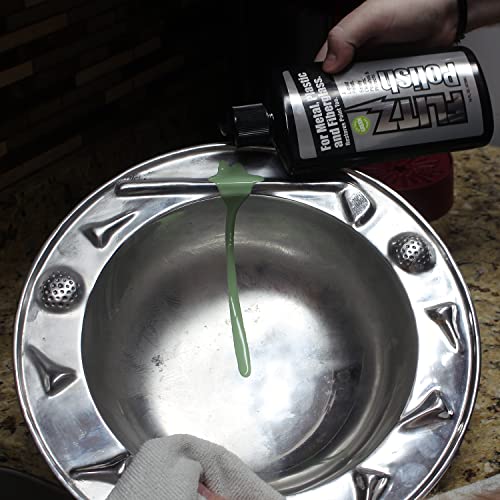
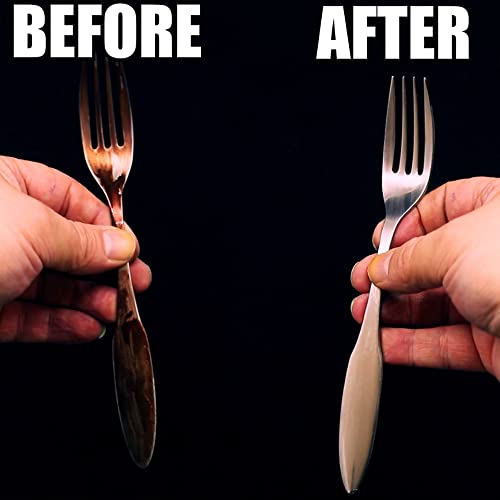




We also considered 10 others:


Our Top Choice
The order above is not editorial opinion, and it is not paid placement. It comes from what shoppers across our network actually do - which chrome polishes they compare, and which they ultimately buy. We re-rank as new data comes in, so the long-term favorites have to keep earning their spot against new entrants. The full method, including how we make money.
Chrome Polishes Buyer's Guide
Chrome polish buying is a balance between enough cut to remove oxidation, road film, water spotting, and exhaust staining, and enough gentleness to avoid hazing thin plated chrome or scratching adjacent trim. The safest pick depends on whether you are restoring plated chrome, bare aluminum wheels, stainless exhaust tips, mixed motorcycle parts, jewelry, or even nearby plastic/fiberglass pieces.
Surface Fit
Chrome and chrome-like jobs often involve mixed materials: plated trim, bare aluminum, stainless exhaust, brass or copper accents, and sometimes plastic lenses or fiberglass nearby. A polish that is excellent on bare metal may be too aggressive or simply not intended for coated, plated, or non-metal surfaces.
Check the label for the exact surfaces you plan to touch: plated chrome, aluminum, stainless steel, brass, copper, plastic, fiberglass, jewelry, or clear-coated metal. For wheels, motorcycles, RV trim, and exhaust pieces, prioritize formulas that clearly state compatibility with chrome-style surfaces and aluminum, and avoid using a metal polish on coated or painted trim unless it is explicitly safe there. Owner reports strongly favor polishes with broad compatibility, with buyers praising results on aluminum, stainless, chrome-style surfaces, brass, copper, jewelry, plastic, fiberglass, and even yellowed headlight lenses in some cases.
Cleaning Cut
The job may be light brightening, or it may involve oxidation, discoloration, surface rust, road grime, exhaust soot, or old residue. Choosing the wrong strength can either waste time or push you into unnecessary abrasion.
For dull but intact chrome, choose a mild polish meant to clean and brighten without heavy cutting; for neglected aluminum, stainless exhaust tips, motorcycle parts, or wheels, look for stronger oxidation and discoloration removal. Treat heavy oxidation, pitting, peeling chrome, or old coatings as a different restoration job rather than expecting a polish alone to fix it. Owner sentiment supports this split: many buyers report strong revival of dull metal, tailpipes, muffler caps, wheels, and motorcycle parts, while heavier oxidation or old coatings are described as more situational and sometimes needing a more aggressive process.
Mirror Finish
The final look is the main reason most shoppers buy chrome polish, but shine quality varies from merely cleaner to mirror-like. Good polish should leave clarity and reflectivity without cloudy residue, uneven haze, or a greasy-looking film.
Look for polish that specifically promises a bright, reflective finish on chrome or polished metal, not just general cleaning. For show-facing wheels, motorcycle chrome, exhaust tips, and trim, the failure mode to avoid is a surface that looks cleaner but still gray, cloudy, or streaked after buffing. Owner feedback repeatedly highlights shine as the standout result, with dull aluminum, chrome-like surfaces, stainless pieces, exhaust parts, jewelry, and other metals often described as bright, glossy, reflective, or close to new-looking after polishing.
Scratch Control
Chrome plating can be thin, and some “chrome” pieces are coated or plated over another metal. Abrasive pads and compounds can be useful, but the wrong abrasive level or pressure can leave swirls, haze, or scratches that are worse than the original dullness.
Favor non-scratching formulas and soft microfiber or cotton applicators for plated chrome; reserve extra-fine 0000 steel wool or more abrasive methods for appropriate surfaces and test in a hidden area first. Use lubrication, light pressure, and straight, controlled passes on delicate trim, guitar frets, jewelry, or chrome-like finishes, and stop if you see dark plating loss, haze, or drag. Owner reports support careful-use abrasion control: extra-fine pads are praised for delicate polishing jobs and for leaving metal shiny and smooth without obvious scratching when used carefully, while some polishes are also credited with reducing the look of light scratches or haze.
Buffing Ease
Metal polishing is physical work, so spread, dry time, residue, and buffing effort matter as much as the formula. A polish that cuts well but takes excessive rubbing or leaves stubborn residue can turn small trim jobs into tiring, messy work.
For hand use, choose a polish that works with a small amount on a cloth, spreads thinly, flashes or dries predictably, and wipes off cleanly without endless buffing. If you are doing wheels, patio furniture, motorcycle parts, or multiple exhaust tips, easy wipe-down and low mess matter; heavy rubbing can also increase scratch risk on plated chrome. Owners repeatedly describe the better experiences as straightforward: a cloth, a small amount of polish, some buffing, short dry time, and visible results, with several noting that a little product spreads well and buffs to a nice finish without much rubbing.
Use Value
Chrome polish is often used repeatedly on vehicles, tools, wheels, trim, and small household metal pieces, so value comes from usable yield and consistency, not just container size. Applicators and pads also differ in whether they hold together across projects or become single-use after tough cleaning.
Judge value by how little product is needed per panel, whether the container will last through repeat maintenance, and whether pads or applicators survive the kind of work you do. Occasional touch-ups need less quantity but dependable shelf performance; wheel or shop users should care more about coverage, pad durability, and consistent results across many parts. Owner sentiment backs this approach: buyers often say a small amount goes far, containers last a long time, multi-surface usefulness improves value, and long-time users trust consistent quality, though pad size and durability can vary after tougher cleaning jobs.
1,000,000+ shoppers use Buyer's Guide every week to find the best products and services online.

Helping millions of users make smarter purchases online.


