


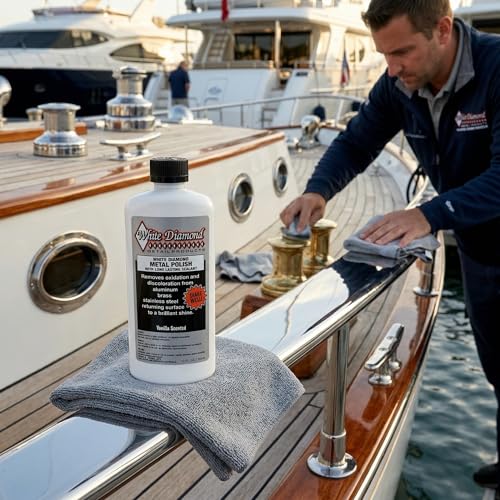





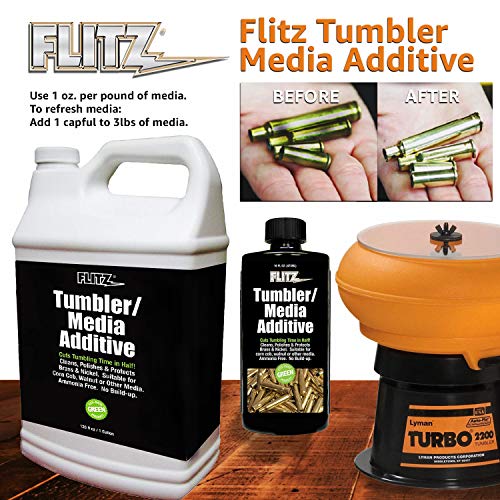


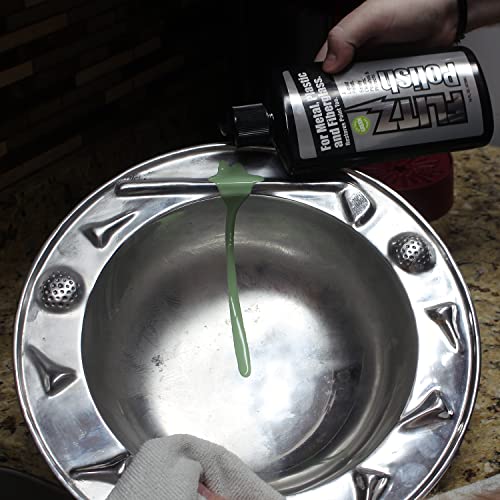
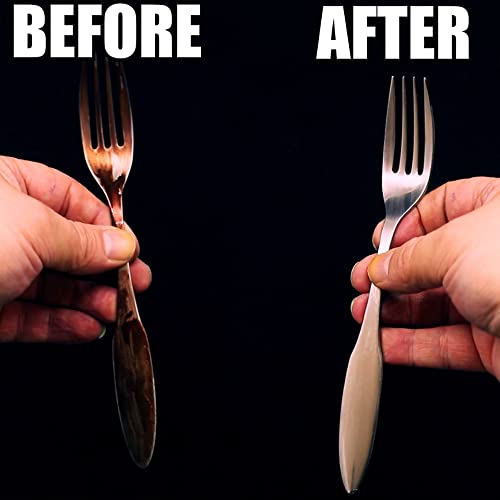
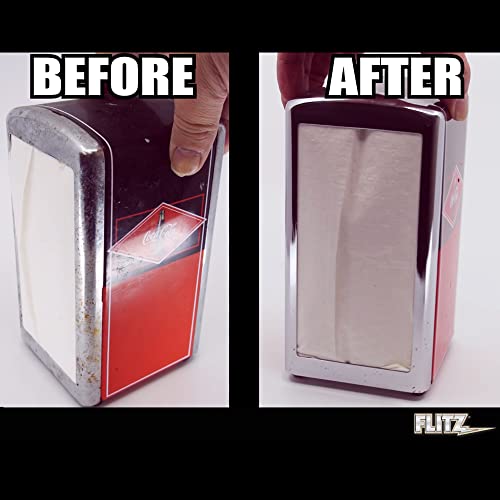


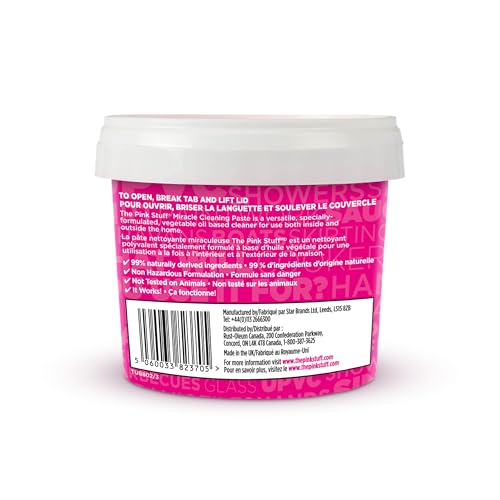


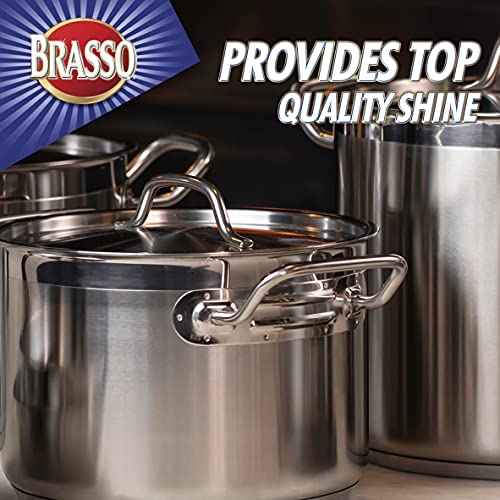
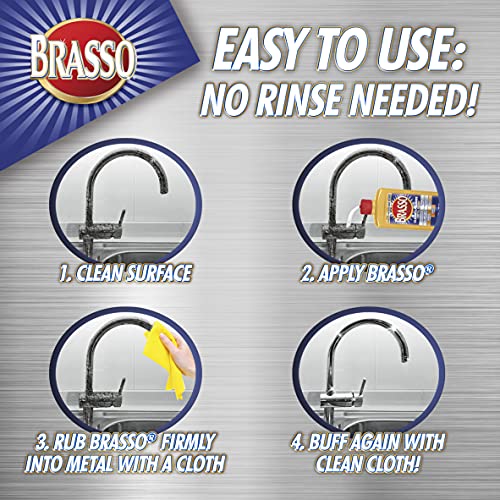


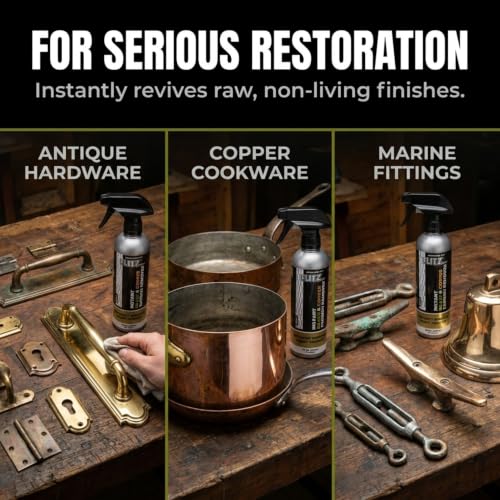


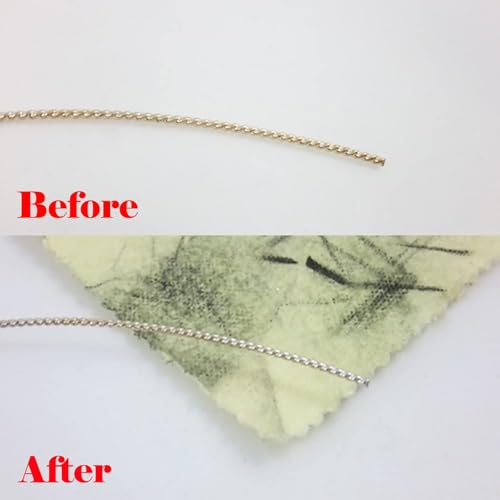
We also considered 10 others:

Our Top Choice
The order above is not editorial opinion, and it is not paid placement. It comes from what shoppers across our network actually do - which brass cleaners they compare, and which they ultimately buy. We re-rank as new data comes in, so the long-term favorites have to keep earning their spot against new entrants. The full method, including how we make money.
Brass Cleaners Buyer's Guide
Buying a brass cleaner is a balance between removing tarnish and preserving the exact finish you have. The sharpest concerns are metal compatibility and over-aggressive cleaning: the wrong formula can strip lacquer, thin plating, erase patina, or leave residue in detailed hardware even if it makes other metal look bright.
Metal Match
Brass is not one uniform surface: it may be solid, plated, lacquered, aged, or attached to other materials. A cleaner that is excellent on bare metal can be the wrong choice if it removes a protective coating or thins a decorative plated layer.
Start by matching the cleaner to the actual brass surface: solid unlacquered brass can usually tolerate a true brass polish, while brass plating, lacquered brass, antiques, and mixed-material pieces need a gentler, spot-tested approach. Avoid aggressive abrasives, ammonia-heavy formulas, and soak-style use on thin plating, decorative patina, painted details, wood mounts, stones, or hardware with unknown coating, because the failure mode is permanent dulling, stripped lacquer, or exposed base metal. Owners strongly praise metal polishes that work on other metals such as aluminum and chrome-like surfaces, but that support should be read as evidence of metal-cleaning capability, not a guarantee that every brass finish is safe. For heirloom or intentionally aged brass, choose preservation over maximum shine.
Tarnish Power
The main job of a brass cleaner is removing oxidation and tarnish without turning the surface into a scratched, uneven mess. Cleaning strength matters most when brass has gone from dull to brown, black, or green, but excessive force or the wrong chemistry can do more harm than good.
Look for a formula that specifically addresses brass tarnish, oxidation, and discoloration rather than only general dirt, and choose the strength based on the job: mild cream or cloth for light yellowing, stronger polish for brown/green oxidation, and extra caution around engraved or porous details. The best brass cleaner should lift tarnish without requiring endless pressure, because hard scrubbing can scratch soft brass and catch residue in seams. Owner feedback supports prioritizing real cleaning power: buyers report dramatic improvement on stained, dull, and oxidized surfaces, including metal parts with discoloration. At the same time, sentiment warns against expecting a miracle fix for every cleaning problem, so severe corrosion, pitting, or damaged coating may not polish away cleanly.
Shine Control
Brass buyers are often choosing between restoration and preservation. A cleaner that delivers maximum shine may be perfect for modern hardware but too aggressive for pieces where mellow patina, engraving contrast, or aged character matters.
Decide whether you want a bright reflective polish, a softer satin glow, or preservation of aged patina before buying, because some cleaners are designed to make brass look newly polished while others are better for maintenance. For mirror-bright brass, look for fine polishing agents and a residue-free finish; avoid coarse gritty pastes if the surface already has a smooth decorative sheen. Owners repeatedly highlight bright, clear, mirror-like results on polished metal surfaces, which reinforces how much final appearance separates a satisfying cleaner from a merely functional one. The risk is overpolishing: on antique brass, musical instruments, fixtures, or decorative hardware, removing all darkening may erase the look you meant to keep.
Work & Residue
Brass items often have curves, engravings, hinges, handles, and seams where excess cleaner can lodge. A controlled application and clean wipe-off matter because residue can leave white buildup, streaking, or renewed dullness in detailed areas.
Choose the format around the shape of the brass: paste or cream gives control on door hardware, lamps, railings, and vertical surfaces; liquid can reach crevices but is riskier near wood, felt, fabric, electronics, or stone; pretreated cloths are convenient for quick maintenance. Good brass cleaning should require a thin coat, moderate dwell time, and manageable buffing rather than heavy pressure, and it should wipe clean from grooves, screw heads, and stamped details. Owners value cleaners where a small amount covers a lot of work and where application involves a light coating, short dry time, and wipe-down rather than difficult buffing. If a cleaner cakes into seams or needs repeated hard scrubbing, it can make ornate brass harder to maintain even if it works on flat metal.
Fumes & Handling
Brass cleaning is often done indoors and by hand, close to the face and skin. Odor, ventilation, and residue handling affect whether the cleaner is practical for routine use on fixtures, hardware, decor, and household items.
For indoor brass fixtures, cabinet pulls, lamps, musical accessories, and kitchen-adjacent items, favor low-odor formulas and clear handling directions, and still use ventilation, gloves, and careful rinsing or wiping where skin or food contact is possible. Avoid strong fumes in small bathrooms, kitchens, closets, and workshops, and do not use harsh metal cleaners on items that cannot be fully cleaned afterward. Owner sentiment specifically calls low odor a plus for people who dislike harsh cleaner fumes while scrubbing. Even a low-odor cleaner can still contain active polishing chemistry, so odor should be treated as a comfort and usability factor, not a substitute for safe use.
Coverage Value
The best-value brass cleaner is not simply the largest container or the strongest formula. It is the one that gives reliable results with minimal waste, reasonable effort, and no avoidable damage to the finish.
Judge value by how much brass it can clean, how many passes it takes, and whether it prevents you from needing a second product for polishing or finishing. Concentrated pastes and creams can be a strong buy if a small amount spreads well, but poor value if they only work on easy grime or require repeated applications on tarnish. Owners report that a small amount of paste can cover a lot and make cleaning feel easier, and many feel the results justify the cost once the cleaner works. The same feedback is also realistic: value is situational, and no cleaner should be bought as a guaranteed cure for every tarnished or damaged brass piece.
1,000,000+ shoppers use Buyer's Guide every week to find the best products and services online.

Helping millions of users make smarter purchases online.


