


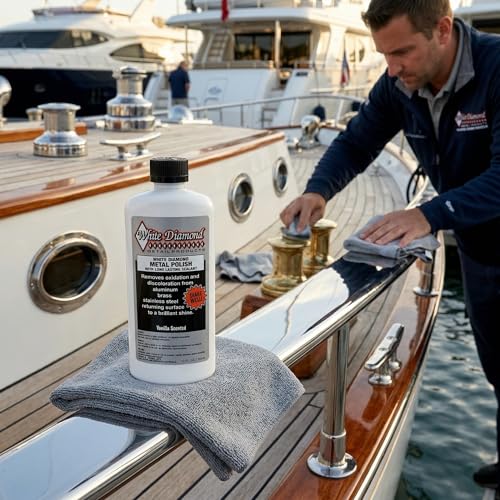







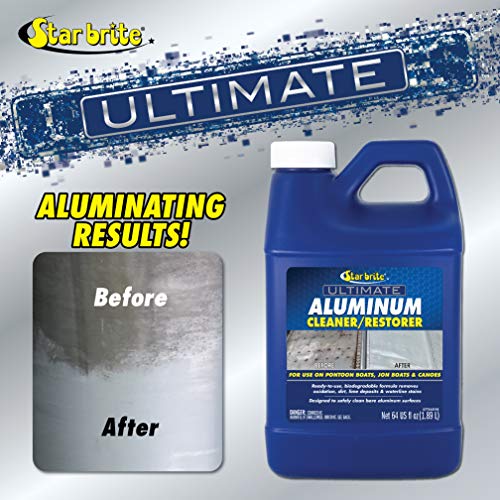






We also considered 10 others:

Our Top Choice
The order above is not editorial opinion, and it is not paid placement. It comes from what shoppers across our network actually do - which aluminum cleaners they compare, and which they ultimately buy. We re-rank as new data comes in, so the long-term favorites have to keep earning their spot against new entrants. The full method, including how we make money.
Aluminum Cleaners Buyer's Guide
Aluminum cleaners sit between two competing goals: cutting through oxidation and stains while not hazing, scratching, or stripping the soft metal or its coating. The sharpest buying concerns are surface compatibility—bare, polished, anodized, painted, or clear-coated aluminum—and whether the cleaner is meant to restore shine or simply remove grime.
Surface Fit
Aluminum is soft, and its surface may be bare, polished, anodized, painted, or clear-coated. A cleaner that is excellent on raw oxidized aluminum can haze coatings or change the look of delicate finishes if it is too abrasive or chemically strong.
First identify the surface: use a true metal polish or aluminum-safe cleaner on bare or polished aluminum, but be cautious on anodized, painted, powder-coated, or clear-coated wheels and trim. Avoid aggressive abrasives or acidic cleaners unless the label specifically allows that finish, and always test a hidden spot because aluminum can turn cloudy, streaky, or uneven if the cleaner attacks the coating instead of the oxidation. Shopper feedback strongly supports choosing formulas proven on aluminum-specific jobs, especially wheels, motorcycle parts, RV wheels, and chrome-like surfaces, while also noting that some metal cleaners work across stainless, brass, chrome, exhaust pieces, and even yellowed lenses when the material is appropriate.
Oxidation Cut
The main job of an aluminum cleaner is to remove the dull oxide layer and embedded grime without excessive scrubbing. Too little cutting power leaves gray film and water marks behind, while too much can scratch or etch softer aluminum.
For neglected aluminum, look for cleaners that specifically mention oxidation, tarnish, water spots, brake dust, black residue, and discoloration rather than only general-purpose cleaning. For wheels, exhaust tips, shop parts, pans, or outdoor aluminum, choose the strength based on the soil: a mild polish for haze and light oxidation, a stronger paste or staged process for heavy chalking and staining. Owner reports repeatedly emphasize high effectiveness, including removal of oxidation, discoloration, water stains, tarnish, black residue, grime, dull grout-like staining, tubs, pans, and other stubborn messes; the caution is that no cleaner should be treated as a miracle fix for every stain or deeply damaged surface.
Final Shine
Cleaning and polishing are not the same outcome: a surface can be clean but still dull. A good aluminum polish refines the surface enough to restore brightness while limiting swirl marks, haze, and visible scratch retention.
If the goal is a mirror finish, prioritize a polish with fine finishing abrasives and plan to buff with clean microfiber or a dedicated applicator; for badly pitted aluminum, expect that cleaning alone will not erase physical damage. Avoid gritty multipurpose pastes on show-polished aluminum unless they are confirmed safe for that finish, because visible micro-scratches and hazing are common failure modes on soft metal. Sentiment is especially strong here: buyers often describe dull aluminum, chrome-like surfaces, brass, and other metals becoming bright, reflective, clear, or mirror-like, and some also report reduced haze or the appearance of light scratches on compatible surfaces.
Application Effort
Aluminum cleaning can become labor-intensive because oxidation turns applicators black and often requires repeated passes. The best choice for a shopper depends on whether the job is a small hand-polish, a full set of wheels, or a large surface that may need machine assistance.
For hand work, look for a paste or cream that spreads thinly, works in small sections, and wipes off cleanly after a short dwell or haze time; for large wheels, trailers, or heavily oxidized panels, check whether the formula is compatible with a drill pad or buffer. Avoid products that demand heavy buffing if you lack the tools or patience, and keep multiple cloths available because spent polish and aluminum oxide can smear back onto the surface. Owner experience supports this: many report that a small amount, a cloth, and moderate buffing produce visible results, with some formulas needing only a light coating, short dry time, and wipe-down rather than heavy rubbing; low odor and minimal mess also show up as practical advantages.
Use Safety
Metal cleaners can contain solvents, abrasives, or chemical agents that should be handled differently from ordinary soap. Low odor is helpful, but ventilation, gloves, label directions, and residue removal still matter, especially around kitchens, enclosed garages, and vehicle parts touched by heat or skin.
Choose a low-odor, non-fuming option for indoor kitchen aluminum or small enclosed workspaces, and reserve stronger metal polishes for ventilated garages or outdoor use. Wear gloves when scrubbing oxidation, keep cleaner away from unfinished adjacent materials unless approved, and thoroughly remove residue from cookware, faucets, trim, and heated exhaust parts so leftover compound does not smear, smoke, or transfer. Owner sentiment specifically praises low-odor formulas and straightforward use without overpowering chemical smells, which is a meaningful comfort and safety-adjacent advantage, but it does not replace normal handling precautions.
Coverage Value
The best value is not just the size of the container; it is how much surface area a small amount can clean and whether it solves the jobs you actually have. A specialized polish may be worthwhile for recurring aluminum work, while a multipurpose cleaner is more useful when the household has many different messes.
Estimate value by the size and frequency of your jobs: wheels, RV trim, motorcycle parts, and shop metal can justify a concentrated aluminum polish that goes a long way, while kitchens and bathrooms may benefit from a multipurpose paste if it is safe for the target surface. Avoid buying solely for a broad claim if your main problem is severe aluminum oxidation or a show-grade mirror finish; those need more specialized performance. Owner feedback is mixed but useful: many say a small amount covers a lot, containers last, and results justify the buy across many metal-cleanup jobs, while others feel value depends heavily on whether it handles the specific task and note that wheel work or certain jobs can make the amount feel less generous.
1,000,000+ shoppers use Buyer's Guide every week to find the best products and services online.

Helping millions of users make smarter purchases online.


