














We also considered 10 others:


Our Top Choice
Compare Features


The order above is not editorial opinion, and it is not paid placement. It comes from what shoppers across our network actually do - which cold press castor oils they compare, and which they ultimately buy. We re-rank as new data comes in, so the long-term favorites have to keep earning their spot against new entrants. The full method, including how we make money.
Cold Press Castor Oils Buyer's Guide
Cold press castor oil is appealing because the same thick, occlusive oil can be used for hair, brows, lashes, dry skin, and body routines—but that versatility also makes purity and application control unusually important. Shoppers should be especially careful about additives, packaging, eye-area use, and whether the naturally heavy texture fits their intended routine.
Quality
Quality matters because castor oil is often applied directly to skin, hair, brows, or lashes, so you want a product that feels fresh, pure, and trustworthy. Look for organic certification, cold-pressed extraction, a simple ingredient list with only castor oil, and packaging that protects the oil from light; watch out for vague sourcing, added fragrances, fillers, or oils that smell rancid or look unusually cloudy.
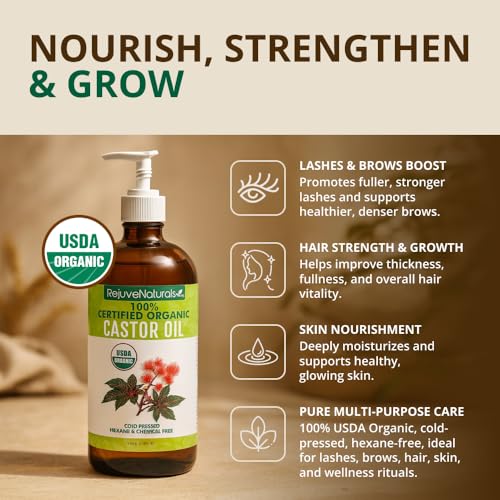
For cold press castor oil, prioritize a label that is cold-pressed, unrefined, hexane-free, and made from a single ingredient: castor seed oil. If you plan to use it near lashes, brows, face, or with castor-oil packs, also look for clean packaging, a secure cap, preferably dark glass or well-sealed opaque packaging, and avoid blends with fragrance, essential oils, or unclear additives. Owner feedback supports this: buyers repeatedly describe the best-performing oils as pure, potent, high-quality, and dependable, with particular appreciation for cold-pressed, unrefined, hexane-free formulas and clean glass-bottle presentation.
Texture
Texture matters because castor oil is naturally thick, and the right consistency affects how easily you can spread it through hair, massage it into skin, or mix it with other oils. Look for a smooth, uniform oil that feels rich but not sticky or gritty, and be cautious if you prefer fast absorption because heavier castor oils can leave a noticeable oily film.
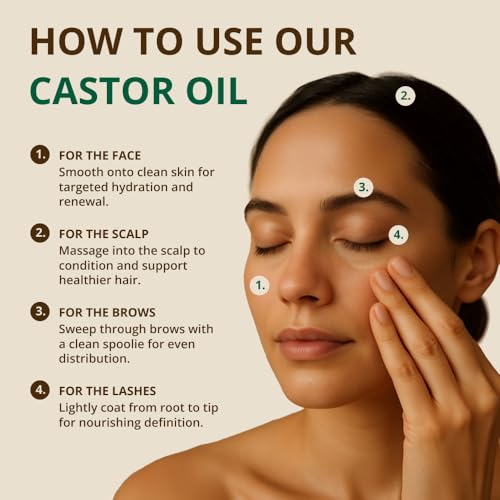
Expect true castor oil to be much thicker and tackier than most beauty oils; that viscosity is normal, but it should still spread in small amounts without feeling gritty, separated, or sticky in a glue-like way. For scalp, lash, brow, or facial use, a pump, dropper, spoolie, or narrow applicator matters because overapplying this oil can leave hair greasy, blur vision if it migrates into the eyes, or stain pillowcases. Owners often like the rich texture because it feels deeply moisturizing, especially overnight, and many say it leaves dry hair and skin softer, shinier, and more comfortable when used sparingly.
Results
Results matter because castor oil is usually chosen for a specific outcome, whether that’s softer skin, better hair moisture, fuller-looking lashes, massage comfort, or occasional digestive use. Look for consistent, realistic feedback on the benefit you care about, and be cautious with claims like rapid hair or lash growth, mole removal, major pain relief, or strong digestive effects, since these can vary widely and may require medical guidance.
Buy castor oil for conditioning, moisture retention, shine, and the appearance of healthier hair, lashes, or brows—not as a guaranteed hair-growth treatment or a substitute for care for infection, hair loss, or eye problems. The most useful products for results are the ones that make consistent, precise application easy, because castor oil works best as a routine oil and can be unpleasant if applied too heavily. Owner reports align with that use case: many buyers describe improved-looking hair thickness, healthier-feeling lashes and brows, softer skin, and better results with diligent overnight or regular application.
Moisture
You’ll want an organic cold pressed castor oil that leaves your skin feeling moisturized, soft, and comfortable rather than sticky, tight, or irritated. Look for a rich but smooth texture that spreads evenly and absorbs well enough for your skin-care routine, and watch out for oils with added fragrances or fillers if your skin is sensitive.
For moisture, choose castor oil when you need an occlusive, heavy-duty oil for dry ends, rough patches, feet, knees, lips, brows, or very dry skin; for acne-prone faces or fine hair, plan to use only a tiny amount or mix it with a lighter carrier oil. If using near the lash line, apply minimally and avoid getting it into the eye, especially if you wear contacts or are prone to irritation. Supporting owner sentiment is strong here: buyers commonly praise castor oil for leaving dry skin hydrated by morning, softening rough spots, adding shine to hair, and nourishing skin, lips, eyelashes, and eyebrows.
Value
Because organic cold pressed castor oil can vary widely in bottle size, purity, and packaging, value for money is about more than choosing the lowest price. Look at the cost per ounce, whether the oil is truly organic and cold pressed, and whether the packaging helps preserve freshness. Be cautious with very cheap options that use vague sourcing, additives, or small quantities that make the deal less impressive than it looks.
Match bottle size to your actual use: small bottles are safer for lashes, brows, and face because they stay fresher and are easier to keep clean, while large bottles make more sense for scalp treatments, body use, massage, or castor-oil packs. Since only a small amount is needed per application, avoid buying bulk unless you will use it regularly and can store it tightly sealed away from heat and light. Owners often see strong value in larger bottles, kits with applicators, and thick oils that last a long time because a little goes a long way and the product fits into repeated skin, hair, or body-care routines.
Scent
You’ll notice the scent or odor of castor oil during hair, skin, lash, or brow use, so choose one with a mild, natural aroma if you’re sensitive to strong smells. A fresh organic cold pressed castor oil should smell earthy or nutty rather than rancid, sour, heavily perfumed, or chemical-like; off odors can signal poor storage, age, or added fragrance. If you plan to use it near your face or lips, also consider the taste, since even a small amount can be noticeable.
Cold-pressed, unrefined castor oil should smell mild, earthy, nutty, or slightly natural—not perfumed, sour, rancid, or sharply chemical. For face, lash-line, sensitive-skin, or castor-pack use, avoid added fragrance and essential oils, since scent additives can increase irritation risk and make it harder to judge freshness. Owner feedback is more divided on scent than on moisture or quality: many find the natural odor light or pleasant, while others notice the earthy or sweet smell more strongly, especially when applying it broadly or leaving it on overnight.
1,000,000+ shoppers use Buyer's Guide every week to find the best products and services online.

Helping millions of users make smarter purchases online.


