







We also considered 10 others:


Our Top Choice
Compare Features


The order above is not editorial opinion, and it is not paid placement. It comes from what shoppers across our network actually do - which castor oils for skin they compare, and which they ultimately buy. We re-rank as new data comes in, so the long-term favorites have to keep earning their spot against new entrants. The full method, including how we make money.
Castor Oils for Skin Buyer's Guide
Castor oil for skin is a tradeoff between rich, occlusive moisture and a heavy, sticky feel that can be too much for acne-prone, easily irritated, or daytime facial use. The sharpest checks are purity and processing, safe packaging for repeated skin contact, and whether the texture matches your intended use: spot-treating dry patches, sealing body moisture overnight, or careful lash/brow application.
Results
Results matter because castor oil is usually chosen for a specific outcome, whether that’s softer skin, better hair moisture, fuller-looking lashes, massage comfort, or occasional digestive use. Look for consistent, realistic feedback on the benefit you care about, and be cautious with claims like rapid hair or lash growth, mole removal, major pain relief, or strong digestive effects, since these can vary widely and may require medical guidance.
For skin results, buy castor oil with realistic expectations: it is best suited for softening rough, dry areas, sealing moisture overnight, and supporting healthier-looking brows, lashes, or hair around the face—not for reliably clearing acne, removing scars, or replacing treatment for eczema, infection, or eye conditions. If you want visible payoff, choose packaging that makes consistent, low-mess use easy, such as a dropper for face/body spots or clean brushes for brows and lashes, because results depend heavily on regular, careful application. Owner feedback supports this: shoppers often report improved softness, healthier-looking hair, thicker-looking brows and lashes, and fuller-looking lashes after consistent use, especially when applicators make nightly use easier.
Quality
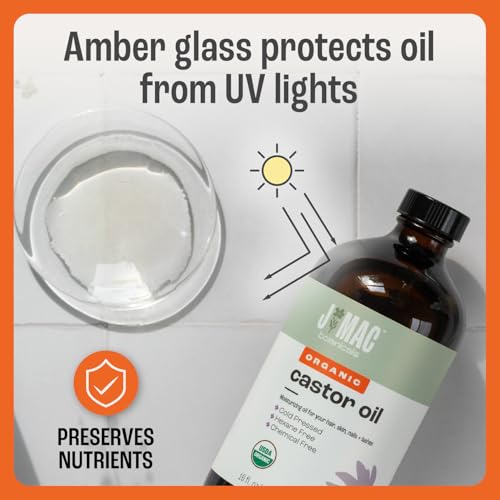
Quality matters because castor oil is often applied directly to skin, hair, brows, or lashes, so you want a product that feels fresh, pure, and trustworthy. Look for organic certification, cold-pressed extraction, a simple ingredient list with only castor oil, and packaging that protects the oil from light; watch out for vague sourcing, added fragrances, fillers, or oils that smell rancid or look unusually cloudy.
For quality, prioritize a single-ingredient oil labeled 100% castor oil or Ricinus communis seed oil, preferably cold-pressed, hexane-free, and fragrance-free; avoid vague “castor blend” formulas if you want to control irritants or know exactly what is going on sensitive skin. For repeated skin use, packaging matters too: dark glass or well-sealed containers help protect the oil, while clean droppers, pumps, or disposable/cleanable applicators reduce contamination from fingers and lash-line use. Owner sentiment aligns with these checks, with buyers repeatedly valuing pure, cold-pressed, unrefined, hexane-free oils, clean preparation, glass bottles, and products that feel reliable enough to repurchase.
Texture
Texture matters because castor oil is naturally thick, and the right consistency affects how easily you can spread it through hair, massage it into skin, or mix it with other oils. Look for a smooth, uniform oil that feels rich but not sticky or gritty, and be cautious if you prefer fast absorption because heavier castor oils can leave a noticeable oily film.
For texture, decide before buying whether you can tolerate classic castor oil thickness: it is dense, tacky, and slow-spreading, which is helpful for overnight dry patches but frustrating under makeup, sunscreen, or clothing. If you plan to use it on the face, choose a bottle that dispenses tiny amounts so you can press on a thin layer or mix a drop with a lighter moisturizer; if you want body or foot use, a richer texture may be an advantage, but expect possible transfer to pillowcases or fabric. Owner feedback backs up this profile: people praise the rich, moisturizing feel for dry skin, hair, feet, knees, and calves, while accepting that the naturally thick, sticky texture is part of using castor oil.
Moisture
You’ll want an organic cold pressed castor oil that leaves your skin feeling moisturized, soft, and comfortable rather than sticky, tight, or irritated. Look for a rich but smooth texture that spreads evenly and absorbs well enough for your skin-care routine, and watch out for oils with added fragrances or fillers if your skin is sensitive.
For moisture, look for castor oil as a sealing step rather than a stand-alone hydrator: apply it over damp skin or over a water-based moisturizer, especially on elbows, knees, feet, lips, and other stubborn rough spots. If your goal is facial hydration, use sparingly and avoid automatically coating the whole face if you are clog-prone; for very dry body areas, larger bottles and easier dispensing make more sense because the best results often come from nightly or repeated use. Owner reports strongly support castor oil’s moisturizing role, with many describing softer, smoother, more nourished skin, better overnight comfort on dry areas, and added shine or softness on hair, brows, lashes, and lips.
Safety
Because castor oil is thick and potent, you should choose one that is clearly labeled for your intended use and watch for skin irritation, redness, itching, breakouts, or other side effects. Look for simple, organic cold-pressed oil without added fragrance or unnecessary ingredients, and patch test before applying it widely, especially on sensitive skin, the scalp, or near the eyes.
For safety, patch test first and be especially cautious on eyelids, lash lines, broken skin, active rashes, acne-prone areas, or skin already reacting to retinoids, exfoliating acids, or prescription treatments. Choose fragrance-free, essential-oil-free formulas for sensitive skin, keep applicators clean, never share lash or brow brushes, and stop use if you notice redness, itching, swelling, blurred vision, stinging, or clogged bumps; castor oil is not sterile and should not be treated as an eye medicine. Owner feedback is mixed in exactly this area: many users report no irritation, but some experience greasy discomfort, redness, or allergy-like reactions, particularly around the skin and eye area.
Value
Because organic cold pressed castor oil can vary widely in bottle size, purity, and packaging, value for money is about more than choosing the lowest price. Look at the cost per ounce, whether the oil is truly organic and cold pressed, and whether the packaging helps preserve freshness. Be cautious with very cheap options that use vague sourcing, additives, or small quantities that make the deal less impressive than it looks.
For value, match bottle size to how fast you will use it safely: large bottles are economical for body, scalp, feet, or castor-oil-pack routines, but a smaller bottle or included mini containers may be smarter for face and eye-area use because oils can get contaminated or go stale before you finish them. Kits with lash brushes, brow spoolies, droppers, or travel containers are worth considering only if those applicators fit your actual routine and can be cleaned or replaced; otherwise, pay for better oil quality and packaging rather than extras. Owner sentiment supports the value case, with buyers noting that large bottles last a long time, small amounts go far, included brushes and containers improve usability, and the oil feels worthwhile because it serves multiple skin, hair, lash, brow, and hydration purposes.
1,000,000+ shoppers use Buyer's Guide every week to find the best products and services online.

Helping millions of users make smarter purchases online.


