


.png)
Day-to-day use is straightforward, with an easy interface, simple steps, and a removable ceramic pan that several owners find easy to clean.
The Neretva bread maker’s biggest strength is turning out fluffy, tasty, evenly baked bread that many buyers prefer over past machines.
The larger capacity is a real selling point for families or frequent bakers, especially because the pan makes a long, full loaf.
Day-to-day use is straightforward, with an easy interface, simple steps, and a removable ceramic pan that several owners find easy to clean.
The Neretva bread maker’s biggest strength is turning out fluffy, tasty, evenly baked bread that many buyers prefer over past machines.
The larger capacity is a real selling point for families or frequent bakers, especially because the pan makes a long, full loaf.
Day-to-day use is straightforward, with an easy interface, simple steps, and a removable ceramic pan that several owners find easy to clean.
The Neretva bread maker’s biggest strength is turning out fluffy, tasty, evenly baked bread that many buyers prefer over past machines.
The larger capacity is a real selling point for families or frequent bakers, especially because the pan makes a long, full loaf.
Making bread feels approachable even for beginners, with owners repeatedly describing the controls and process as simple to use.
The Neretva bread maker gets its strongest praise for producing well-baked, good-tasting loaves, including basic white and gluten-free bread with satisfying texture.
Loaf size is a real tradeoff: the compact machine fits smaller needs well, but some buyers find the finished loaves smaller than expected.
Making bread feels approachable even for beginners, with owners repeatedly describing the controls and process as simple to use.
The Neretva bread maker gets its strongest praise for producing well-baked, good-tasting loaves, including basic white and gluten-free bread with satisfying texture.
Loaf size is a real tradeoff: the compact machine fits smaller needs well, but some buyers find the finished loaves smaller than expected.


Making bread feels approachable even for beginners, with owners repeatedly describing the controls and process as simple to use.
The Neretva bread maker gets its strongest praise for producing well-baked, good-tasting loaves, including basic white and gluten-free bread with satisfying texture.
Loaf size is a real tradeoff: the compact machine fits smaller needs well, but some buyers find the finished loaves smaller than expected.


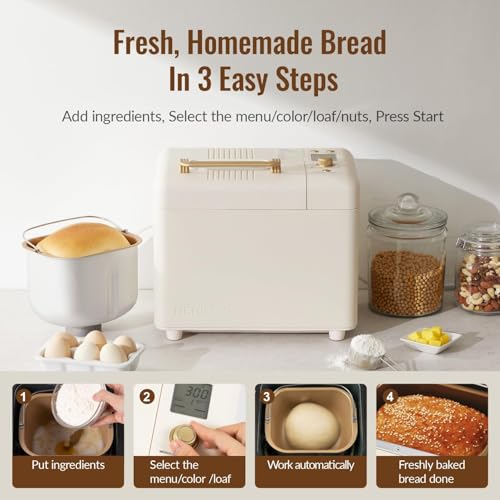

Day-to-day use is very easy, especially for set-it-and-forget-it baking where the main work is measuring ingredients and choosing a program.
The Neretva bread maker gets its strongest praise for bread quality and taste, with loaves coming out fresh, delicious, and reliably well-baked.
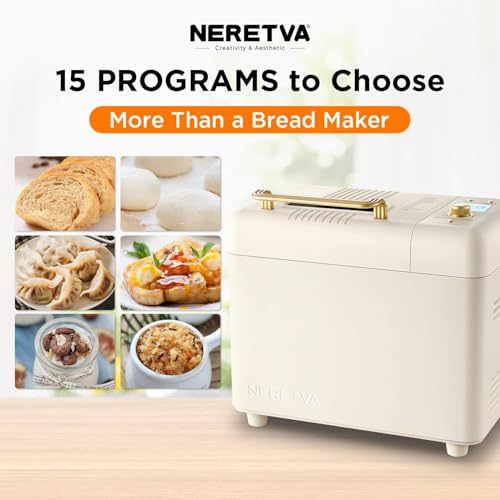
The wide set of programs and crust options makes it feel versatile for bread, dough, cake, yogurt, jam, and different loaf sizes.
Day-to-day use is very easy, especially for set-it-and-forget-it baking where the main work is measuring ingredients and choosing a program.
The Neretva bread maker gets its strongest praise for bread quality and taste, with loaves coming out fresh, delicious, and reliably well-baked.
The wide set of programs and crust options makes it feel versatile for bread, dough, cake, yogurt, jam, and different loaf sizes.
Day-to-day use is very easy, especially for set-it-and-forget-it baking where the main work is measuring ingredients and choosing a program.
The Neretva bread maker gets its strongest praise for bread quality and taste, with loaves coming out fresh, delicious, and reliably well-baked.
The wide set of programs and crust options makes it feel versatile for bread, dough, cake, yogurt, jam, and different loaf sizes.
Making bread feels approachable even for beginners, with owners repeatedly describing the controls and process as simple to use.
The Neretva bread maker gets its strongest praise for producing well-baked, good-tasting loaves, including basic white and gluten-free bread with satisfying texture.
Loaf size is a real tradeoff: the compact machine fits smaller needs well, but some buyers find the finished loaves smaller than expected.
Making bread feels approachable even for beginners, with owners repeatedly describing the controls and process as simple to use.
The Neretva bread maker gets its strongest praise for producing well-baked, good-tasting loaves, including basic white and gluten-free bread with satisfying texture.
Loaf size is a real tradeoff: the compact machine fits smaller needs well, but some buyers find the finished loaves smaller than expected.


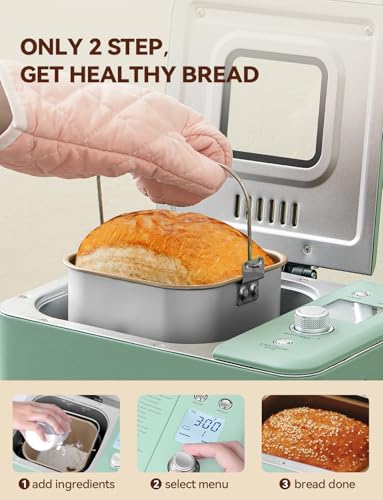
Making bread feels approachable even for beginners, with owners repeatedly describing the controls and process as simple to use.
The Neretva bread maker gets its strongest praise for producing well-baked, good-tasting loaves, including basic white and gluten-free bread with satisfying texture.
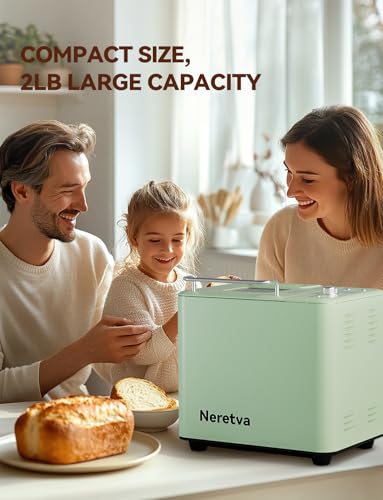
Loaf size is a real tradeoff: the compact machine fits smaller needs well, but some buyers find the finished loaves smaller than expected.
Making bread feels approachable even for beginners, with owners repeatedly describing the controls and process as simple to use.
The Neretva bread maker gets its strongest praise for producing well-baked, good-tasting loaves, including basic white and gluten-free bread with satisfying texture.
Loaf size is a real tradeoff: the compact machine fits smaller needs well, but some buyers find the finished loaves smaller than expected.
Making bread feels approachable even for beginners, with owners repeatedly describing the controls and process as simple to use.
The Neretva bread maker gets its strongest praise for producing well-baked, good-tasting loaves, including basic white and gluten-free bread with satisfying texture.
Loaf size is a real tradeoff: the compact machine fits smaller needs well, but some buyers find the finished loaves smaller than expected.

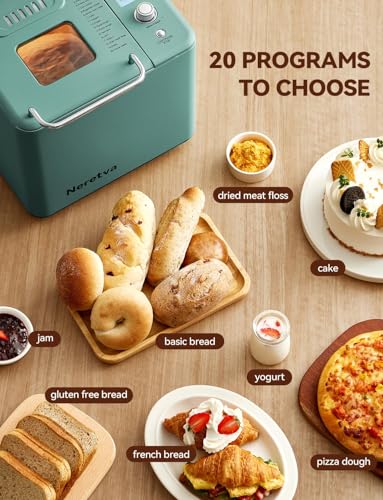


Making bread feels approachable even for beginners, with owners repeatedly describing the controls and process as simple to use.
The Neretva bread maker gets its strongest praise for producing well-baked, good-tasting loaves, including basic white and gluten-free bread with satisfying texture.
Loaf size is a real tradeoff: the compact machine fits smaller needs well, but some buyers find the finished loaves smaller than expected.
The controls and settings feel straightforward enough for routine home baking, even for people who want minimal fuss.
The finished loaves get strong praise for taste, with basic white bread in particular coming out especially delicious.
Functionality is generally useful across breads, dough, cakes, rolls, and more, but the sensitive computerized screen can make operation feel a bit touchy.
The controls and settings feel straightforward enough for routine home baking, even for people who want minimal fuss.
The finished loaves get strong praise for taste, with basic white bread in particular coming out especially delicious.
Functionality is generally useful across breads, dough, cakes, rolls, and more, but the sensitive computerized screen can make operation feel a bit touchy.


The controls and settings feel straightforward enough for routine home baking, even for people who want minimal fuss.
The finished loaves get strong praise for taste, with basic white bread in particular coming out especially delicious.
Functionality is generally useful across breads, dough, cakes, rolls, and more, but the sensitive computerized screen can make operation feel a bit touchy.


Setup and everyday operation come across as straightforward and practical, making it feel approachable even as a gift or frequent-use kitchen tool.
The SALUNA bread machine earns its strongest praise for reliable bread-making performance, with dough mixed evenly and loaves coming out well.
Build quality is viewed very positively, with buyers repeatedly describing the materials as durable, resistant, and well made.
Setup and everyday operation come across as straightforward and practical, making it feel approachable even as a gift or frequent-use kitchen tool.
The SALUNA bread machine earns its strongest praise for reliable bread-making performance, with dough mixed evenly and loaves coming out well.
Build quality is viewed very positively, with buyers repeatedly describing the materials as durable, resistant, and well made.
Setup and everyday operation come across as straightforward and practical, making it feel approachable even as a gift or frequent-use kitchen tool.
The SALUNA bread machine earns its strongest praise for reliable bread-making performance, with dough mixed evenly and loaves coming out well.
Build quality is viewed very positively, with buyers repeatedly describing the materials as durable, resistant, and well made.
The KBS bread maker is widely liked for making homemade bread feel low-effort, with a straightforward add-ingredients-and-walk-away process.
Loaves tend to come out well-shaped, properly sized, and flavorful, which is the biggest reason buyers are happy with it.
Reliability is mostly good for consistent loaves, but some owners still run into recurring part-related annoyances like the paddle sticking or components not holding up perfectly.
The KBS bread maker is widely liked for making homemade bread feel low-effort, with a straightforward add-ingredients-and-walk-away process.
Loaves tend to come out well-shaped, properly sized, and flavorful, which is the biggest reason buyers are happy with it.
Reliability is mostly good for consistent loaves, but some owners still run into recurring part-related annoyances like the paddle sticking or components not holding up perfectly.


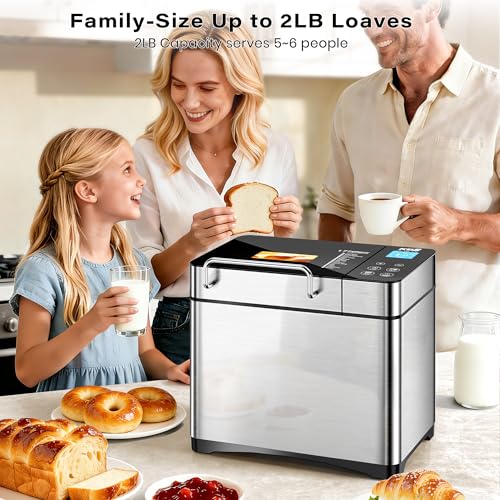
The KBS bread maker is widely liked for making homemade bread feel low-effort, with a straightforward add-ingredients-and-walk-away process.
Loaves tend to come out well-shaped, properly sized, and flavorful, which is the biggest reason buyers are happy with it.
Reliability is mostly good for consistent loaves, but some owners still run into recurring part-related annoyances like the paddle sticking or components not holding up perfectly.

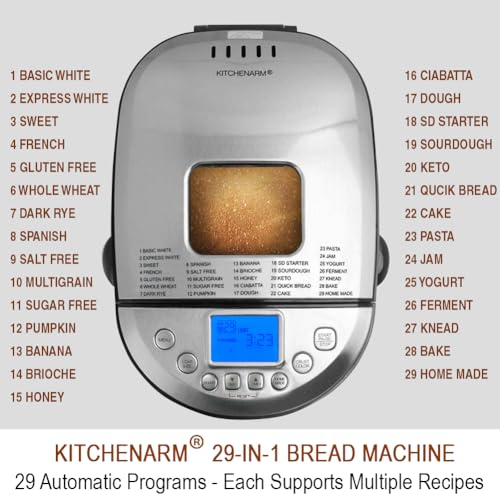


Setup and first bakes feel beginner-friendly, with clear instructions that help new owners get a good loaf on the first try.
The KITCHENARM bread machine consistently turns out attractive, tasty loaves, even for frequent bakers making bread almost daily.
The many programs and flexible settings make it useful for a wide range of breads, including whole wheat, cinnamon raisin, gluten-free, potato, brown rice, and multigrain loaves.
Setup and first bakes feel beginner-friendly, with clear instructions that help new owners get a good loaf on the first try.
The KITCHENARM bread machine consistently turns out attractive, tasty loaves, even for frequent bakers making bread almost daily.
The many programs and flexible settings make it useful for a wide range of breads, including whole wheat, cinnamon raisin, gluten-free, potato, brown rice, and multigrain loaves.
Setup and first bakes feel beginner-friendly, with clear instructions that help new owners get a good loaf on the first try.
The KITCHENARM bread machine consistently turns out attractive, tasty loaves, even for frequent bakers making bread almost daily.
The many programs and flexible settings make it useful for a wide range of breads, including whole wheat, cinnamon raisin, gluten-free, potato, brown rice, and multigrain loaves.
Setup and operation feel beginner-friendly, with straightforward controls that let people add ingredients, pick a program, and let the machine take over.
The OSIPOTO bread maker consistently turns out soft, well-risen loaves with a good crust when the recipe and settings are right.
Cleanup is repeatedly described as easy, and the machine generally runs quietly without excessive shaking or disruption.
Setup and operation feel beginner-friendly, with straightforward controls that let people add ingredients, pick a program, and let the machine take over.
The OSIPOTO bread maker consistently turns out soft, well-risen loaves with a good crust when the recipe and settings are right.
Cleanup is repeatedly described as easy, and the machine generally runs quietly without excessive shaking or disruption.


Setup and operation feel beginner-friendly, with straightforward controls that let people add ingredients, pick a program, and let the machine take over.
The OSIPOTO bread maker consistently turns out soft, well-risen loaves with a good crust when the recipe and settings are right.
Cleanup is repeatedly described as easy, and the machine generally runs quietly without excessive shaking or disruption.
We also considered 10 others:


Our Top Choice
Day-to-day use is straightforward, with an easy interface, simple steps, and a removable ceramic pan that several owners find easy to clean.
The Neretva bread maker’s biggest strength is turning out fluffy, tasty, evenly baked bread that many buyers prefer over past machines.
The larger capacity is a real selling point for families or frequent bakers, especially because the pan makes a long, full loaf.
Day-to-day use is straightforward, with an easy interface, simple steps, and a removable ceramic pan that several owners find easy to clean.
The Neretva bread maker’s biggest strength is turning out fluffy, tasty, evenly baked bread that many buyers prefer over past machines.
The larger capacity is a real selling point for families or frequent bakers, especially because the pan makes a long, full loaf.
Day-to-day use is straightforward, with an easy interface, simple steps, and a removable ceramic pan that several owners find easy to clean.
The Neretva bread maker’s biggest strength is turning out fluffy, tasty, evenly baked bread that many buyers prefer over past machines.
The larger capacity is a real selling point for families or frequent bakers, especially because the pan makes a long, full loaf.
Compare Features


The order above is not editorial opinion, and it is not paid placement. It comes from what shoppers across our network actually do - which bread makers they compare, and which they ultimately buy. We re-rank as new data comes in, so the long-term favorites have to keep earning their spot against new entrants. The full method, including how we make money.
Bread Makers Buyer's Guide
Bread makers trade hands-on control for repeatable convenience, so the key is finding a machine whose pan shape, kneading strength, and programs match the bread you actually bake. The sharpest concerns are loaf quality under your preferred recipes, especially gluten-free or whole-grain doughs, and whether the pan, paddle, and motor will hold up to frequent use without becoming hard to clean.
Results
You want a bread maker that consistently turns out loaves with an even rise, tender crumb, well-browned crust, and balanced flavor, because convenience means little if the bread is dense, pale, or gummy. Look for machines known for reliable kneading, steady baking temperatures, and settings that match the breads you actually make, and watch out for models that leave unmixed flour, collapse loaves, or overbake the crust.
Prioritize machines that match the bread you actually want to eat: check loaf capacity, loaf shape, crust controls, and whether the pan produces sandwich-friendly slices rather than tall, awkward loaves. If you bake gluten-free, whole-grain, or enriched doughs, look for proven kneading/rising performance because these recipes fail differently than basic white bread: dense centers, collapsed tops, gummy texture, or underbaked edges are common weak points. Owner feedback supports this focus: satisfaction is highest when machines consistently produce well-shaped, properly sized, flavorful loaves with soft, sliceable texture, and buyers especially praise models that turn out fluffy, evenly baked bread for everyday toast and sandwiches, including successful gluten-free results when the machine is suited to it.
Usability
A bread maker should make baking feel simpler, not add another appliance you have to decode. Look for clear instructions, intuitive controls, easy-to-read settings, and practical features like straightforward pan removal and cleanup; watch out for crowded displays, vague manuals, or too many preset programs that make everyday use more confusing than helpful.
Choose a bread maker with a clear ingredient order, readable controls, and settings you can start without decoding a manual every time; bread machines are only convenient if measuring, loading, selecting loaf size/crust, and removing the pan are nearly automatic. Also check practical handling details: a pan that locks in securely, a kneading paddle that is easy to seat and remove, and alerts that are audible enough for add-ins but not so disruptive that you avoid using the machine. Owner sentiment backs up this requirement: buyers repeatedly value the add-ingredients-and-walk-away workflow, beginner-friendly controls, clear instructions, simple interfaces, and removable pans that make first loaves and routine baking feel approachable.
Programs
The right programs determine how well a bread maker fits the way you actually bake, from basic white and whole wheat loaves to dough-only, gluten-free, sweet bread, jam, or cake settings. Look for presets you’ll use often plus practical adjustments like crust darkness, loaf size, delay start, and keep-warm, and be wary of machines with lots of novelty modes but little control over timing or texture.
Do not buy based only on a high program count; make sure the presets cover your real use cases and that they change knead, rise, and bake timing in meaningful ways. Essential programs for many households are basic white, whole wheat, dough-only, bake-only, rapid, gluten-free if needed, and customizable fermentation or bake time for recipes that do not fit the default cycles; extras like jam, yogurt, or cake are useful only if you will actually use them. Owner reports support the value of well-chosen programs: users appreciate machines with flexible settings for whole wheat, cinnamon raisin, gluten-free, multigrain, sandwich loaves, pizza dough, crust choices, loaf sizes, and adjustable baking or fermentation options, especially when the presets make the process feel set-and-forget.
Build
A well-built bread maker matters because the motor, pan, hinges, and kneading blade take repeated strain from dense doughs and long cycles. Look for a machine that feels stable on the counter, has a secure-fitting pan and lid, and uses sturdy, well-finished parts; be wary of flimsy paddles, rattling during kneading, or coatings and moving pieces that seem likely to wear quickly.
Inspect build quality around the parts that take the most abuse: the motor, belt/drive system, paddle shaft, pan coating, lid hinge, and pan-locking mechanism. Frequent bread making puts real torque on the kneading system, especially with whole-grain, large-loaf, or stiff doughs, so avoid flimsy-feeling pans, loose paddles, weak locking tabs, or coatings that look easy to scratch; also consider whether replacement pans and paddles are obtainable. Owner feedback is positive when machines feel durable, mix dough evenly, and hold up to several-times-a-week or daily use, but durability is also the key watch-out because some machines make excellent early loaves yet fail sooner than expected.
Value
A bread maker can seem like a good deal until you factor in how well it bakes, how often you’ll use its settings, and what accessories or support are included. Look for a machine whose loaf quality, capacity, preset programs, durability, and included pan or measuring tools match your baking habits, and be wary of paying extra for features you won’t use. The best value for money is the model that reliably makes the bread you want without unnecessary complexity or shortcuts in build quality.
Judge value by cost per useful loaf, not by the longest feature list: the best buy is the machine you will use often enough to replace store-bought bread and dough while still fitting your counter, recipe needs, and durability expectations. A larger or double-paddle machine can be worthwhile for families or sandwich loaves, while a compact machine may be the better value if it stays accessible and gets used; included recipes and accessories matter only if they help you bake successfully right away. Owner sentiment aligns with this: buyers see strong value when affordable machines deliver useful programs, large-loaf or double-paddle capability, convenient homemade bread, attractive counter presence, recipe support, and enough versatility for bread, dough, yogurt, or other functions.
Cleaning
Cleaning matters because sticky dough, baked-on crust, and a tight paddle area can turn homemade bread into a chore after every loaf. Look for a removable nonstick pan and paddle that release residue easily, with few seams or crevices where dough can collect; watch out for interiors that are hard to reach or paddles that trap bread and require soaking or scraping.
Look closely at cleaning before buying, because bread makers become frustrating if dough bakes onto the paddle shaft, the pan coating scratches easily, or the paddle gets stuck inside the loaf. Prefer a removable nonstick pan with simple corners, an accessible drive post, and care instructions you are willing to follow; dishwasher-safe claims are convenient, but hand-washing may better protect some coatings, so check the manual rather than assuming. Owner feedback supports cleaning as a major ownership factor: buyers like machines with nonstick, easy-wipe removable pans, simple mixing setups, compact footprints that stay on the counter, quiet operation, and low-hassle maintenance that makes regular use realistic.
Don't miss the latest sales on Gluten-Free Bread Makers and more. Get the best prime day deal today!
.png)
1,300+ shoppers have used Buyer's Guide in the last week to help find the best Bread Makers.

Helping millions of users make smarter purchases online.


