
Dash Camera Guide
A dash camera has become an increasingly common addition to modern vehicles, offering drivers a practical way to record what happens on the road. Once considered a niche gadget, this compact device is now used by everyday commuters, rideshare drivers, and road trip enthusiasts alike. As traffic grows heavier and driving environments become more complex, many people see a dash camera as an extra layer of awareness and documentation that can be invaluable when unexpected situations arise.
At its core, a dash camera is a small video recorder mounted inside a vehicle, typically on the windshield or dashboard. It continuously captures footage while the car is in motion and, in many cases, even when parked. The purpose is simple: to create a visual record of driving events. This footage can help clarify what happened during an accident, capture unusual road conditions, or document memorable journeys. The growing interest in this technology reflects a broader desire for transparency and peace of mind while driving.
One of the most appealing aspects of a dash camera is how it works automatically in the background. Once installed and powered, it begins recording without requiring constant attention from the driver. Most devices use loop recording, which means older footage is overwritten when storage fills up, ensuring the camera is always ready to capture new events. Important clips can be saved automatically or manually, depending on the situation, so critical moments are not lost.
Video quality is a major consideration when discussing dash camera usefulness. Clear resolution allows details such as road signs, lane markings, and vehicle movement to be seen more easily. Many drivers value wide field-of-view lenses that capture multiple lanes of traffic, while others prioritize good low-light performance for nighttime driving. These factors can influence how effective a dash camera is in providing clear, usable footage when it matters most.
Beyond recording while driving, many dash camera systems include parking monitoring features. When enabled, the camera can detect motion or impact while the vehicle is parked and automatically record short clips. This can be particularly helpful in crowded parking areas where minor collisions or vandalism might otherwise go unnoticed. Knowing that the vehicle is being monitored, even when unattended, can offer additional reassurance.
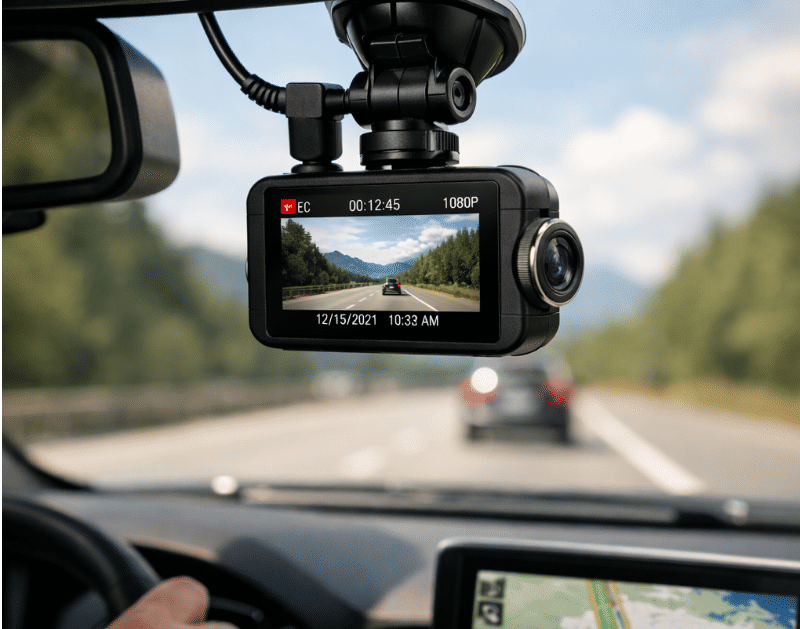
Installation of a dash camera is generally straightforward, making it accessible to drivers with varying levels of technical experience. Most units attach using adhesive mounts or suction cups and draw power from a vehicle outlet. Careful placement is important to ensure the camera has a clear view of the road without obstructing the driver’s vision. Once positioned correctly, setup often involves adjusting the angle and configuring basic settings such as date, time, and recording preferences.
Another factor that contributes to the popularity of dash cameras is their potential role in resolving disputes. In the event of an accident or traffic incident, recorded footage can provide an objective account of what occurred. This can be useful when recalling details is difficult due to stress or when accounts of an event differ. While footage does not automatically determine outcomes, it can support clearer communication about the sequence of events.
Legal and privacy considerations are an important part of owning and using a dash camera. Laws regarding recording audio and video in vehicles vary by region, and drivers should be aware of local regulations. In many places, video recording in public spaces is permitted, but audio recording may have stricter rules. Being informed about these guidelines helps ensure that dash camera use remains responsible and compliant.
Storage and file management are also worth understanding. Dash cameras typically use removable memory cards to store footage. The capacity of the card determines how much video can be saved before older files are overwritten. Regularly checking storage health and formatting the card as recommended can help maintain reliable recording. Some drivers choose to back up important clips to a computer or cloud service for long-term keeping.
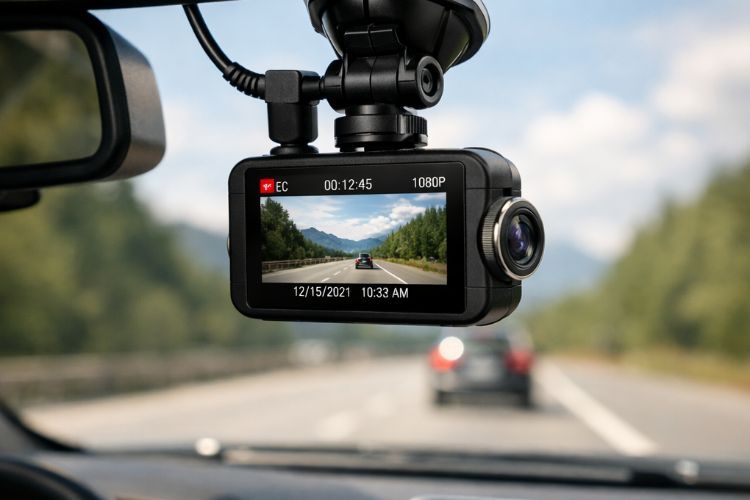
Modern dash camera designs often include additional features that enhance usability. Built-in screens allow drivers to review footage directly on the device, while mobile connectivity enables easy transfer of videos to a smartphone. Sensors that detect sudden movement or impacts can automatically lock important recordings, preventing them from being overwritten. These thoughtful additions make dash cameras more convenient and user-friendly.
While the benefits are clear, it is also important to set realistic expectations. A dash camera is a recording tool, not a replacement for attentive driving or safe habits. It should be viewed as a supplementary aid that documents events rather than prevents them. Maintaining focus, obeying traffic laws, and practicing defensive driving remain the most effective ways to stay safe on the road.
As driving environments continue to evolve, the dash camera has established itself as a practical companion for many motorists. Its ability to quietly record daily journeys, capture unexpected moments, and provide visual context during incidents has broad appeal. By understanding how a dash camera works, what features matter most, and how to use it responsibly, drivers can decide whether this technology aligns with their needs and driving lifestyle.
In conclusion, a dash camera represents a simple yet powerful tool for documenting life on the road. Whether used for added peace of mind, practical documentation, or personal curiosity, it offers a way to see driving from a clearer perspective. Taking the time to choose, install, and use a dash camera thoughtfully can help drivers feel more informed and confident every time they start the engine.

.png)

