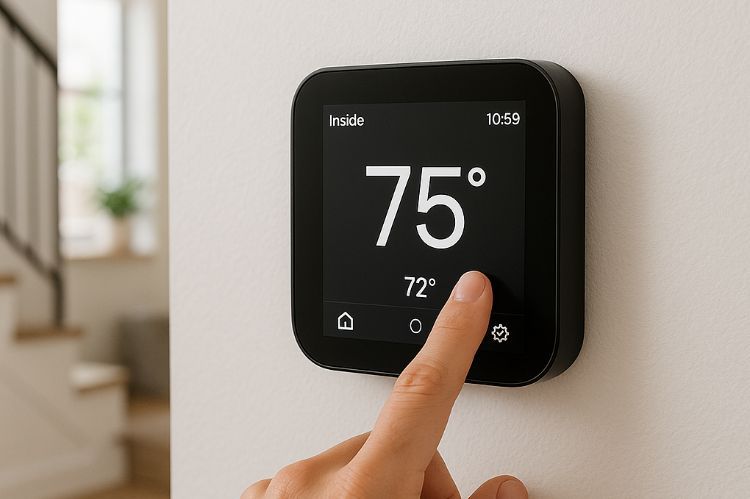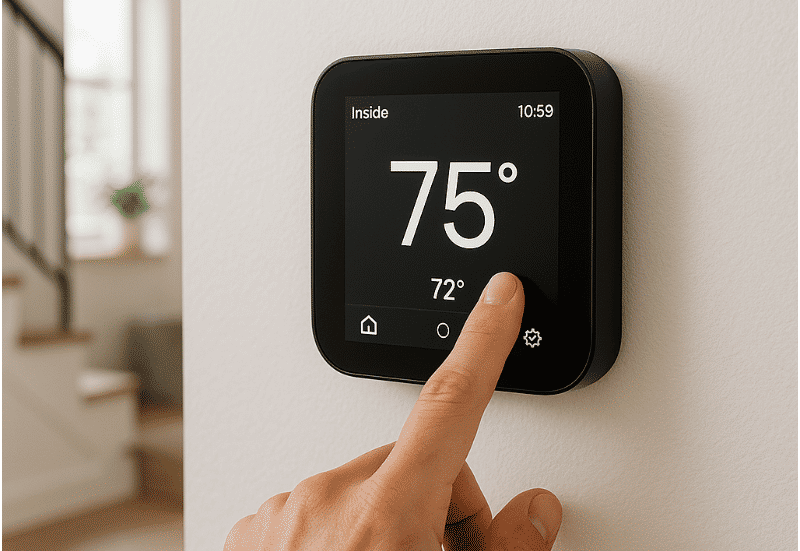
Elevate Comfort Using a Smart Thermostat
A smart thermostat is one of the simplest ways to elevate comfort at home while gaining more control over daily climate habits. Many people first explore this technology because it offers a clear blend of convenience and efficiency without requiring major changes to existing heating and cooling equipment. By learning your routines, responding to temperature shifts, and making subtle adjustments automatically, a smart thermostat becomes a dependable tool for creating a balanced indoor environment. Whether your goal is steadier comfort, better energy awareness, or more intuitive climate control, this device can help shape a home that responds smoothly to your needs.
One of the strongest advantages of a smart thermostat is its ability to maintain consistent indoor temperatures. Instead of sudden swings caused by manual adjustments, it uses sensors, scheduling features, and gradual transitions to keep your space stable. Even small variations in room conditions can influence how comfortable you feel, and automated climate management helps minimize these fluctuations. As the device learns your habits over time, it becomes more precise, creating conditions that feel naturally aligned with your daily routine.
Scheduling plays an important role in comfort as well. A smart thermostat allows you to build routines that reflect how you actually live, rather than relying on rigid presets. You can create distinct settings for mornings, evenings, or overnight hours, giving your home a steady rhythm that requires minimal attention. People with irregular work schedules or hybrid lifestyles often benefit most from this flexibility because it removes the need to constantly adjust temperatures by hand. This way, your home feels comfortable the moment you need it, without wasteful climate cycles when nobody is around.
The device’s ability to recognize occupancy patterns also supports better comfort. Motion detection and presence awareness help a smart thermostat make small, helpful decisions throughout the day. For example, if the house is empty, temperatures can drift slightly to reduce unnecessary heating or cooling. Once someone returns, the system gradually resets the space to a comfortable level. This approach avoids the discomfort of walking into an overly warm or chilly room and creates a smoother transition as your home becomes active again.
Another benefit comes from increased visibility into how your home behaves. Many smart thermostats track trends such as runtime, temperature consistency, and overall climate stability. These insights reveal patterns you may not notice on your own, like rooms that heat up too quickly, areas with persistent drafts, or seasons when your system works harder than usual. Understanding these details helps you make simple improvements, such as adjusting ventilation, refining schedules, or shifting temperature preferences during particularly hot or cold periods.
Remote access adds another layer of convenience that directly contributes to comfort. Being able to change settings from anywhere means you can respond quickly to sudden schedule changes or unexpected weather. If you leave home and forget to adjust your system, you can correct it easily. If you are returning earlier than planned, you can warm or cool your home before you arrive. This flexibility prevents wasted energy and helps maintain a comfortable environment without requiring constant in-person interaction.
A smart thermostat also supports long-term comfort by encouraging better energy habits. Reviewing seasonal trends and system behavior shows how small adjustments can make your home feel more balanced. For example, raising or lowering your target temperature by a small amount during long absences often creates a noticeable improvement in both comfort and efficiency. Instead of relying on guesswork, you can make informed decisions based on how your system actually performs throughout the year.
In some cases, the data collected by a smart thermostat can highlight potential system issues. Longer heating or cooling cycles, slow responses, or changes in typical patterns may indicate developing inefficiencies. While the thermostat itself cannot diagnose mechanical problems, these early signals can prompt timely maintenance. Addressing minor issues before they grow can help keep your equipment running smoothly and preserve consistent comfort throughout the home.
Many people appreciate the advantages of geofencing features, which automatically adjust temperatures as household members come and go. This capability removes pressure to predict arrival times or modify settings manually throughout the day. Instead, your home naturally shifts into an energy-saving mode when it is empty and returns to comfortable conditions as someone approaches. This hands-off approach enhances comfort because the transition happens gradually and predictably, avoiding the discomfort of sudden extremes.
For larger homes or spaces with distinct climate zones, a smart thermostat can simplify temperature control across different areas. Some zones naturally warm up faster due to sunlight exposure, while others may stay cooler or feel drafty. Coordinated control helps prevent rooms from competing for heating or cooling, reducing uneven temperatures that can make a home feel inconsistent. Creating harmony between zones contributes to smoother comfort throughout the entire space.
Another subtle but valuable benefit is safety monitoring through temperature alerts. If your home becomes unexpectedly hot or cold, a smart thermostat can notify you so you can act quickly. This is especially useful if you travel regularly or maintain a secondary residence. Timely alerts help protect pets, plants, or belongings that depend on stable indoor conditions, offering extra peace of mind when you are away.
Before installing a smart thermostat, it is helpful to confirm system compatibility and power requirements. Most modern setups integrate smoothly, though older homes sometimes need a small wiring adjustment. Once installed, exploring the device’s features is worthwhile. Adjusting comfort ranges, refining schedules, and enabling adaptive learning allow the thermostat to adjust more precisely to your preferences. Experimentation during the first few weeks helps the system learn your patterns and eventually reduces how often you need to make manual changes.
Many households enhance their smart thermostat experience by pairing it with additional sensors or connected home tools. These accessories provide richer climate data across multiple rooms, making temperature adjustments more accurate. Hands-free options such as voice control also make it easier to modify settings in the moment, especially during daily routines when convenience matters most. When integrated well, these tools create an environment where climate control feels seamless and intuitive.
As the system continues to adapt, most people notice improvements in comfort that feel effortless. Gradual adjustments prevent abrupt swings, and consistent patterns help your home stay stable throughout the day. Over time, the thermostat’s intelligence becomes more refined, creating a climate experience that feels natural rather than mechanical. This steady comfort makes your space more welcoming and reduces stress on your equipment by avoiding unnecessary extremes.
Ultimately, using a smart thermostat is a practical and effective way to elevate comfort in your home. Its blend of automation, insight, and flexibility makes everyday climate management easier and more responsive. Whether your goal is to maintain steadier temperatures, adopt more efficient habits, or enjoy the convenience of remote access, a smart thermostat offers a meaningful step toward a more comfortable living environment. By exploring its features and letting it learn your preferences, you’ll find that comfort becomes something your home quietly supports in the background, allowing you to enjoy your space with less effort and more ease.