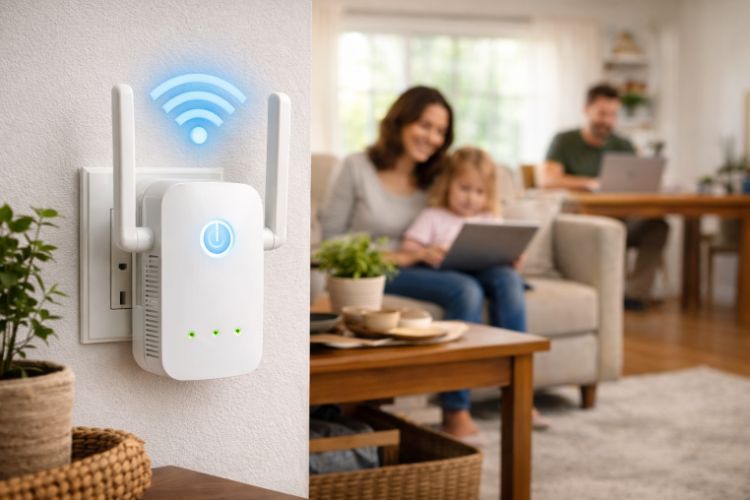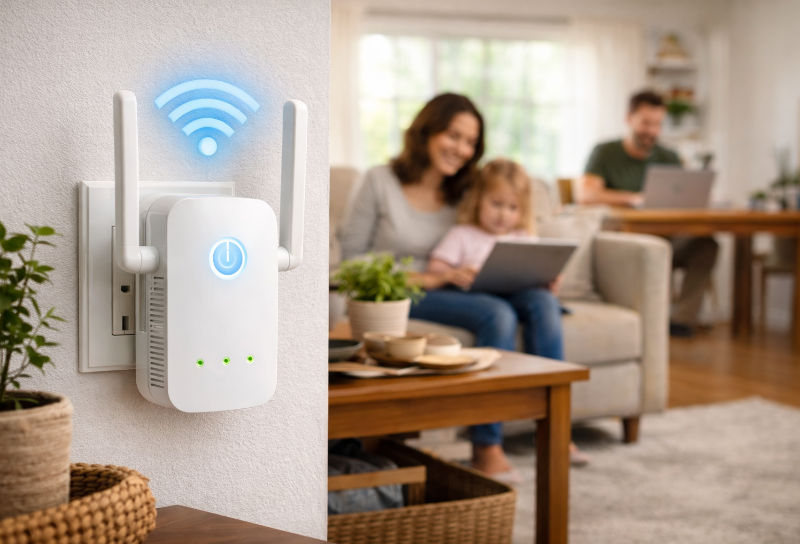
End Dead Zones With Wi-Fi Extenders
A Wi-Fi extender can transform a frustrating internet experience into a smooth and reliable one. If you have ever struggled with slow connections, dropped video calls, or buffering in certain rooms, you have likely encountered Wi-Fi dead zones. These weak signal areas are common in homes and offices of all sizes, and they often appear far from the main router or behind thick walls. Understanding how Wi-Fi extenders work and how they improve coverage can help you reclaim consistent internet access throughout your space.
Wi-Fi dead zones occur when wireless signals lose strength before reaching every corner of a building. Physical obstacles such as walls, floors, and furniture can block or weaken signals, while distance from the router further reduces performance. Interference from other devices can also contribute to uneven coverage. A Wi-Fi extender addresses these challenges by capturing the existing wireless signal and rebroadcasting it, effectively expanding the reach of your network.
The main purpose of a Wi-Fi extender is to improve coverage, not necessarily to replace your existing network. By extending the signal into previously unreachable areas, it helps ensure that bedrooms, home offices, basements, and outdoor-adjacent spaces stay connected. This expanded coverage can be especially valuable in multi-story homes or buildings with complex layouts where a single router struggles to provide consistent performance.
One of the most noticeable benefits of using a Wi-Fi extender is improved connection stability. When devices constantly struggle to maintain a weak signal, they may disconnect or experience dramatic speed drops. Extending the signal strength reduces these issues, allowing devices to maintain stronger connections. This stability is essential for activities such as video streaming, online meetings, and cloud-based work that rely on uninterrupted data flow.
Speed perception often improves when dead zones are eliminated. While a Wi-Fi extender does not increase the speed provided by your internet service, it can help devices access more of the available bandwidth. When a signal is stronger and more consistent, data can move more efficiently, resulting in faster page loads, smoother playback, and more responsive online experiences in areas that were previously slow.
Placement plays a critical role in how effective a Wi-Fi extender will be. For optimal performance, the extender should be positioned between the router and the dead zone, close enough to receive a strong signal but far enough to extend coverage where it is needed. Proper placement ensures the extender is not amplifying a weak or unstable signal, which could limit its effectiveness.
Wi-Fi extenders are designed to be accessible and user-friendly for most households. Many models feature simple setup processes that involve minimal configuration. Once installed, the extender operates quietly in the background, continuously supporting devices as they move through different areas of the home. This ease of use makes Wi-Fi extenders an appealing solution for people who want better coverage without complex networking adjustments.
Modern homes often contain multiple connected devices, from smartphones and laptops to smart home accessories and entertainment systems. Each device competes for signal strength, and dead zones become more noticeable as usage increases. A Wi-Fi extender helps distribute connectivity more evenly, reducing congestion in areas that previously relied on weak signals and allowing multiple devices to function smoothly at the same time.
Another advantage of Wi-Fi extenders is their flexibility. They can be added to existing networks without replacing current equipment, making them a practical upgrade option. As connectivity needs grow or living arrangements change, an extender can be repositioned or supplemented with additional units to maintain strong coverage. This adaptability makes Wi-Fi extenders suitable for both short-term fixes and long-term network improvements.
Security considerations are also important when extending a wireless network. A properly configured Wi-Fi extender integrates with your existing network security settings, helping ensure that extended coverage does not create vulnerabilities. Maintaining strong passwords and up-to-date security protocols supports safe and reliable internet access throughout the expanded network.
Wi-Fi extenders can also enhance productivity in remote work environments. A reliable connection in a home office reduces interruptions during video conferences and supports efficient file transfers. By eliminating dead zones, extenders help create a more professional and dependable workspace, regardless of where the office is located within the home.
Entertainment experiences often benefit significantly from improved Wi-Fi coverage. Streaming high-definition content, participating in online gaming, or using connected media devices requires consistent bandwidth. A Wi-Fi extender helps maintain stable connections in living rooms, bedrooms, or recreational areas where signal strength may otherwise fluctuate.
It is important to recognize that Wi-Fi extenders are most effective when used thoughtfully. They work best as part of a balanced network setup that considers router placement, building layout, and device usage patterns. Small adjustments, such as repositioning the router or reducing interference, can further enhance the benefits of an extender.
As internet usage continues to grow, reliable connectivity throughout the home becomes less of a luxury and more of a necessity. From communication and work to entertainment and everyday tasks, consistent Wi-Fi coverage supports modern lifestyles. A Wi-Fi extender offers a practical solution for addressing coverage gaps without major changes to existing infrastructure.
Ending dead zones with Wi-Fi extenders is about more than just stronger signals; it is about creating a seamless online experience in every room. By understanding how extenders function and how to use them effectively, you can enjoy reliable connectivity where it matters most. With improved coverage, fewer interruptions, and greater flexibility, a Wi-Fi extender can play a key role in optimizing your home network.