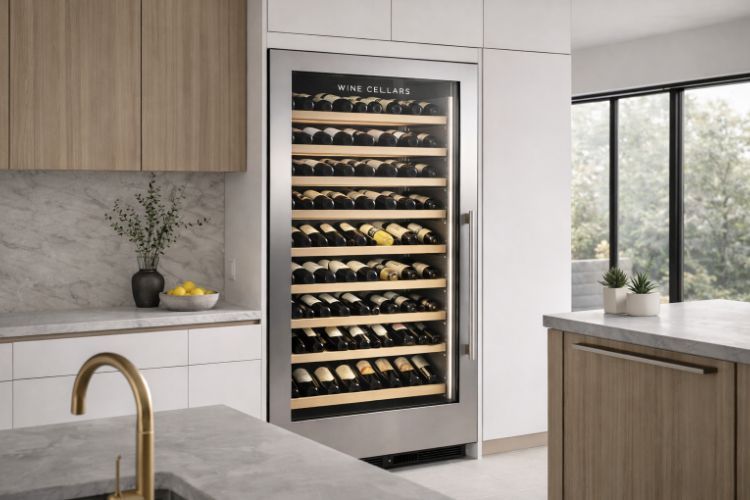
How to Choose a Wine Refrigerator
Posted on Monday, February 16, 2026
To keep this site free for consumers, we receive compensation for customer referrals.
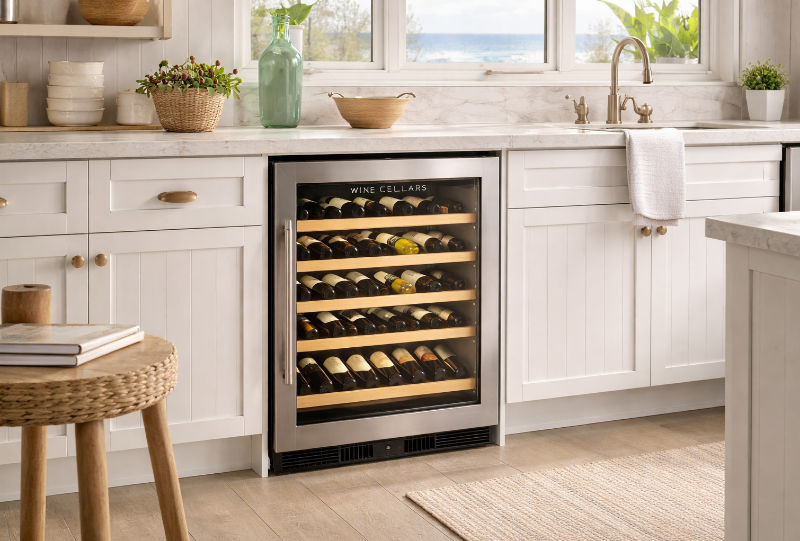
Wine Cellar Refrigerators: How to Choose the Right One for Your Collection
A wine cellar refrigerator is not just another kitchen appliance. It represents a decision about how you store, protect, and experience wine over time. Whether you purchase bottles for short-term enjoyment or gradual aging, the environment you create directly influences flavor development, aroma stability, and overall quality.
The challenge is that not all wine storage solutions serve the same purpose. Capacity, temperature zones, humidity control, and placement all shape how effectively a wine cellar refrigerator supports your habits. Choosing carefully begins with understanding what you actually need from the appliance.
Wine is sensitive to temperature fluctuations, light exposure, and inconsistent humidity. Standard kitchen refrigerators are designed for food preservation, not long-term wine storage. Over time, improper conditions can affect cork integrity and alter the wine’s intended characteristics.
A dedicated wine cellar refrigerator creates a controlled environment tailored to these sensitivities. The right configuration supports both preservation and accessibility, allowing bottles to be stored in a way that aligns with how and when you plan to enjoy them.
How to Choose the Right Wine Cellar Refrigerator for Your Needs
Start with capacity. Consider not only how many bottles you currently own, but whether your collection is likely to grow. Buying too small may require replacement sooner than expected, while significantly oversizing may consume unnecessary space.
Next, evaluate single-zone versus dual-zone cooling. A single-zone unit maintains one consistent temperature, suitable if you primarily store one type of wine or plan to age bottles long-term. Dual-zone models allow separate temperature settings, which can accommodate different styles that benefit from distinct serving or storage ranges.
Placement is equally important. Some wine cellar refrigerators are designed for built-in installation under counters, while others are freestanding. Built-in units require proper ventilation clearance and specific dimensions, so measuring carefully before purchase prevents complications.
Noise level may also influence placement decisions. If the unit will be installed in a living area or open-concept space, compressor sound and vibration may become noticeable. Evaluating manufacturer specifications helps align expectations with your environment.
Finally, think about access and organization. Adjustable shelving, bottle orientation, and interior lighting affect how easily you can locate and retrieve bottles. A configuration that matches your collection style reduces disruption when opening the unit.
Key Features to Look For
- Temperature Control Precision: Consistent temperature regulation helps minimize fluctuations that can affect wine stability over time.
- Single vs. Dual Cooling Zones: Dual zones allow separate temperature settings for different wine types, while single zones offer uniform storage conditions.
- Humidity Management: Proper humidity levels help preserve cork integrity and reduce the risk of drying or shrinkage.
- UV-Protected Glass Doors: Glass panels designed to filter ultraviolet light help reduce exposure that may affect wine quality.
- Vibration Reduction: Systems designed to limit internal vibration help prevent unnecessary disturbance of sediment in aging bottles.
- Adjustable Shelving: Flexible shelving accommodates various bottle shapes and sizes, improving organization and storage efficiency.
- Ventilation Design: Front-venting systems support built-in installation, while rear-venting units typically require freestanding placement with adequate airflow space.
Common Mistakes to Avoid
One common mistake is underestimating future collection growth. Purchasing a unit that only fits your current inventory may limit flexibility if your storage needs expand.
Another oversight is placing a freestanding model into a built-in space without proper ventilation. Restricted airflow can affect cooling performance and long-term reliability.
Some buyers focus primarily on appearance without evaluating technical specifications such as temperature stability or shelving configuration. Visual design matters, but functional alignment determines long-term satisfaction.
Ignoring ambient room conditions can also create challenges. Wine cellar refrigerators operate within specific environmental ranges, and extreme heat or cold may affect efficiency.
Who Benefits Most From This Type of Product
Wine cellar refrigerators are well suited to individuals who maintain a consistent wine collection and want greater control over storage conditions. They support both short-term storage for convenience and longer-term aging strategies.
Home entertainers who prefer keeping bottles at accessible serving temperatures may also benefit from dedicated cooling zones. Those living in smaller spaces without a traditional wine cellar may find this appliance a practical alternative for controlled storage.
Strengths and Limitations
- Strengths: Provides temperature stability tailored to wine storage, supports organized bottle management, and reduces exposure to light and vibration compared to standard refrigeration.
- Limitations: Requires dedicated space, consumes energy continuously, and may have capacity constraints depending on model size.
Making an Informed Decision
Choosing a wine cellar refrigerator is less about aesthetics and more about alignment with your collection habits. Consider how many bottles you store, how long you plan to keep them, and whether you need multiple temperature zones. These practical considerations shape which configuration fits your space and usage patterns.
When capacity, placement, and cooling design align with your goals, a wine cellar refrigerator becomes an infrastructure decision rather than an impulse purchase. Understanding these factors allows you to evaluate options thoughtfully and select a unit that supports how you store and enjoy wine over time.

Related Blog Posts