
Choosing the Right Water Flosser
Posted on Thursday, March 19, 2026
To keep this site free for consumers, we receive compensation for customer referrals.
Choosing the Right Water Flosser
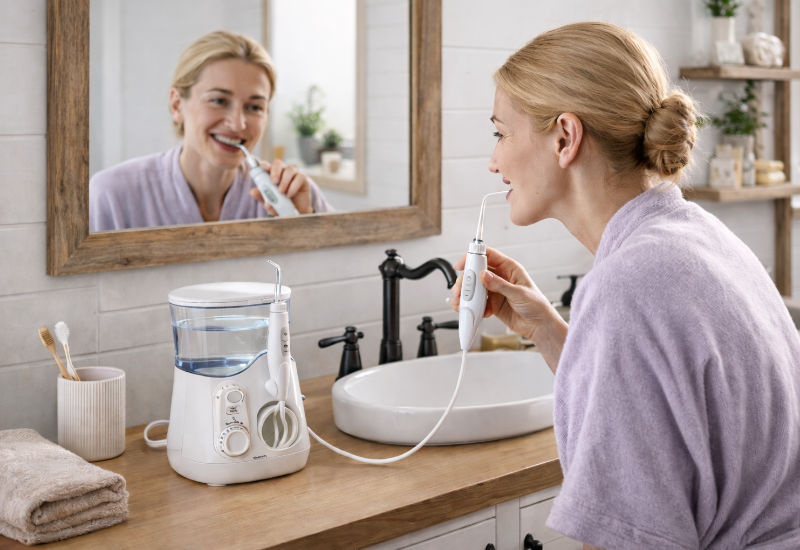
A water flosser is an oral care device that uses a controlled stream of water to clean between teeth and along the gumline. Instead of relying on traditional string floss, these devices direct pressurized pulses of water to help dislodge debris and rinse areas that can be difficult to reach with brushing alone. For many households, water flossers have become a complementary tool within a broader daily oral hygiene routine.
The category includes a wide range of designs, pressure systems, and form factors. Some devices are built for countertop use, while others are designed to be portable and compact. Understanding how these systems work and which features influence everyday usability can make the process of choosing a water flosser more straightforward.
What to Understand Before Choosing a Water Flosser
Water flossers operate by pumping water through a narrow nozzle that produces a focused stream. This stream is directed between teeth and around the gumline to help flush out particles and plaque that may accumulate in tight spaces. Many devices use pulsing technology that alternates pressure rapidly to create a massaging effect along the gums.
Because these devices rely on water pressure rather than physical contact, the cleaning experience can feel different from traditional flossing. Some users appreciate the ability to reach the back teeth more easily, while others focus on the rinsing effect created by the water stream. The overall experience often depends on pressure settings, nozzle design, and how the device fits into daily routines.
Common Water Flosser Designs
Water flossers are available in several structural formats, each designed to suit different spaces and usage habits.
Countertop Units
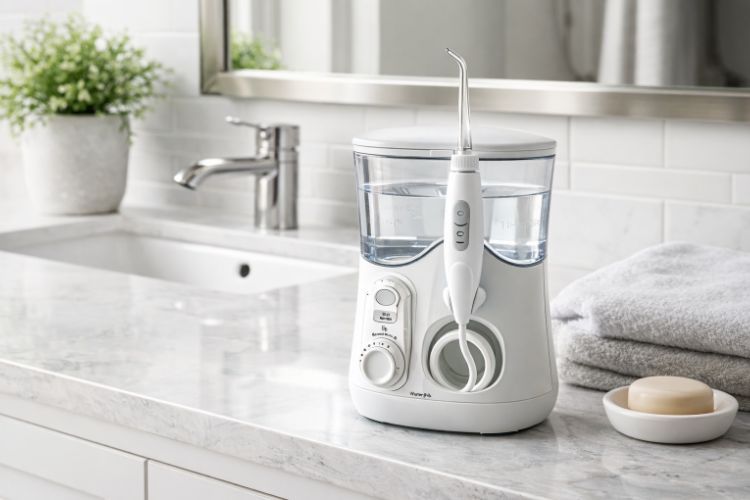
These devices typically include a base with a built-in water reservoir and a handheld nozzle connected by a hose. The larger reservoir allows for longer flossing sessions without refilling. Countertop models are commonly placed near a sink and used as part of a regular oral care routine.
Cordless Water Flossers
Cordless designs combine the reservoir, pump, and nozzle into a single handheld unit. Because they operate on rechargeable batteries, they are often easier to move between locations or store in smaller spaces. Their compact size can make them convenient for travel or shared bathrooms.
Shower-Connected Systems
Some water flossers connect directly to a shower line and use household water pressure rather than an internal pump. These designs eliminate the need for a reservoir but require installation and a compatible plumbing setup.
Integrated Oral Care Devices
Certain systems combine a water flosser with other oral care functions in a single unit. These designs aim to consolidate multiple steps of an oral hygiene routine within one device.
Features That Influence the Flossing Experience
Several technical features shape how a water flosser performs during daily use. Understanding these elements can help readers evaluate how different devices may feel and function in practice.
- Pressure Settings – Adjustable pressure levels allow users to control the intensity of the water stream.
- Reservoir Capacity – Larger reservoirs can support longer sessions before requiring a refill.
- Nozzle Design – Different tips may direct the water stream in slightly different ways depending on their shape.
- Pulse Technology – Pulsing streams alternate pressure rapidly, which can influence how the water interacts with the gumline.
- Battery Operation – Cordless units rely on rechargeable batteries that determine how often the device needs charging.
- Control Interface – Pressure controls and mode settings may be adjusted through buttons, dials, or simple preset programs.
- Water Flow Direction – The angle and flexibility of the nozzle affect how easily the stream can reach different areas of the mouth.
- Storage Design – Some systems include built-in storage for multiple tips or attachments.
These design elements often shape how comfortable and convenient the device feels during routine use.
Practical Considerations for Daily Use
Choosing a water flosser often involves thinking about where the device will be used and how it fits into existing habits. Countertop models may offer larger reservoirs and stable placement near a sink, while cordless units may appeal to users who prefer a compact option that can be stored easily between uses.
Noise levels can also vary depending on the motor and pumping mechanism. Some devices produce a noticeable hum during operation, which may influence when and where they are used.
Refilling the water reservoir is another factor to consider. Devices with smaller tanks may require multiple refills during a session, while larger reservoirs may support a continuous cleaning routine without interruption.
Trade-Offs and Design Limitations
While water flossers can help rinse areas between teeth, they function differently from string floss. The mechanical action of traditional floss involves sliding material directly against tooth surfaces, whereas water flossers rely on pressurized water movement to flush debris away.
As a result, the experience may vary depending on user technique and positioning. Directing the stream at the correct angle and moving slowly along the gumline often influences how effectively the device reaches tight spaces.
Additionally, reservoir size, battery life, and nozzle positioning can affect overall convenience. Some users prefer the stability of larger countertop units, while others prioritize portability even if it means a smaller water capacity.
Evaluating Options With a Clear Perspective
How someone plans to use a water flosser often shapes which type makes the most sense. Countertop units tend to stay in one place and are commonly used in bathrooms where there is available sink space. In smaller bathrooms or shared living spaces, cordless models may be easier to store in a drawer or cabinet between uses.
Preferences can also vary when it comes to controls and pressure settings. Some people look for simple operation with minimal setup, while others prefer adjustable pressure so they can change the intensity of the water stream. How often the device will be used and how much control the user wants during each session can influence which design feels more practical.
Water flossers come in a range of sizes, pressure systems, and reservoir designs. Looking at how these elements affect daily use can make it easier to narrow down the options. Things like available counter space, preferred pressure levels, and reservoir capacity can all play a role in how convenient a device feels over time.
Check out our site for more resources that break down product categories and what to look for when evaluating them.

Related Blog Posts


.png)