Choosing the Right Dutch Oven
Posted on Friday, March 20, 2026
To keep this site free for consumers, we receive compensation for customer referrals.
Choosing the Right Dutch Oven
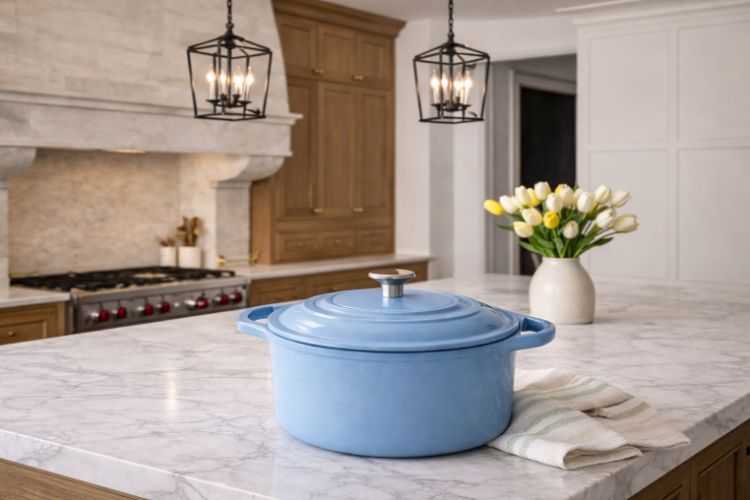
A Dutch oven is a heavy, thick-walled cooking pot designed for slow, even heat distribution. Often associated with braising, stewing, baking, and simmering, Dutch ovens have become a versatile staple in many kitchens. Their ability to retain and distribute heat allows them to support a wide range of cooking techniques that benefit from steady temperatures.
Understanding how Dutch ovens work—and how their design influences cooking performance—can make evaluating options more straightforward. Materials, size, weight, and construction details all affect how a Dutch oven performs during everyday use. Taking time to understand these factors helps clarify which configuration aligns with your cooking habits.
The Role of a Dutch Oven in Everyday Cooking
Dutch ovens are designed to create a stable cooking environment. Thick walls store heat while the tight-fitting lid traps moisture, allowing ingredients to cook gradually without rapid temperature fluctuations. This makes them well suited for dishes that benefit from long, steady cooking.
Many home cooks rely on Dutch ovens for soups, stews, and braised dishes, but their functionality extends beyond these uses. They can also support bread baking, roasting vegetables, simmering sauces, and even shallow frying. Because they often transition between stovetop and oven, their versatility depends heavily on durable construction and balanced weight.
How Dutch Ovens Work
The defining characteristic of a Dutch oven is its thick construction. Dense materials absorb heat slowly and release it gradually, helping maintain consistent temperatures throughout the cooking process. This slow heat transfer reduces hot spots and supports even cooking across the entire pot.
The lid plays an equally important role. By sealing in steam and condensation, the lid returns moisture to the food as it cooks. This helps tenderize ingredients during long cooking sessions and supports the development of layered flavors.
Because of these characteristics, Dutch ovens are commonly used for techniques such as braising, which combines searing with extended low-temperature cooking. The pot’s structure supports both phases without requiring additional cookware.
Common Types of Dutch Ovens
Although Dutch ovens share core design characteristics, several variations exist. These differences can influence durability, maintenance requirements, and cooking style compatibility.
Enamel-coated models feature a protective coating applied over the base material. This surface resists rust and eliminates the need for seasoning, which can simplify maintenance for some households.
Traditional seasoned models rely on a natural seasoning layer created through oil and heat. This surface can develop a naturally nonstick quality over time, though it typically requires ongoing care.
Outdoor-style Dutch ovens often include a flat lid designed to hold hot coals. These models are frequently used in outdoor cooking environments where heat comes from above and below.
Each configuration reflects different cooking traditions and maintenance preferences. Understanding these distinctions can help narrow the field when evaluating options.
Key Features to Evaluate
When comparing Dutch ovens, several structural features influence how the pot performs in everyday cooking. Paying attention to these characteristics helps clarify which designs may fit a particular kitchen setup.
- Material composition
The base material affects heat retention and durability. Heavier materials generally store heat more effectively, while lighter alternatives may heat more quickly but retain less thermal stability. - Wall thickness
Thicker walls typically contribute to more even heat distribution. This can be particularly useful for slow-cooked recipes where consistent temperatures support gradual flavor development. - Lid design
A tight-fitting lid helps trap moisture inside the pot. Some lids include interior textures that encourage condensation to drip back onto the food during cooking. - Capacity
Dutch ovens come in a range of sizes, from smaller pots suited to side dishes to larger vessels designed for batch cooking. Capacity should reflect the typical number of servings prepared in your kitchen. - Handle construction
Wide, sturdy handles can make lifting easier when the pot is full. Since Dutch ovens are often heavy, handle design can significantly affect everyday usability. - Interior surface
The interior finish influences how ingredients interact with the pot during cooking. Some surfaces promote easier cleanup, while others develop cooking properties gradually with continued use.
Practical Performance Considerations
Weight is one of the most noticeable aspects of using a Dutch oven. The same mass that allows the pot to retain heat can also make it challenging to move, particularly when filled with food. For many households, balancing durability with manageable weight becomes an important consideration.
Heat responsiveness is another factor. Because Dutch ovens store heat effectively, they may take longer to adjust when the burner temperature changes. This characteristic benefits slow cooking but may require patience when transitioning between cooking stages.
Cleaning requirements vary depending on the surface type. Some interiors tolerate gentle scrubbing and soap, while others benefit from simpler cleaning methods designed to preserve the cooking surface.
Where Dutch Ovens Make the Most Sense
Dutch ovens often appeal to cooks who prepare meals that involve simmering, braising, or baking. Dishes that cook over extended periods benefit from the pot’s ability to maintain consistent heat without frequent adjustments.
Households that prefer one versatile cooking vessel may also find Dutch ovens practical. The ability to move from stovetop searing to oven roasting reduces the need for multiple pans during certain recipes.
They can also support batch cooking. Larger capacities allow cooks to prepare multiple servings in a single pot, which can be helpful for meal preparation or gatherings.
Trade-Offs to Consider
While Dutch ovens offer versatility, they are not designed for every cooking scenario. Their heavy construction can make them less convenient for quick tasks such as rapidly sautéing small portions.
Storage may also require planning. Because Dutch ovens are thicker and heavier than many other pots, they occupy more cabinet space and may be less practical in kitchens with limited storage.
Temperature control can feel slower compared with thinner cookware. This characteristic supports gradual cooking techniques but may require more time when adjusting heat levels.
Evaluating Your Cooking Priorities
Choosing the right Dutch oven often comes down to identifying how it will be used most frequently. Capacity, weight, and interior surface all shape the cooking experience in subtle ways. Considering the types of meals prepared most often can help clarify which configuration fits naturally into your routine.
Some cooks prioritize durability and long-term versatility, while others focus on ease of maintenance or manageable weight. Understanding these priorities helps narrow down the wide range of designs available within the category.
Final Thoughts on Choosing a Dutch Oven
Dutch ovens remain a distinctive piece of cookware because they combine heat retention, durability, and versatility in a single pot. Their design supports a wide range of cooking methods, making them adaptable to many types of kitchens.
By understanding how materials, construction, and size influence performance, evaluating available options becomes easier. With a clear sense of how Dutch ovens function and where they excel, comparing features across models becomes a more informed process.
For more category insights and educational buying guides, visit our site to explore additional resources designed to help you better understand cookware and kitchen equipment before making decisions.

Related Blog Posts