





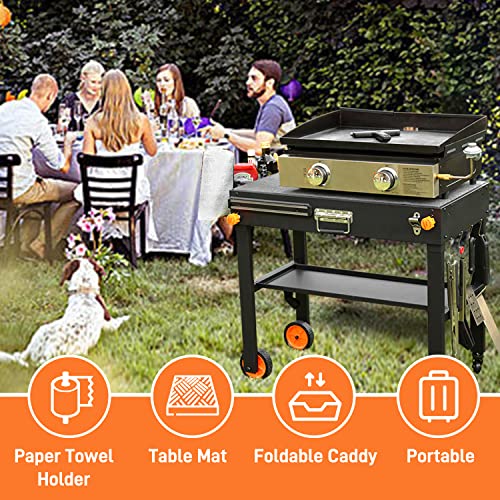


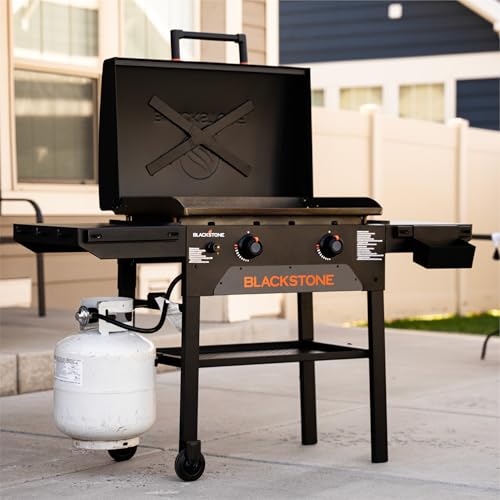


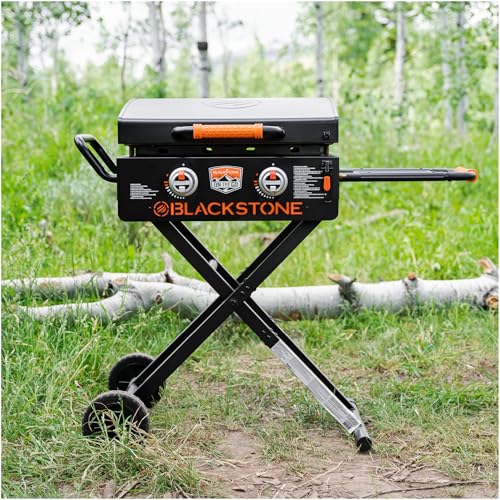
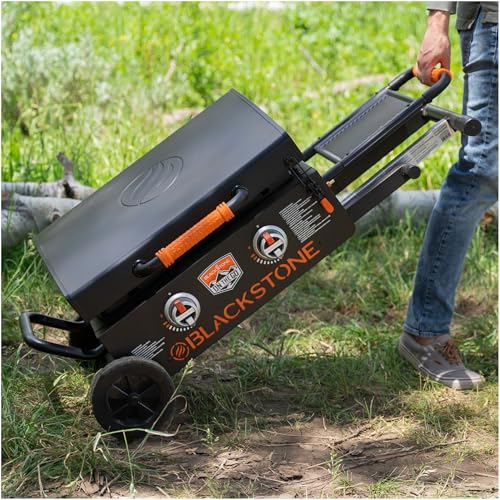


We also considered 10 others:


Our Top Choice
Compare Features


The order above is not editorial opinion, and it is not paid placement. It comes from what shoppers across our network actually do - which blackstone griddles they compare, and which they ultimately buy. We re-rank as new data comes in, so the long-term favorites have to keep earning their spot against new entrants. The full method, including how we make money.
Blackstone Griddles Buyer's Guide
A flat-top outdoor griddle is best when you want diner-style searing, smash burgers, breakfasts, tortillas, and chopped meals all on one surface—but it asks more from you than a conventional grill in seasoning, grease control, and heat-zone management. The biggest buying checks are whether the cooktop has enough burner control for your style of cooking, whether the grease system is easy to manage safely, and whether the size is realistic for where you will store, move, and use it.
Cooking
How well a grill cooks determines whether you can get strong sear marks, even browning, and reliable doneness without constant babysitting. Look for steady heat, enough power for high-temperature searing, good control at lower temperatures, and grates or heat distribution that minimize hot spots and flare-ups. A grill that struggles here may cook slowly, burn the outside before the inside is done, or make it hard to handle common tasks like burgers, vegetables, chicken, and steaks.
For this niche, prioritize a griddle surface and burner layout that match the foods you actually cook: breakfast spreads need enough uninterrupted flat space for eggs, pancakes, and bacon at once, while burgers, carne asada, fish, tortillas, wraps, and burritos benefit from a surface that can sear without sticking after seasoning. Look for simple, responsive controls, sturdy side shelves or tool storage if you cook outdoors often, and enough prep space to keep raw and cooked food separated. Owner feedback supports this: buyers consistently praise these griddles as everyday meal workhorses for breakfasts, burgers, omelets, chicken, fish, wraps, tortillas, and grilled meats, with many saying the format is easy to learn and can replace a traditional grill for many meals.
Ease
You want a grill that feels intuitive from startup to cleanup, because easier controls, clear temperature feedback, and straightforward fuel or ash management help you cook more confidently with fewer interruptions. Look for simple ignition, readable gauges or displays, accessible grates and grease trays, and clear cooking information; watch out for cramped layouts, confusing settings, or maintenance steps that make regular use feel like a chore.
Choose a model whose setup, seasoning, ignition, grease handling, and post-cook routine you will actually tolerate, because flat-top griddles reward frequent maintenance and punish neglect. For camping, balconies, or moving between homes, check for folding legs, wheels, a locking lid or cover, and whether the unit can be loaded safely without spilling grease; for home use, make sure the cooking area is large enough without making storage awkward. Owners generally find assembly, seasoning, cooking, and maintenance straightforward, and many like that cleanup often comes down to scraping and wiping after cooking; portable features such as wheels, folding legs, and locking covers are also praised for making transport easier.
Build
A grill’s build quality determines how well it holds up to heat, weather, movement, and repeated use outdoors. Look for sturdy construction, stable legs or cart design, durable grates and firebox materials, tight-fitting parts, and a finish that resists rust and peeling. Watch out for thin metal, wobbly frames, flimsy handles, or components that feel loose, since those can signal weaker long-term durability.
Inspect build details that matter specifically on a griddle: a thick, flat cooktop that resists warping, a frame that does not wobble while scraping, secure legs or casters, stable shelves, and a grease cup or rear drain that stays seated during use. If you plan to cook on a cart or table, stability is not optional—scraping, smashing burgers, and moving heavy food across the surface can shift a flimsy setup, so locking wheels and a secure stand are worth checking. Owner sentiment is broadly positive on durability and solidity, with buyers describing units as well made, reliable, accurate, easy to assemble, and capable of even everyday cooking after proper seasoning; stable accessory tables with lockable wheels and useful hooks or trays also receive favorable comments.
Cleaning
A grill that’s easy to clean saves you time after cooking and helps prevent flare-ups, stuck-on residue, and lingering odors from old grease. Look for grates that release food easily, removable grease trays or ash catchers, and accessible interior surfaces; watch out for designs with tight corners, awkward drip paths, or parts that are difficult to remove and scrub.
Buy with the cleaning path in mind: a griddle should have a grease-management system you can reach without burning yourself, a surface that can be scraped clean while warm, and enough access around the cooktop to wipe edges where oil collects. Avoid setups where grease can run toward controls, legs, or the floor, and remember that a seasoned outdoor cooktop is not cleaned like a nonstick indoor pan—you usually scrape, wipe, lightly oil, and protect it from moisture. Owner feedback reinforces that cleaning is one of the format’s strengths: many say it is faster than cleaning a traditional grill, often requiring just a scrape and wipe, and that routine care becomes easy once the surface is seasoned.
Heat
Heat affects how well your grill can sear, cook evenly, and hold steady temperatures for low-and-slow cooking. Look for strong temperature control, consistent heat distribution across the grate, and enough heating performance for the way you cook; watch out for grills with obvious hot spots, weak recovery after opening the lid, or controls that make small adjustments difficult.
Heat control is the dimension to scrutinize hardest: multiple independently controlled burners are better if you want hot searing zones plus cooler holding zones, while a single-burner or small tabletop design may force you to shuffle food around hot spots. Check whether the surface recovers heat after cold food is added, whether wind shielding is adequate for outdoor use, and whether the burner pattern matches your cooking style; uneven heat matters more on pancakes, eggs, and full-surface breakfasts than on a few burgers. Owner feedback is mixed here: many buyers report quick heating and strong results, but some note hot spots, variable distribution, inconsistent output, or limited zone control on simpler burner layouts.
Size
Choose a grill that fits both how you cook and where you’ll keep it: the overall footprint affects patio space, storage, and how easily you can move it. Look for enough cooking area for your usual group size, but watch out for oversized grills that are harder to maneuver, store, clean, and use efficiently.
Size should be chosen by meal pattern, not just maximum surface area: compact 17-inch-style griddles suit solo travel, RVs, camping, balconies, and small groups, while 22-inch-style units are a common middle ground for families who still need portability; larger backyard models make sense if you routinely cook full meals for a crowd and have permanent storage space. Also check propane setup, table or cart footprint, lid clearance, accessory storage, and whether you can lift or roll it safely once the cooktop is seasoned and oily. Owners tend to like the common size tiers for their intended uses: smaller units are praised for road trips and small groups, mid-size models for balancing family cooking with portability, and larger surfaces for backyard meals where cooking capacity matters most.
1,000,000+ shoppers use Buyer's Guide every week to find the best products and services online.

Helping millions of users make smarter purchases online.


